Freezing Leftovers & Cooked Meals
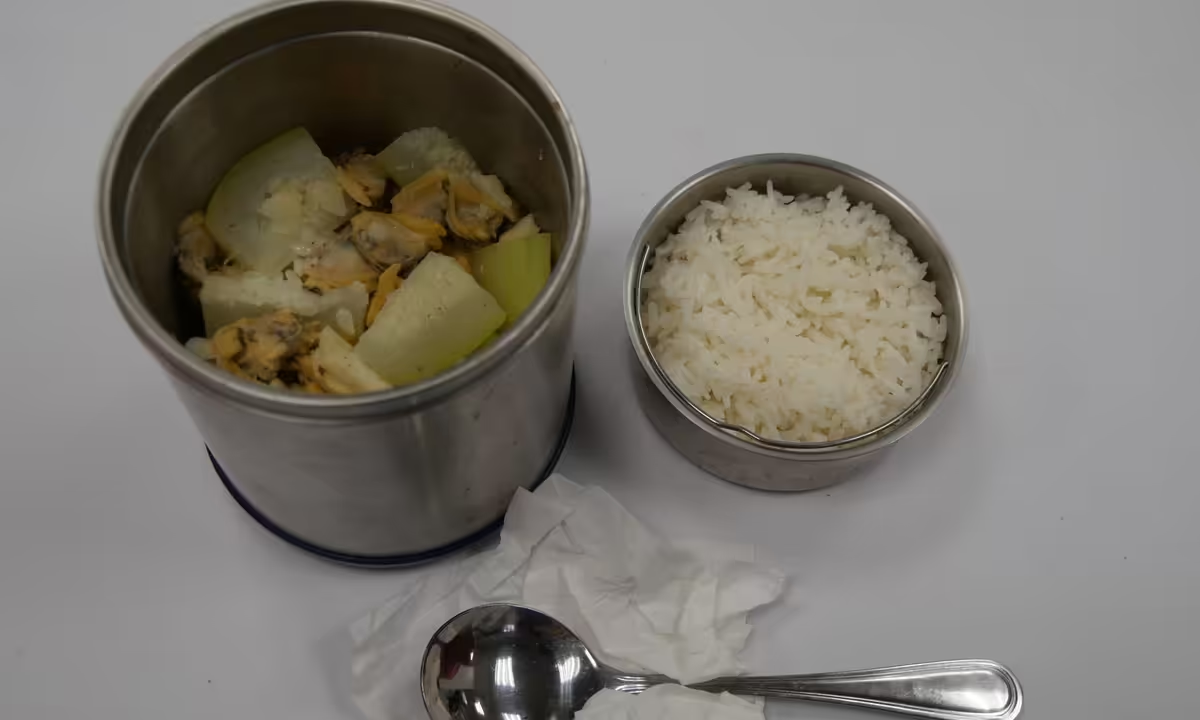
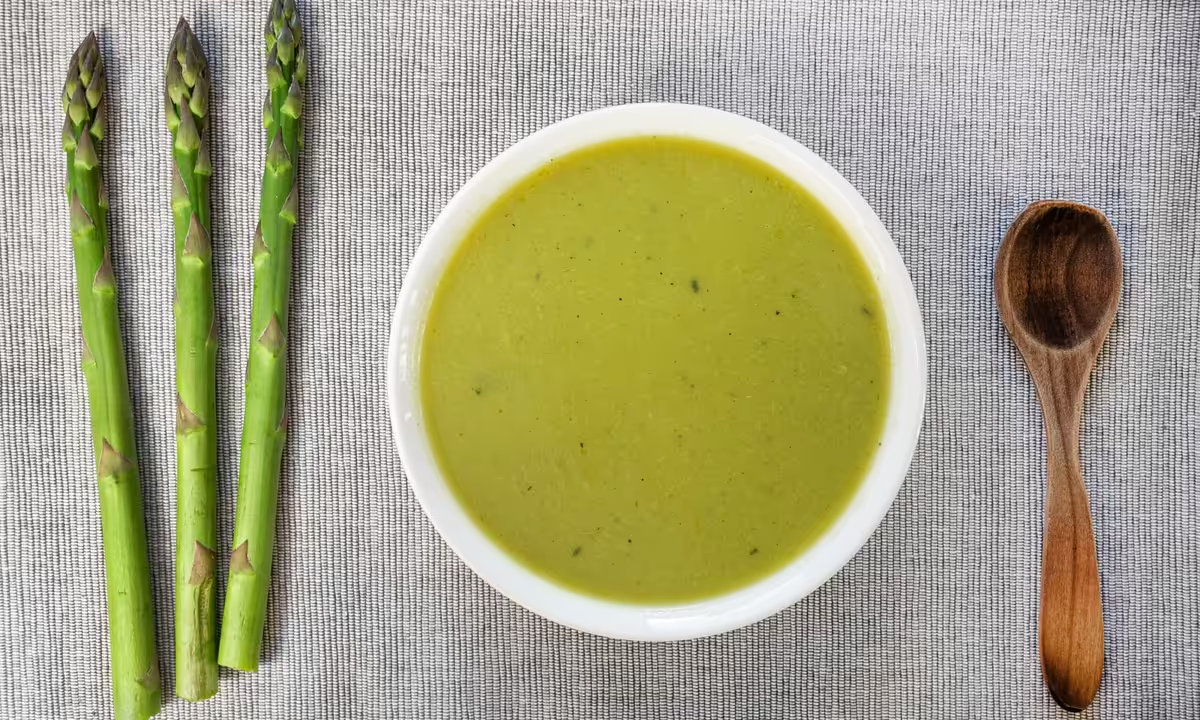
The freezer's highest calling: turning Sunday's roast and Wednesday's extra chili into future easy dinners. Cooked dishes freeze as well as — sometimes better than — their raw parts, because sauces and starches buffer texture changes. The timing rules do the heavy lifting: cool leftovers quickly (shallow containers, an ice bath if the pot is deep), get them into the freezer within three to four days — the same window the refrigerator allows — and reheat until steaming all the way through, not just warm at the edges. Freeze in meal-sized portions and you convert leftovers into a private convenience-food aisle; freeze a lasagna whole and it becomes next week's actual dinner. Sauces are the great protectors: a braised dish or a sauced pasta thaws closer to itself than its naked components would, which is why this group out-freezes most of the site. The cards run the width of home cooking: soups and broths (the best freezers in the building), stews and braises, chilis and curries, casseroles and bakes, sauced pastas and rice dishes, roasts and their slices, rotisserie and fried chicken (each with its revival method), pizzas, takeout classics, dumplings, and the assembled leftovers — casseroles of unknown origin included — with honest cards about what survives and what becomes soup. Safety rules repeat on every card because this group is where real-world mistakes happen: the two-hour room-temperature ceiling, the three-to-four-day fridge window before freezing, one refreeze only if it thawed cold, and the steaming-hot reheat. The 0 °F / -18 °C rule makes frozen leftovers safe indefinitely; the two-to-three-month windows on the cards are about the dinner you actually want to eat.