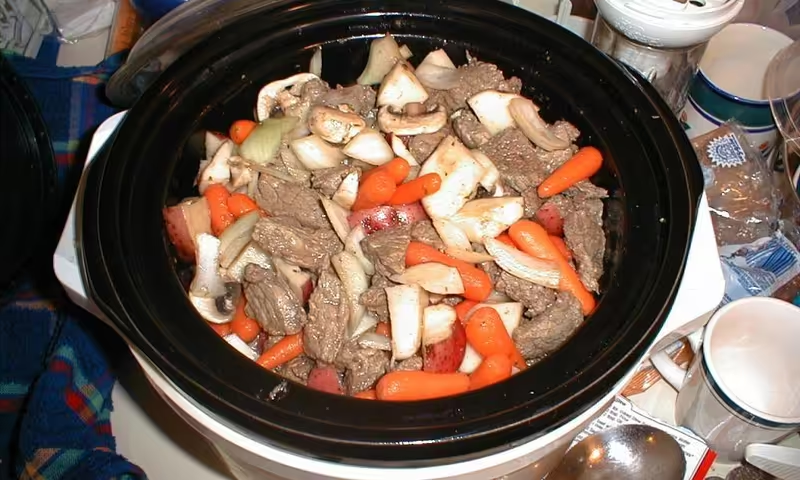
Can You Freeze Soup?
Soup is the reason the freezer and the stockpot became friends. A pot that started as a way to use up wilting vegetables becomes a month of lunches — ladled into single portions, it thaws into dinner faster than delivery arrives.
Also called: broth-based soup · vegetable soup · homemade soup · leftover soup
Yes — most soups freeze beautifully for 2–3 months; the broth is fine, but add pasta, cream, and delicate garnishes fresh.
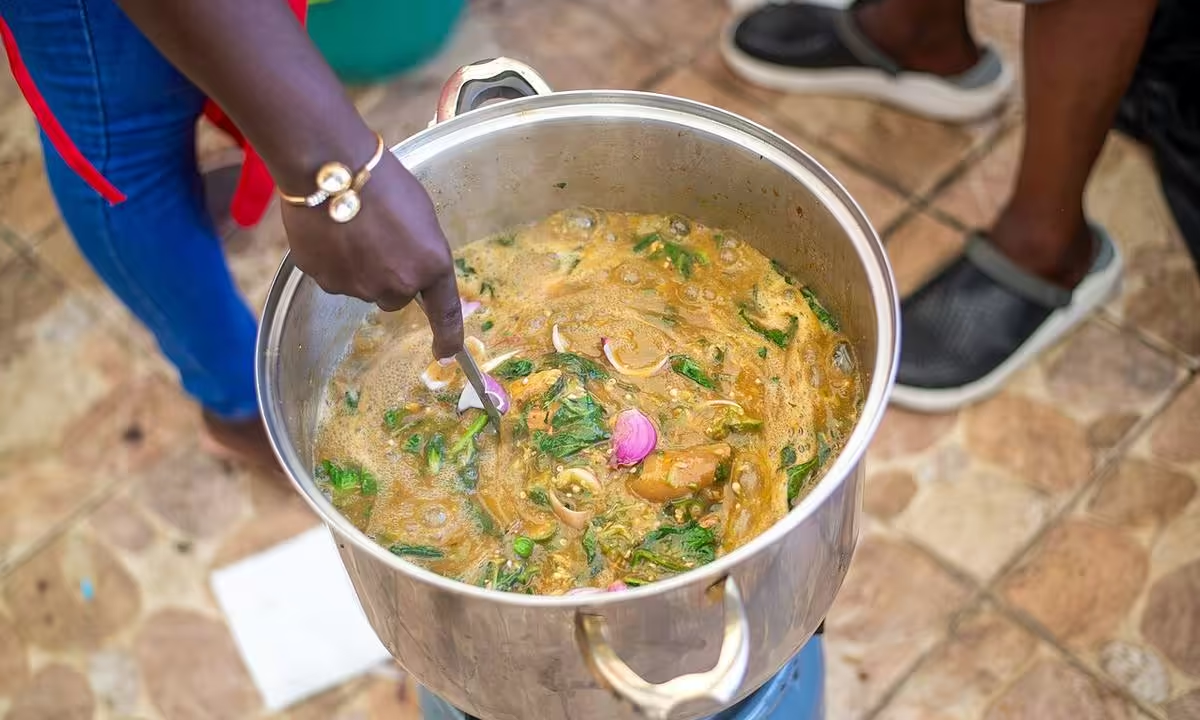
How to freeze soup at its best
Cool the pot quickly, then freeze in single- or two-serving portions — flat freezer bags or wide-mouth containers. Leave an inch of headroom, because broth expands as it solidifies.
Before it goes in
- Cool the soup fast: divide it into shallow containers or an ice bath within two hours of cooking.
- Pick out anything that freezes poorly — cooked pasta, dairy, and delicate herbs do better added at reheating.
- Portion into meal-sized servings so you thaw exactly what tonight needs.
- Leave an inch of headroom in each container; broth expands roughly 10% when frozen.
- Label every portion with the flavor and the date.
Containers & wrapping
Wide-mouth rigid containers for chunky soups, flat freezer bags for broth-heavy ones — slabs stack like books and thaw quicker. Never fill a mason jar to the shoulder; broth expands and glass cracks.
Freezer storage
2–3 months
Count from the day the soup was cooked, not the day it reached the freezer. Broth-based soups hold flavor longest; anything with dairy or potato ages fastest.
Keep the freezer at 0 °F / -18 °C and safety stops being a question for soup. What the calendar measures is quality: past its window it is safe, only a step further from fresh.
Thawing soup safely
Thaw overnight in the refrigerator, or drop the frozen block into a saucepan over low heat straight from the freezer. Reheat until steaming all the way through — 165 °F at the center if you want a number.
Can you thaw and refreeze soup at home?
Not once thawed and reheated — a second ride costs flavor and breaks the reheating-cycle rule. Portion well and the question never comes up.
Texture & flavor changes
Broth-based soups come back nearly identical. Cream soups can look slightly split or grainy — a whisk over gentle heat smooths them out. Potatoes turn mealy and pasta goes soft, which is why both freeze better on the side.
Best uses after thawing
Where thawed soup shines:
- Weeknight dinners
- Work lunches
- Sick-day bowls
- Bases for new soups
Which one are you freezing?
Broth soups freeze flawlessly. Cream soups need a gentle reheat and a whisk, or freeze the base uncreamed and add the dairy fresh at the end.
Freeze soup plain when you can. Noodles, rice, and pasta swell and go mushy in the freezer; cook a fresh handful into the thawed soup instead.
Caveats worth knowing
- Freeze soup while it is fresh — within three to four days of cooking — never as a rescue for a pot past its prime.
- Cream-based soups separate on thawing; hold some fresh cream back and whisk it in at the end of reheating.
- Soups thickened with flour or cornstarch can thin out; a quick simmer or a small slurry restores body.
Soup: questions about the freezer
Can you freeze soup after cooking?
Yes — cooked soup is the standard soup for freezing. Cool it quickly in shallow containers, portion it, and freeze within three to four days of cooking. It holds its best quality for two to three months, and you should reheat it until steaming hot all the way through before serving.
How long do leftovers last in the freezer?
Most cooked leftovers, soup included, hold their best quality for two to three months at 0 °F. They stay safe indefinitely while solidly frozen — the clock measures taste and texture, not safety — but freezer burn, muted spices, and softening vegetables all worsen the longer anything sits.
Why did my frozen soup look curdled or separated?
Cream-based soups commonly split after freezing as the dairy emulsion strains, and starch-thickened broths can thin or look grainy. Whisk over gentle heat to bring most of it back, or freeze the base uncreamed and stir fresh cream in during reheating for a flawless finish.
Related foods