Freezing Vegetables
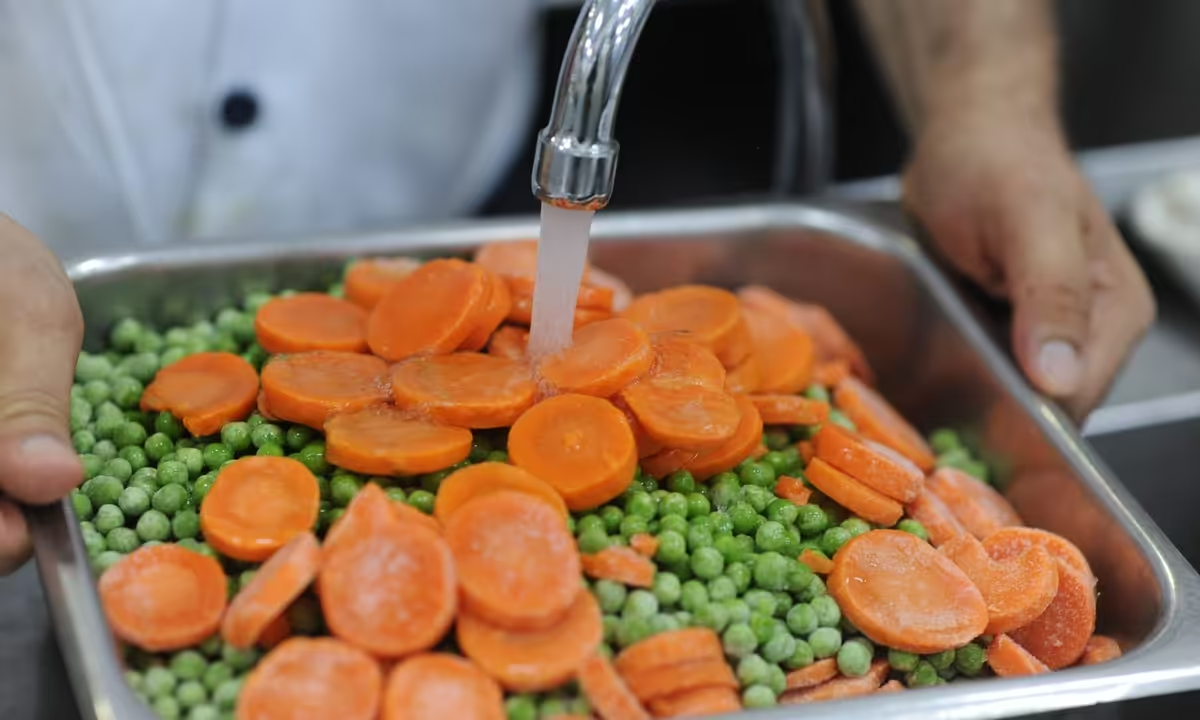
Nearly every vegetable can be frozen — the question is what comes back out. Most need a quick blanch first to stop enzymes that would otherwise turn them dull and off-flavored in weeks. High-water vegetables (lettuce, cucumber, raw tomato) never recover, but roast them first and they freeze beautifully. Blanching is the whole technique, and it is worth understanding rather than obeying: three minutes in boiling water (times vary by vegetable) ruptures the cell walls enough to set color and destroy the enzymes that would otherwise keep working — slowly — even at 0 °F. Shock in ice water to stop the carryover cooking, dry thoroughly, and freeze in flat bags. Skip the blanch and most vegetables survive the freeze but fade to cardboard flavor within weeks. The exceptions define the group: alliums (chives, scallions), tender herbs, and peppers freeze raw and cook fine from frozen; high-water vegetables (lettuce, cucumber, raw tomato) collapse into their own water and belong in sauces instead; starchy vegetables (potato, winter squash) change character and come back best mashed, hashed, or roasted. The cards follow the freezer-aisle logic you already know: corn, peas, and green beans that freeze near-perfectly; broccoli and cauliflower that need the full blanch; leafy greens that come back for cooked uses only; roasted and mashed preparations that freeze better than their raw forms; and the mushrooms that should never be frozen raw. Purees and stocks of vegetable trimmings close the loop — the freezer is the no-waste tool for produce. Safety is simple here — vegetables are low-risk — but quality honesty is not: the cards are blunt about which vegetables are worth freezing and which are not, because a freezer full of regrettable zucchini helps nobody. Windows run eight to twelve months for blanched vegetables at steady 0 °F / -18 °C, with flavor fading before texture does.