Can You Freeze Peppers?
A late-summer glut of peppers — jalapeños, serranos, long hots — is the freezer's kind of problem. No blanching, no cooking: wash, slice, bag, done. The crunch departs, but the heat and flavor ride intact into curries, chilies, and stir-fries for months.
Also called: chili peppers · jalapeños · chile peppers · hot peppers
Yes — peppers freeze raw with no blanching; they soften on thaw but keep their heat and flavor for cooking.
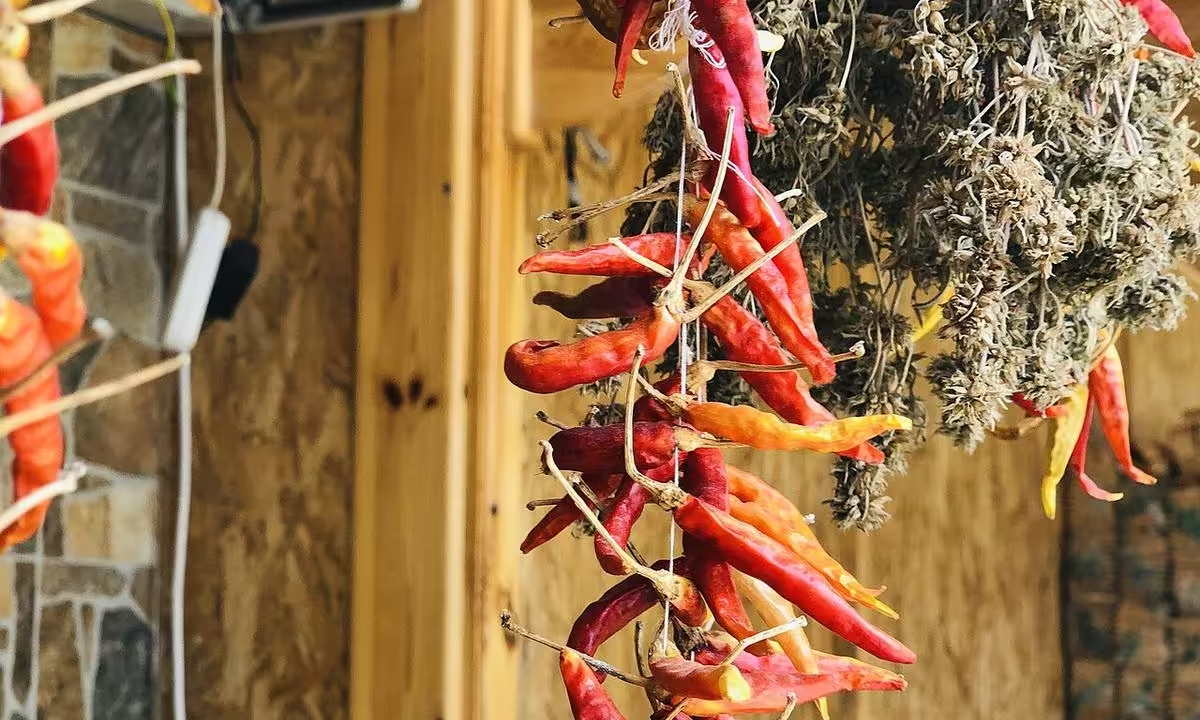
Freezing peppers the right way
Wash, core, and slice or dice raw peppers — no blanching — then freeze open on a tray before bagging so pieces stay separate. Grab handfuls straight from the freezer for any cooked dish.
Before it goes in
- Wash peppers and dry them well; remove the stems, seeds, and white membranes.
- Cut into the shape you cook with — rings, strips, or a quick dice.
- Spread in a single layer on a lined tray and freeze until firm.
- Transfer to freezer bags, press out the air, and label with the variety and date.
Containers & wrapping
Tray-freeze first, then flat freezer bags or rigid containers. For small hot peppers, a jar in the door works — they scatter like ice cubes.
Freezer storage
10–12 months
Freezing tames heat slightly at first, then flavor fades slowly. Color darkens a little over time but the peppers stay good for nearly a year.
Nothing spoils while peppers is genuinely frozen. Held at 0 °F / -18 °C it is safe indefinitely, and the date on the bag tracks flavor and texture rather than danger.
Thawing peppers: the method
Usually unnecessary — frozen pepper pieces go directly into hot pans, soups, and roasting trays. To thaw, refrigerate for a few hours; expect some softening and released juice.
Does refreezing peppers change it at home?
Acceptable if they stayed solidly frozen, but thawed peppers get progressively softer; portion well the first time.
Texture & flavor changes
Thawed peppers are floppy and slightly translucent, with cell walls collapsed by ice. The flavor stays true and the heat persists. Cooked into anything, they are indistinguishable from fresh; raw applications like crudités are off the table.
Best uses after thawing
Where thawed peppers shines:
- Stir-fries
- Chili and stews
- Fajitas
- Curries
- Pizza topping
Which one are you freezing?
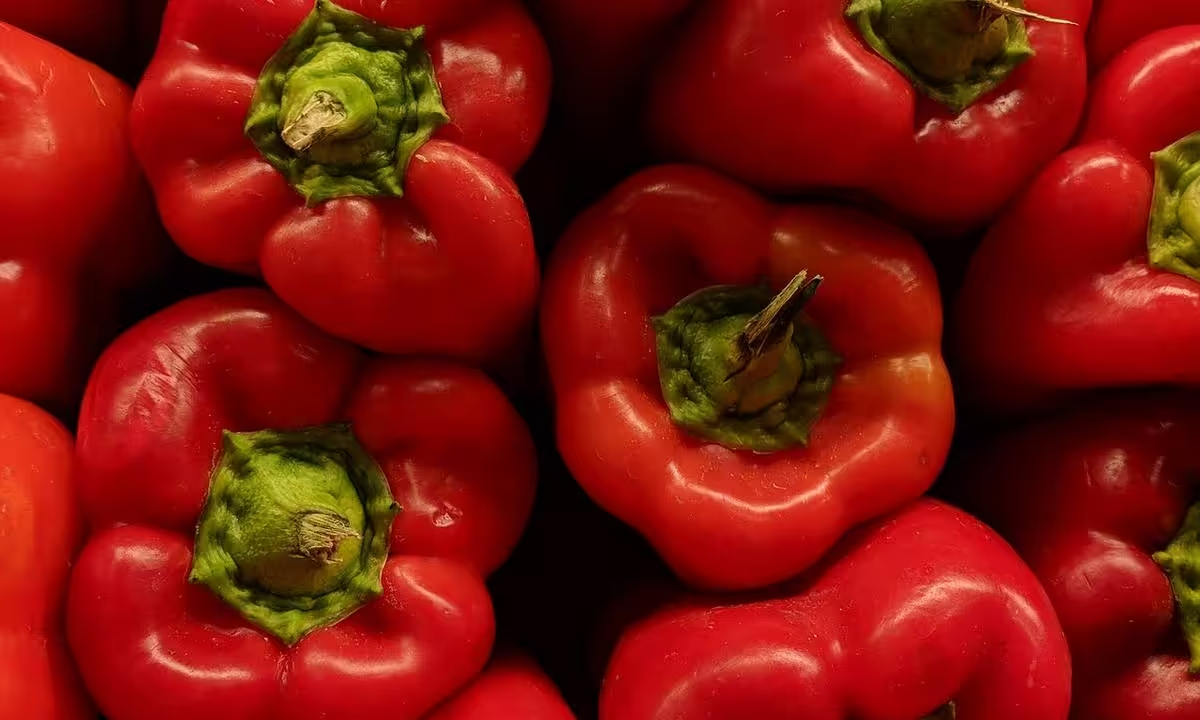
Both freeze the same raw way. Hot chiles keep their heat well frozen; sweet peppers keep their color and flavor. Roasted peppers of either type freeze softer but are wonderful folded into sauces and spreads.
Caveats worth knowing
- Frozen peppers will not crunch — keep them for cooking, not salads or vegetable platters.
- Wear gloves when chopping hot chile varieties; capsaicin transfers to everything, including the freezer bag you seal.
- Roasted or grilled peppers also freeze well but turn even softer — freeze them in strips for sauces and spreads.
Freezing peppers: answers to the usual questions
Can you freeze peppers without blanching?
Yes — peppers are among the few vegetables that freeze perfectly raw. Wash, slice, tray-freeze, and bag. Blanching adds water and softness for no benefit; frozen raw peppers cook straight from the freezer into any dish.
How long can you freeze peppers?
Ten to twelve months at good quality, and they stay safe while frozen solid. Flavor and color fade gradually, so bags from last summer's glut are still worth cooking with by spring.
Do frozen peppers get hot or lose heat?
Hot chiles keep most of their capsaicin punch through freezing, though the sharpness mellows a touch over long storage. Handle them with the same respect — wear gloves and avoid touching your face.
Related foods