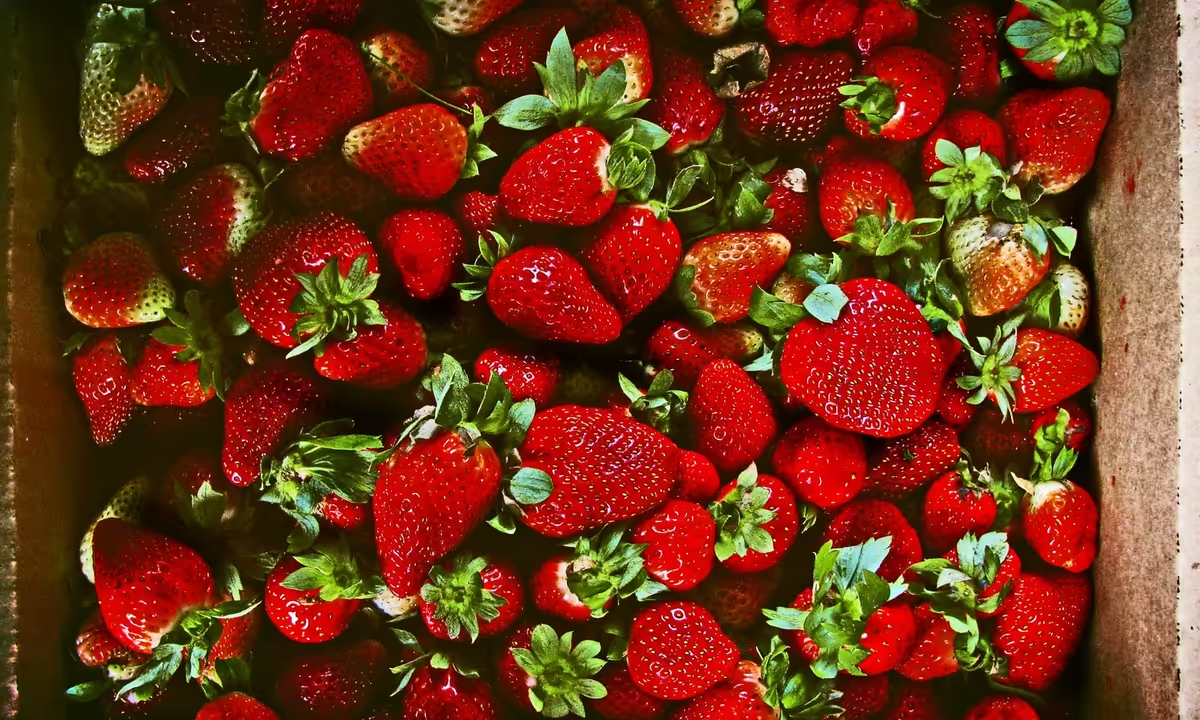
Freezing Fruit
Fruit is the friendliest freezer citizen of all — frozen berries, mango, and banana are pantry staples for a reason. Texture is the only real casualty: cell walls burst in the cold, so thawed fruit is softer and juicier than fresh. The single-layer tray freeze is the technique that makes the whole group work: spread dry fruit on a lined tray until rock solid, then bag. Skip it and you get one solid brick; do it and every berry pours loose a month later. Sugar changes the chemistry — packing fruit in syrup or tossing berries with sugar holds texture and color noticeably better for delicate fruits, which is why jam makers freeze with sugar and smoothie makers do not care. Citrus is its own chapter: juice and zest freeze beautifully, whole fruit does not, and segments turn limp but candy well. Stone fruit and tropicals (mango, pineapple) freeze into perfect smoothie and baking fruit; bananas ripen the freezer's bargain — freeze them brown and they are banana-bread-ready forever. The cards run the full produce aisle: every berry from acai to white currants, the stone fruits, the tropicals (including the exotics — lychee, mangosteen, pulsan, cempedak — where honest windows matter most), melons (freeze as cubes, never as wedges), apples and pears (slice first, lemon-water dip against browning), grapes (nature's frozen candy), and the avocados and tomatoes that thaw into guacamole and sauce, not slices. Safety is minimal — fruit is the low-stakes end of the site — but the quality honesty stays strict: thawed fruit is cooked-fruit texture, and every card says so. Windows run long at steady 0 °F / -18 °C — eight to twelve months for most berries — because sugar and acid are natural preservatives. The clock measures flavor and color, not safety.