Freezing Beverages
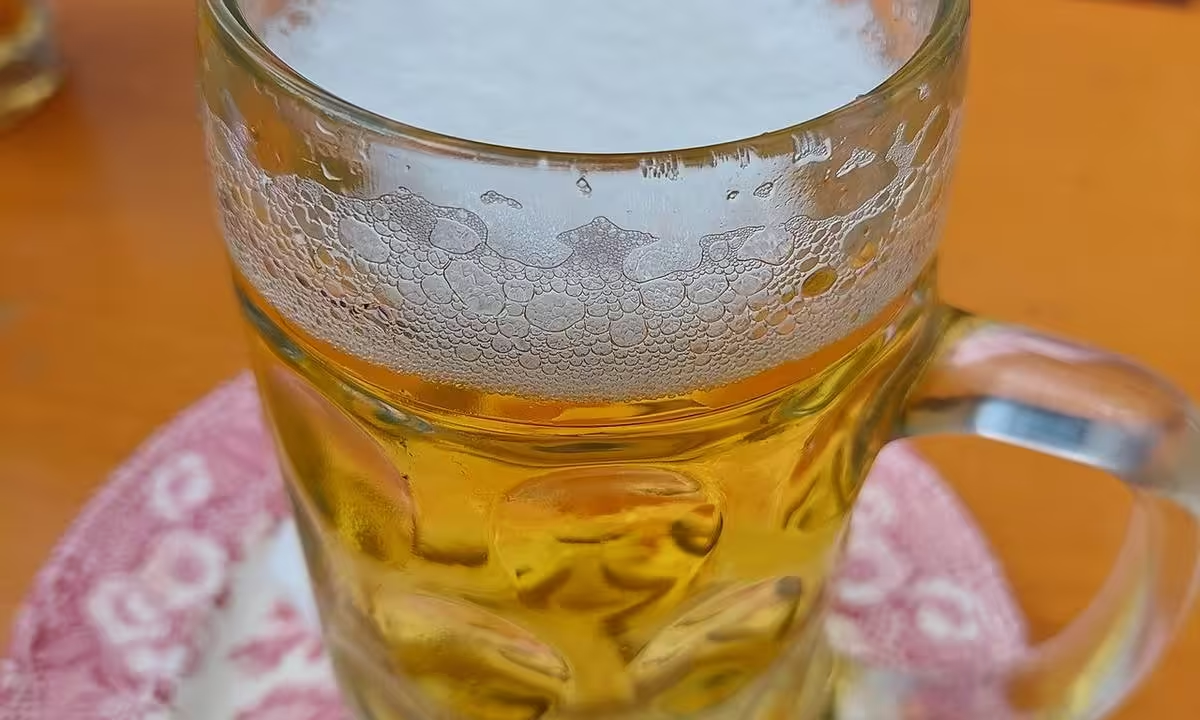
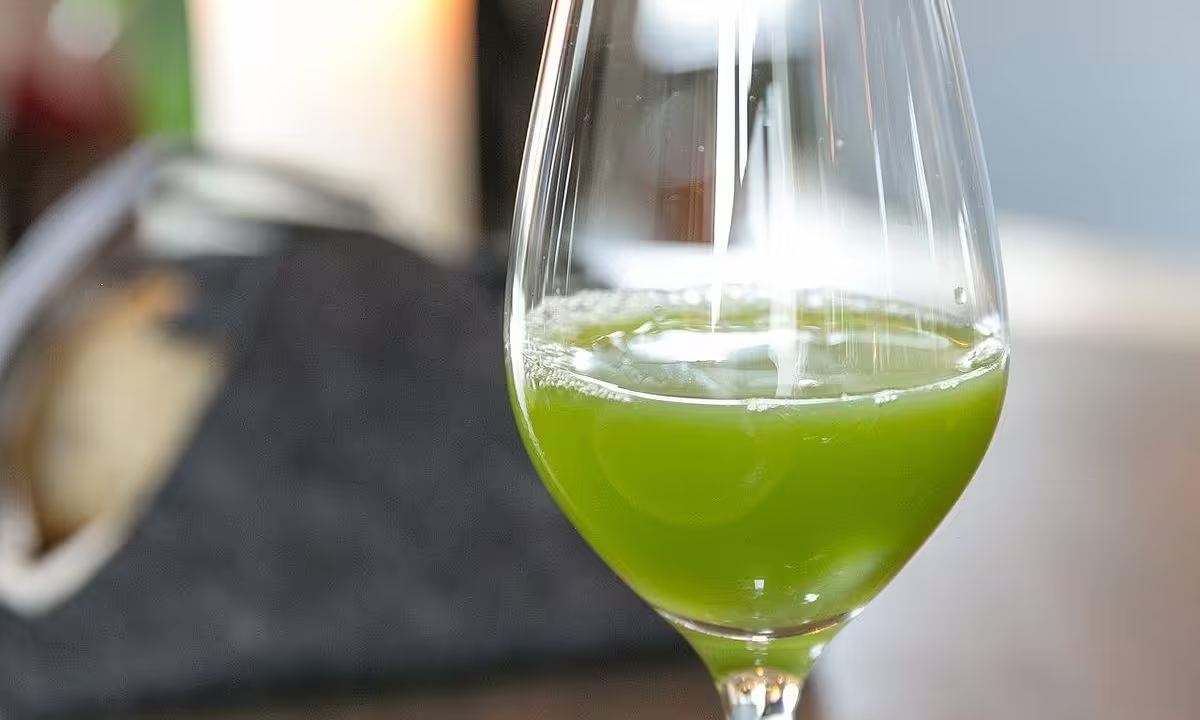
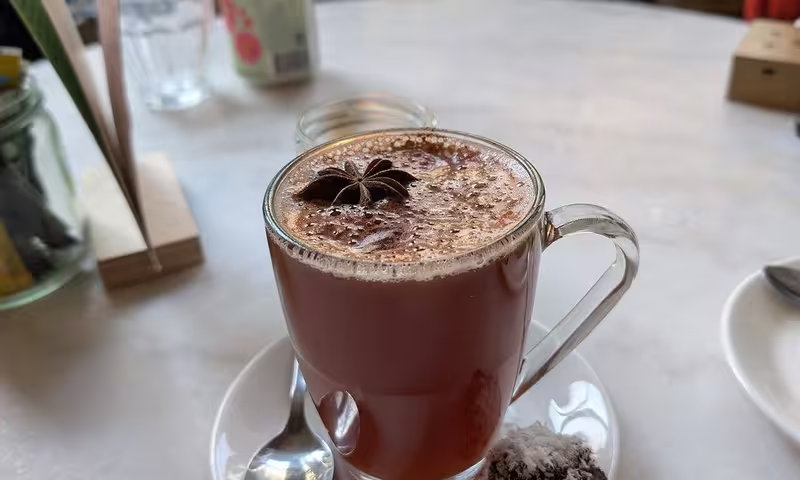
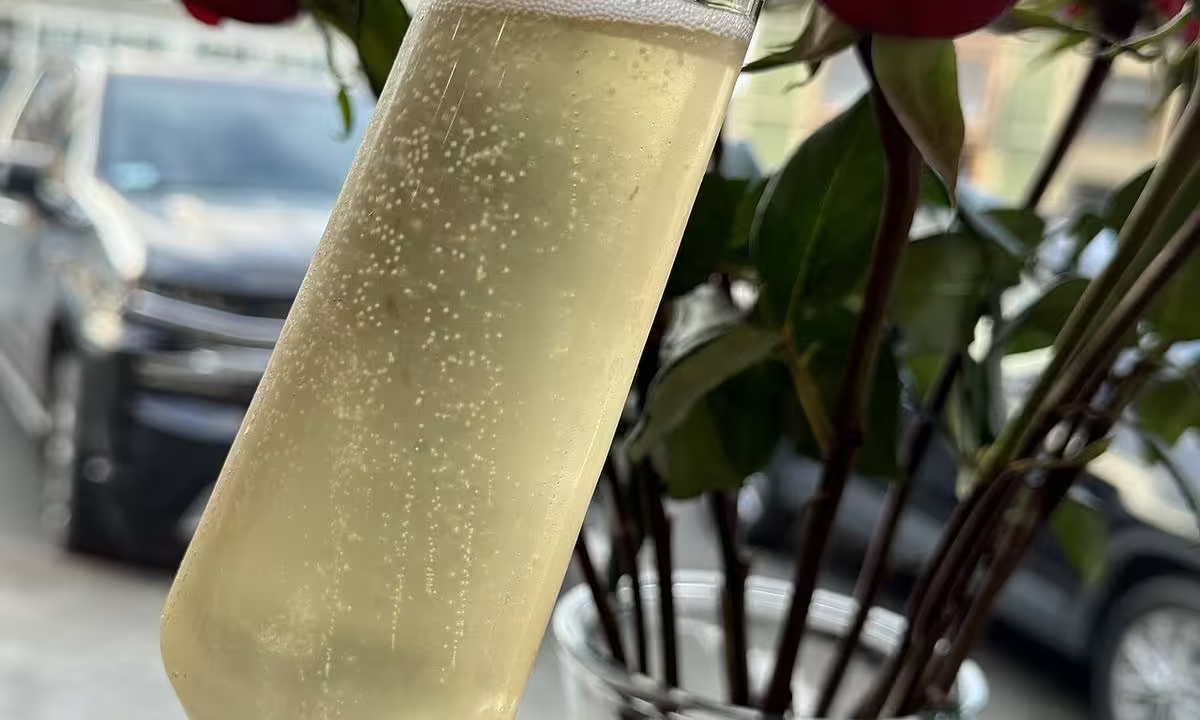
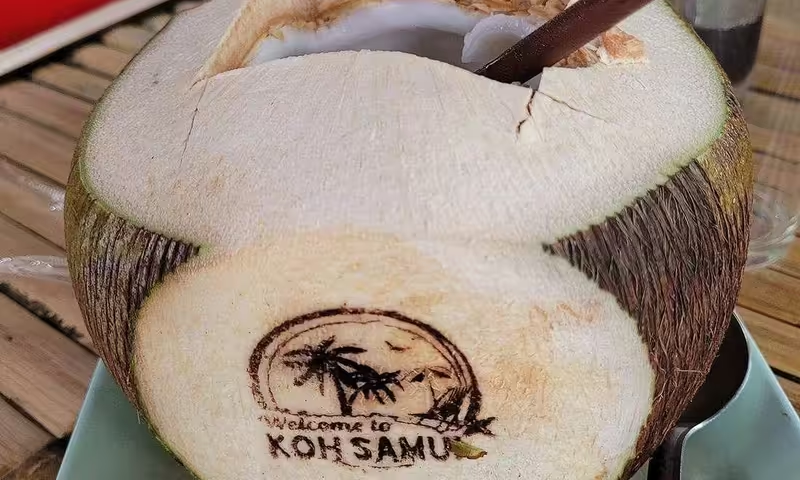
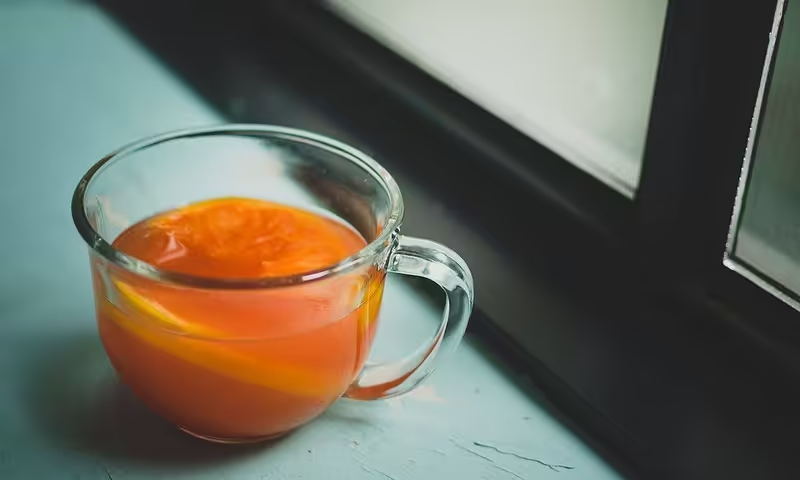
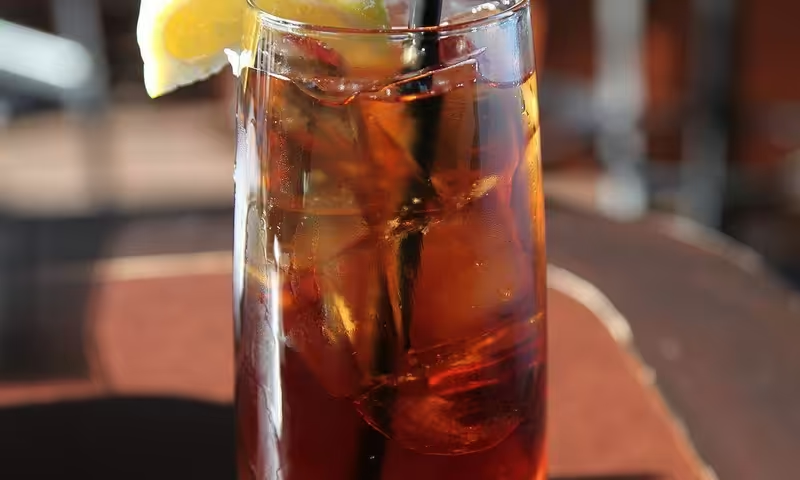
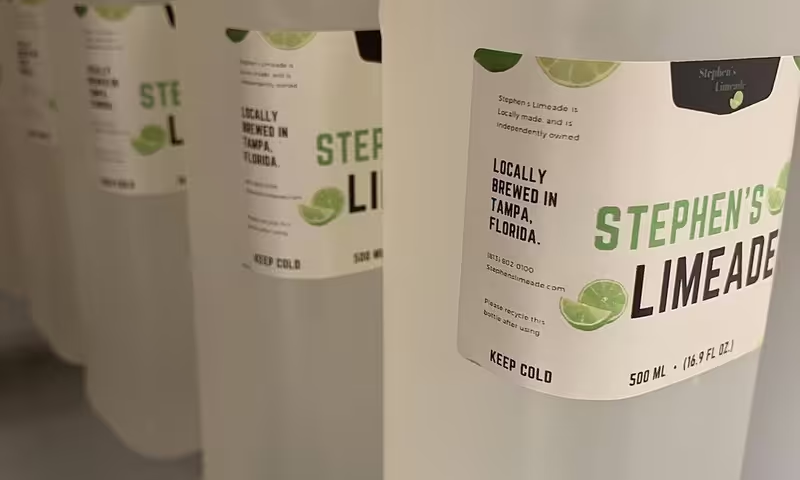
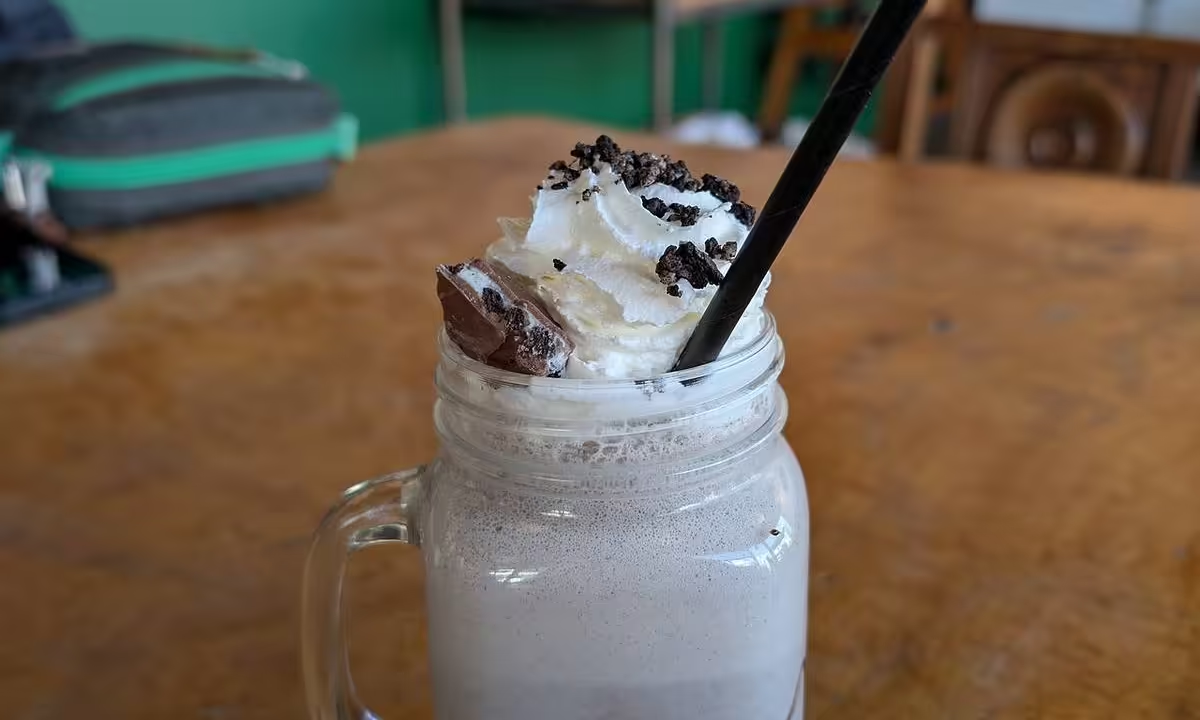
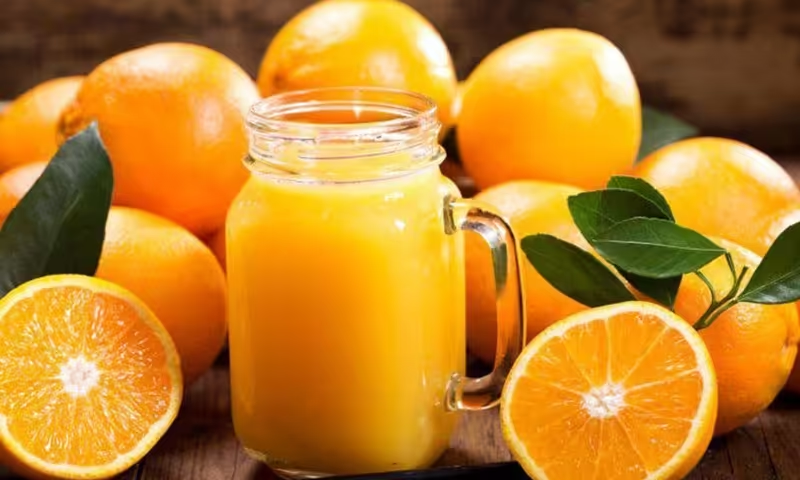
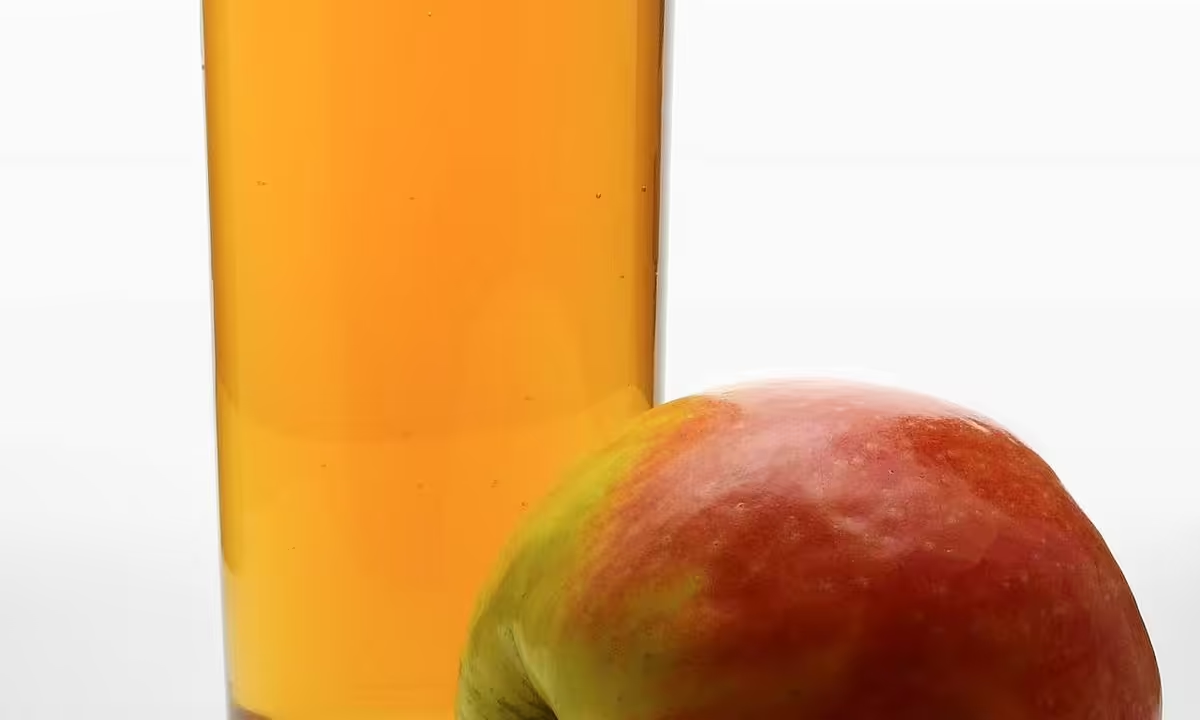
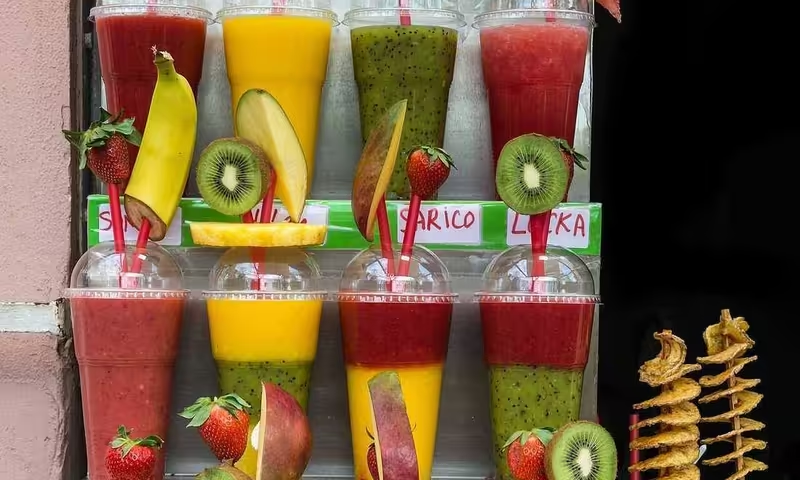
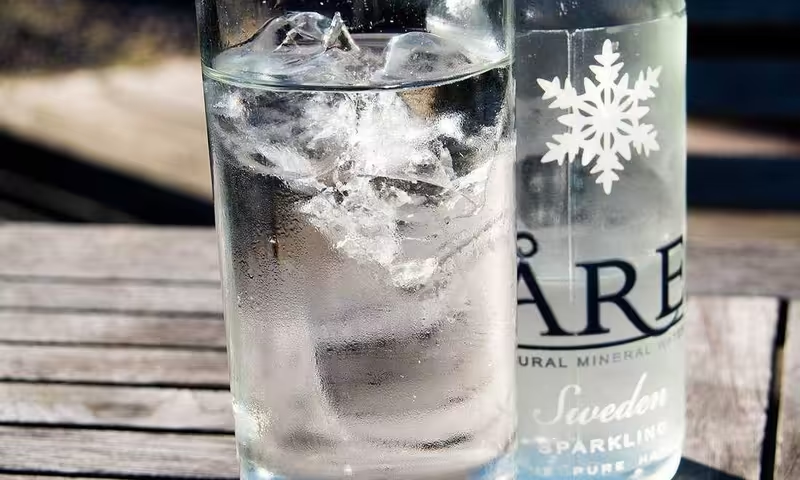
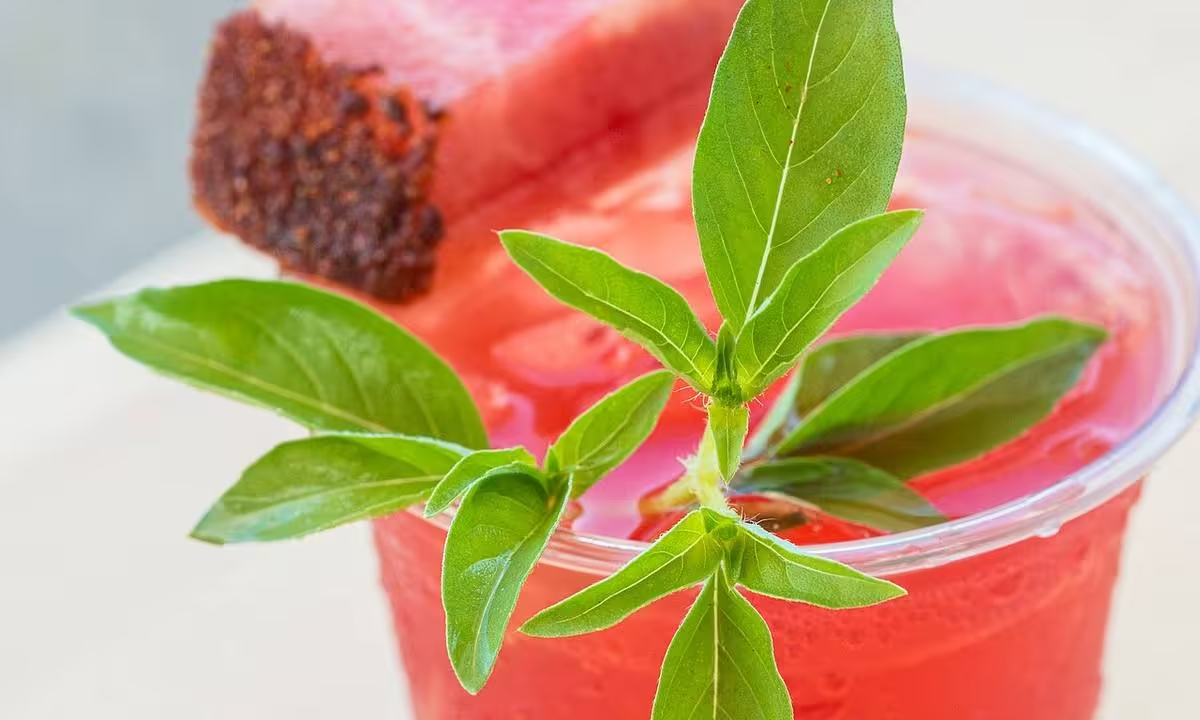
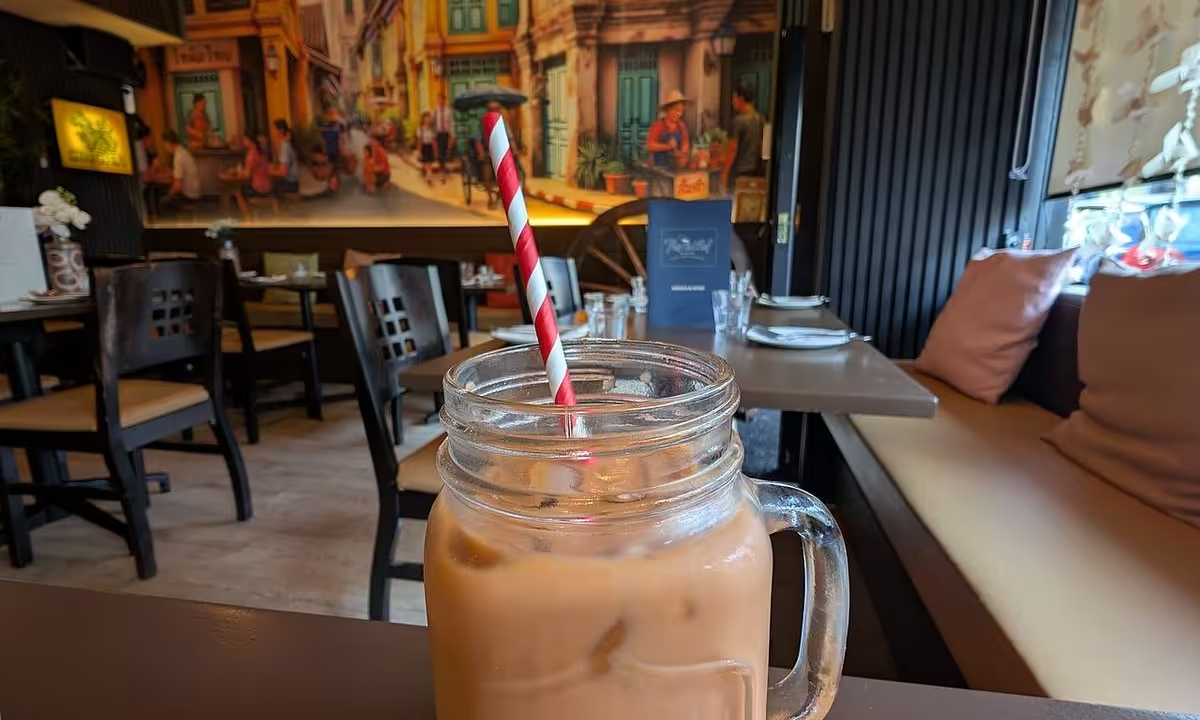
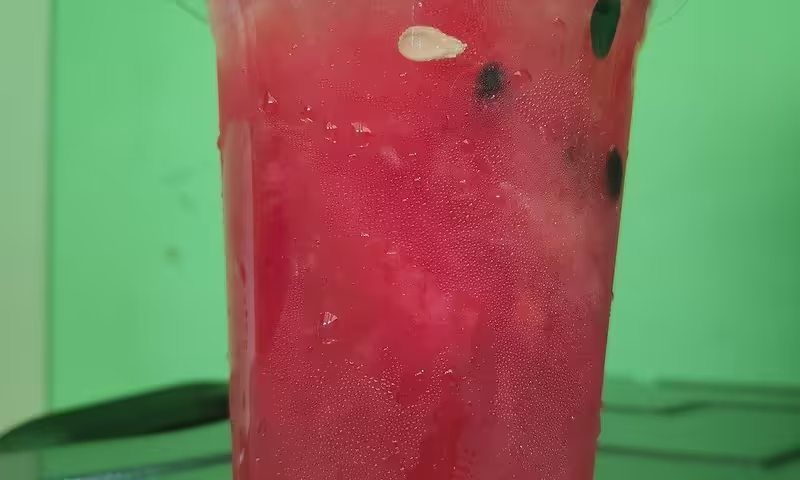
Freezing beverages is less about saving them — most keep fine unopened — and more about convenience: juice cubes for smoothies, leftover wine in cooking portions, coconut milk without the separated can. The group sorts by what the freezer actually does to each drink. Juice and fruit purees freeze into perfect smoothie cubes and slushy bases — some of the best value on the site. Wine freezes for cooking (not for drinking — aromatics fade); freeze leftover bottles in one-cube-of-wine measures and sauces get easier forever. Coconut and oat milks separate but re-shake; dairy milk lives in the Dairy rules; coffee and hot chocolate freeze into iced-drink cubes. Carbonated drinks are their own physics lesson: freezing forces the CO2 out of solution, and a sealed can or bottle can burst — so the cards say flat-out never in sealed containers, and opened-flat cola refreezes into a mediocre slushie at best. Alcohol-heavy drinks will not freeze solid in home freezers, which is their own answer. The cards cover orange juice and other juices, lemonade and iced tea, wine by color, beer (the site's flavor verdict: freezing kills the carbonation and stales the hops — cook with it instead), coconut milk and the plant milks, smoothies and their prep-ahead bags, milkshakes (re-blended cubes beat refrozen pints), coffee in three forms, and hot chocolate. Safety is light — most drinks are acid or sugar or pasteurized — but the sealed-container rule is absolute, and thawed dairy drinks follow Dairy's refrigerator-thaw rules. Windows run one to three months for most (juices up to six), measured on flavor, never on safety, at the standing 0 °F / -18 °C.