Freezing Dairy
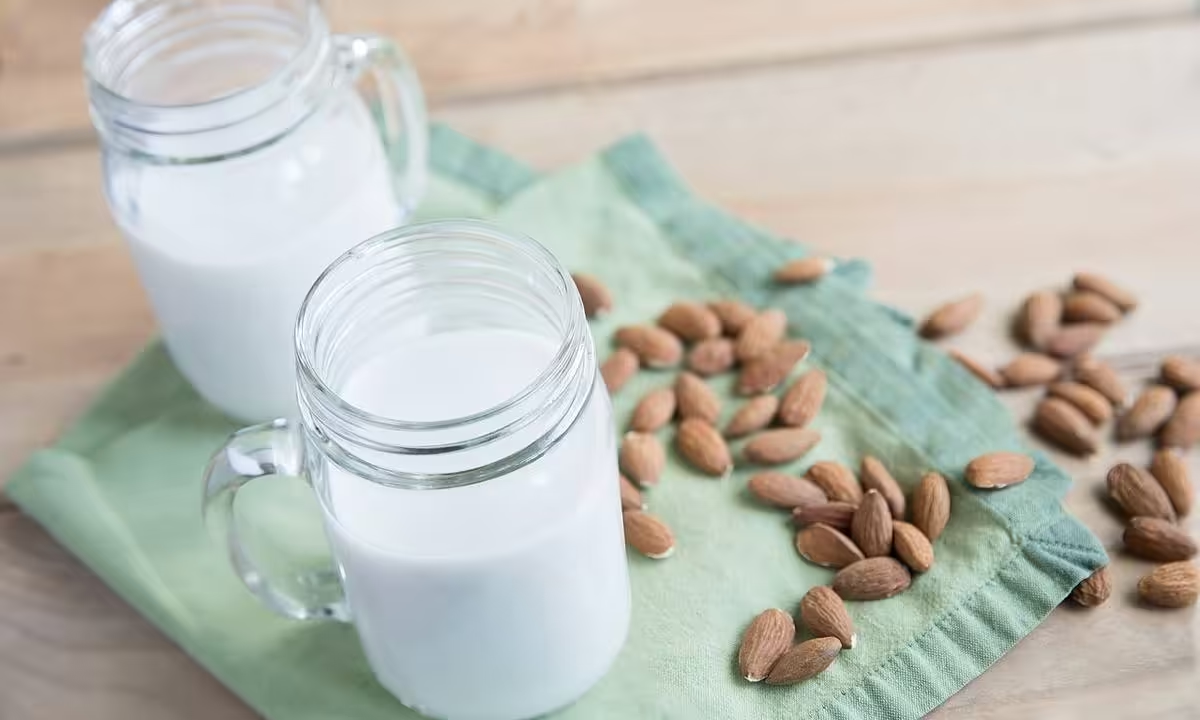
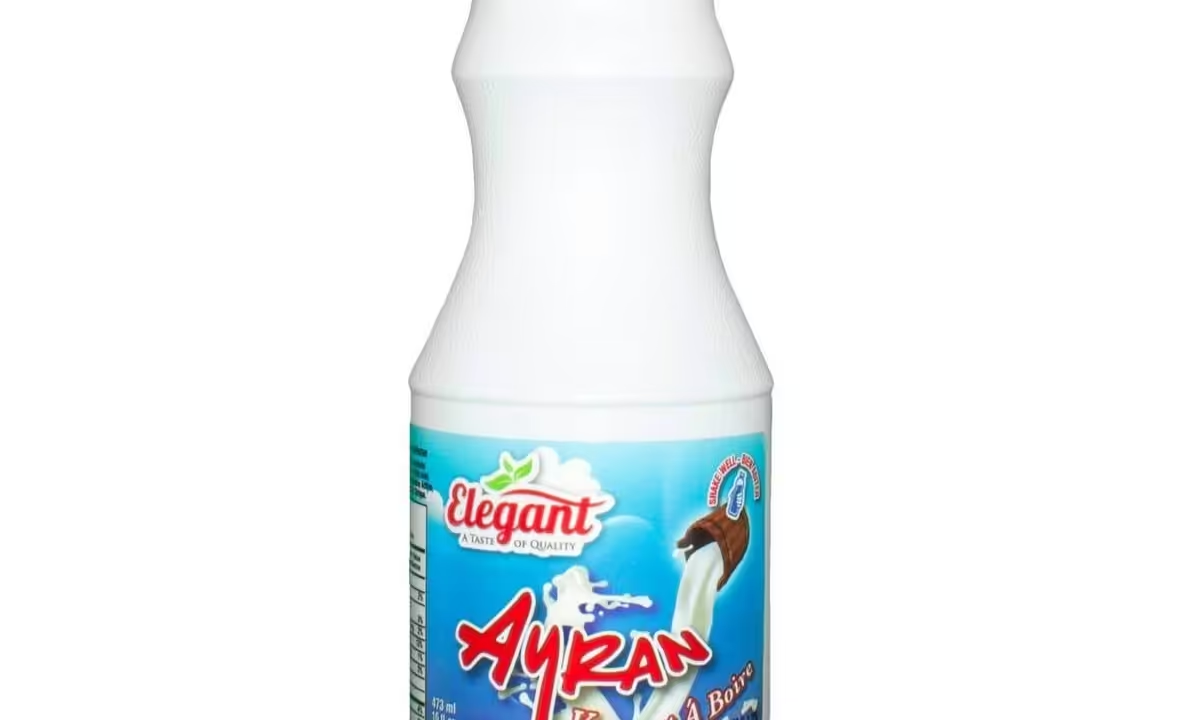
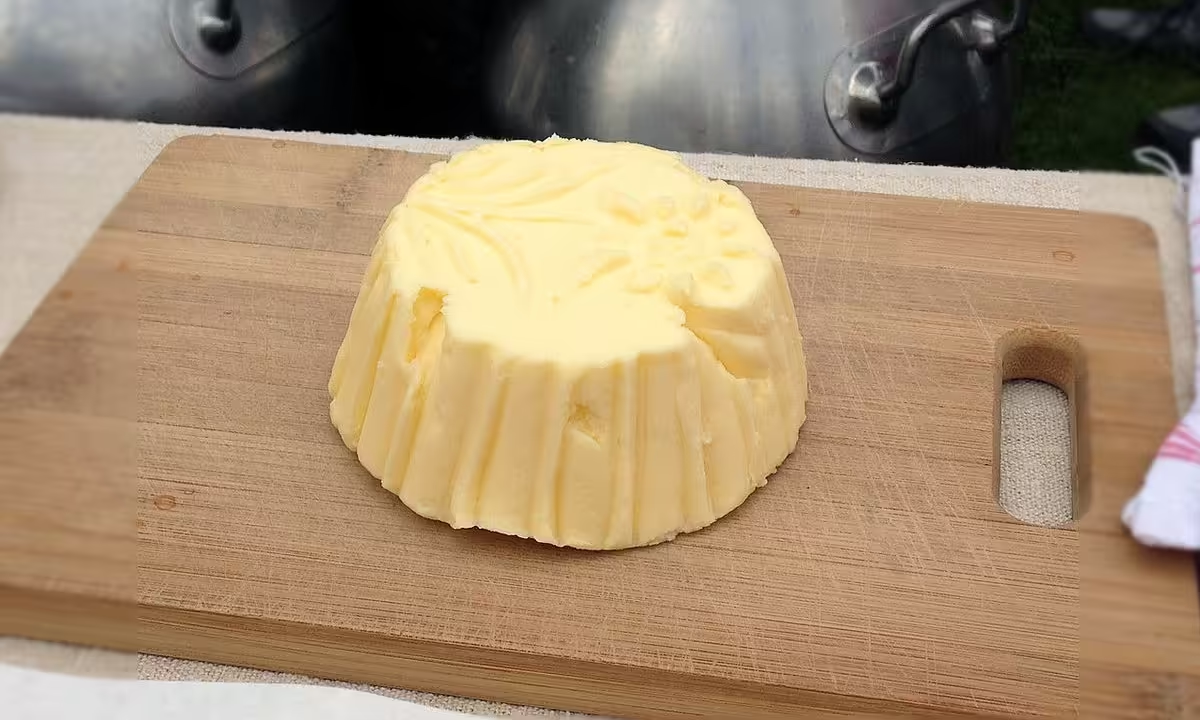
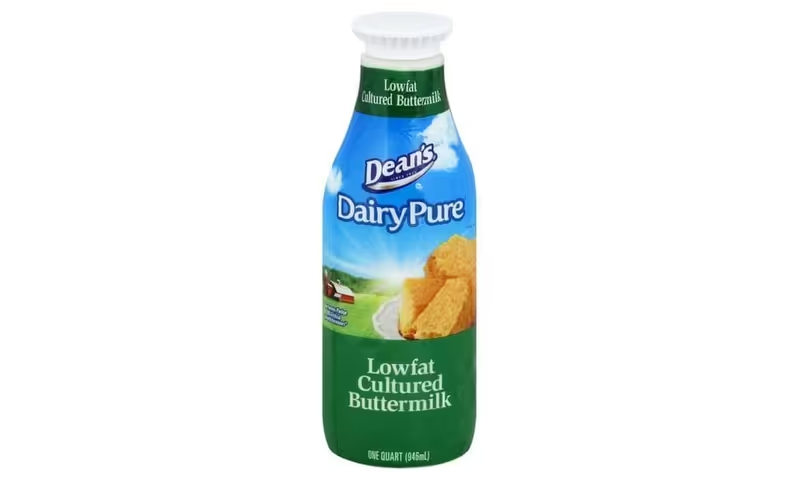
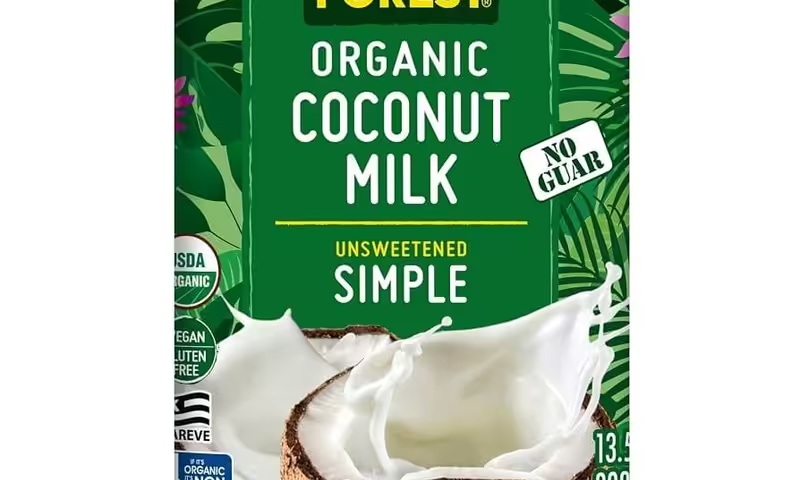
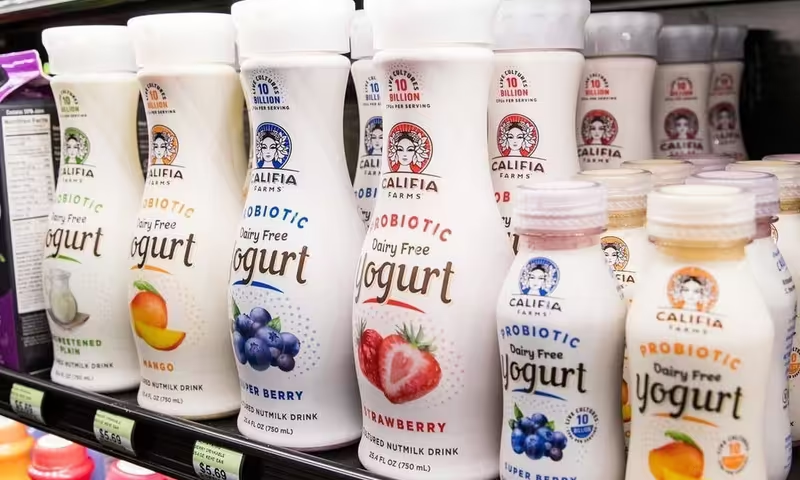
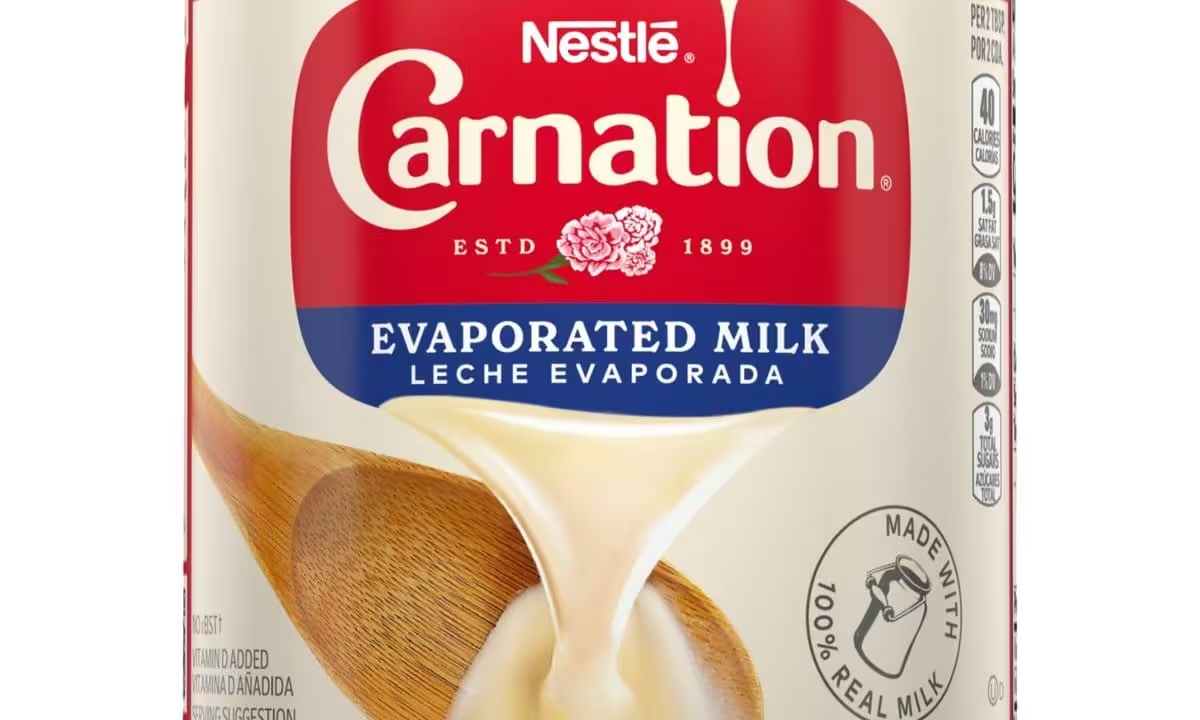
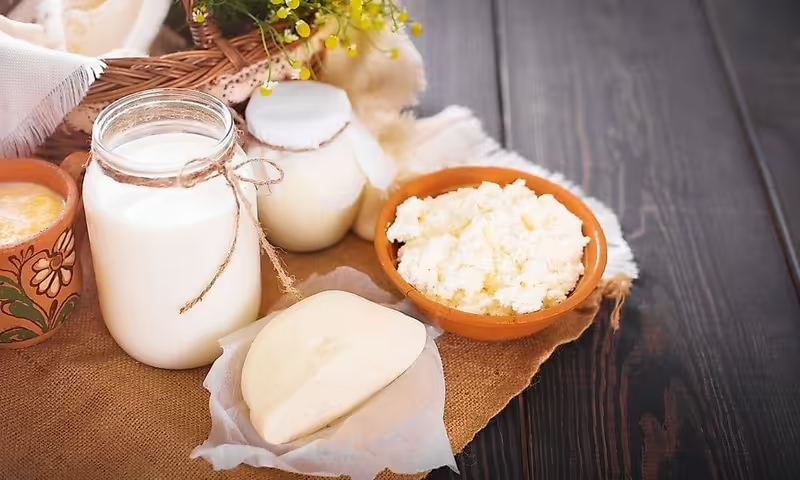
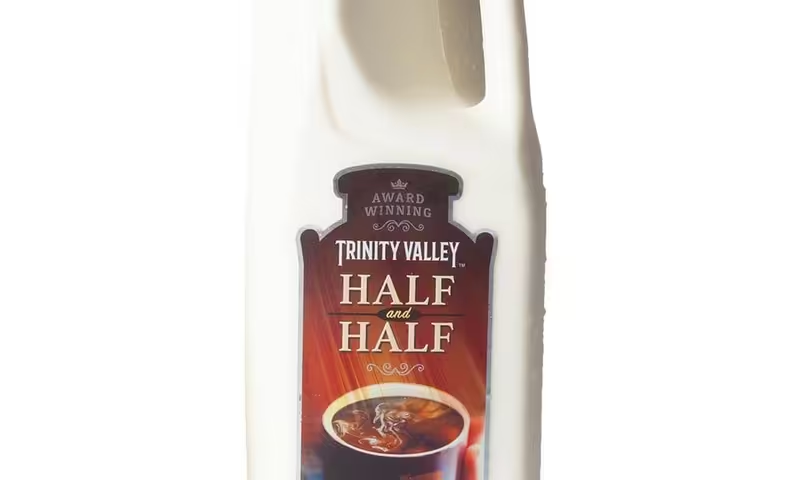
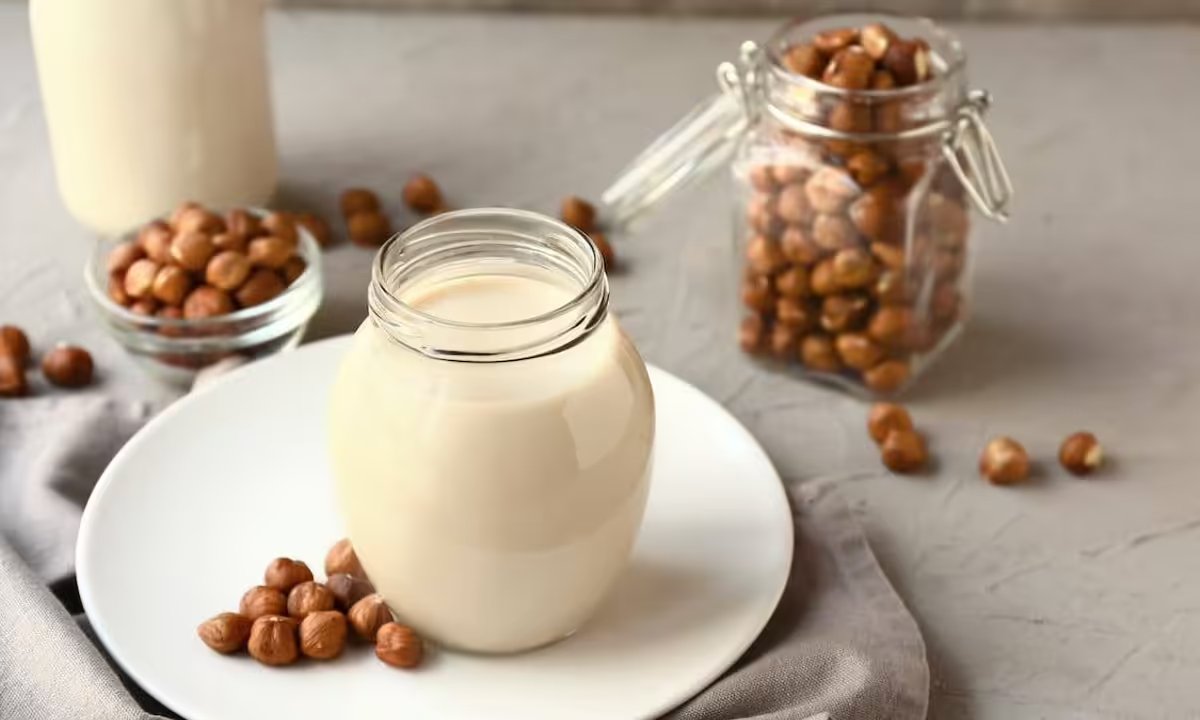
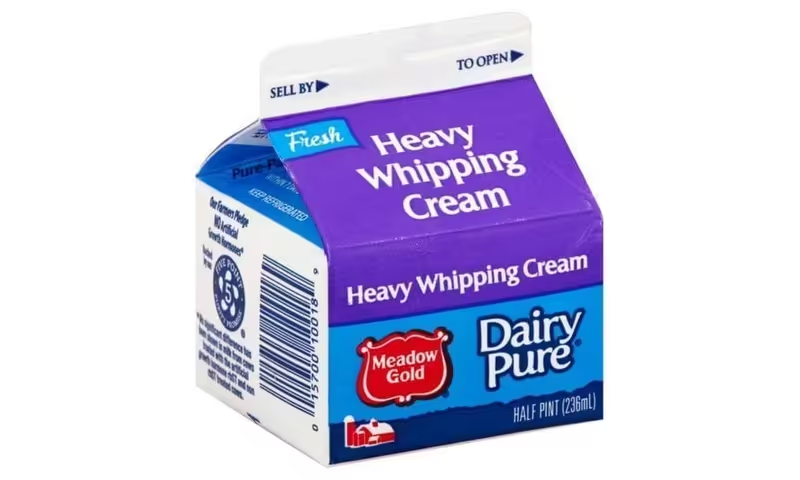
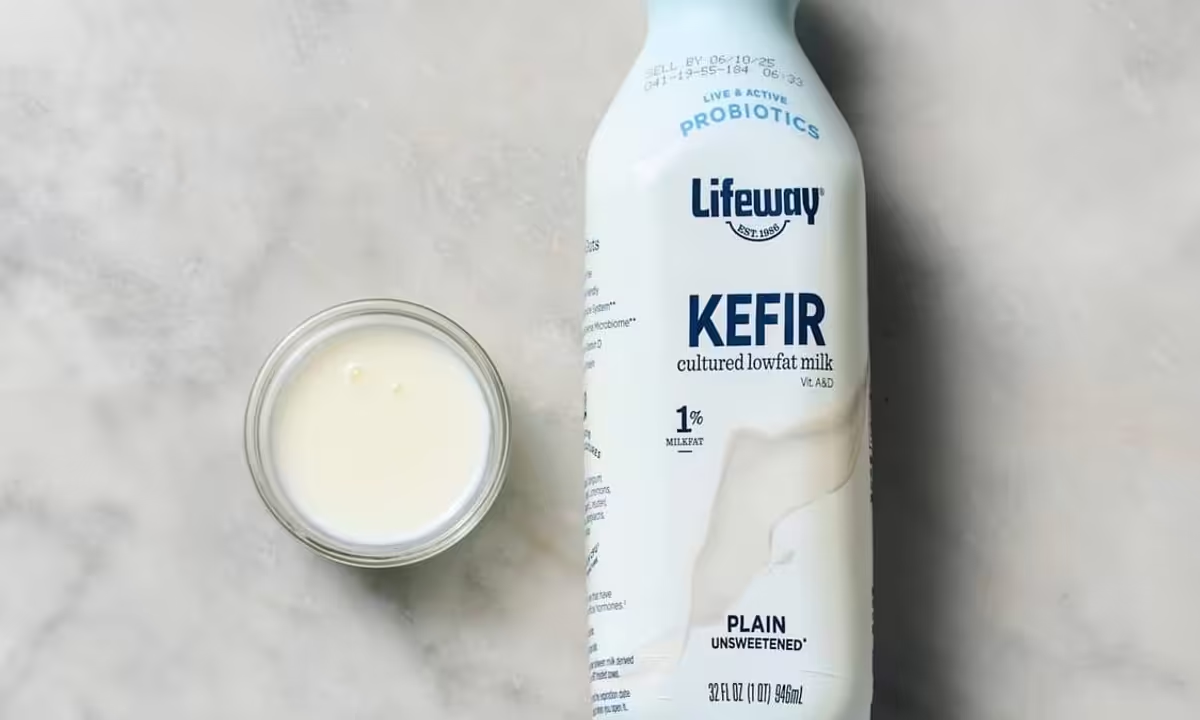
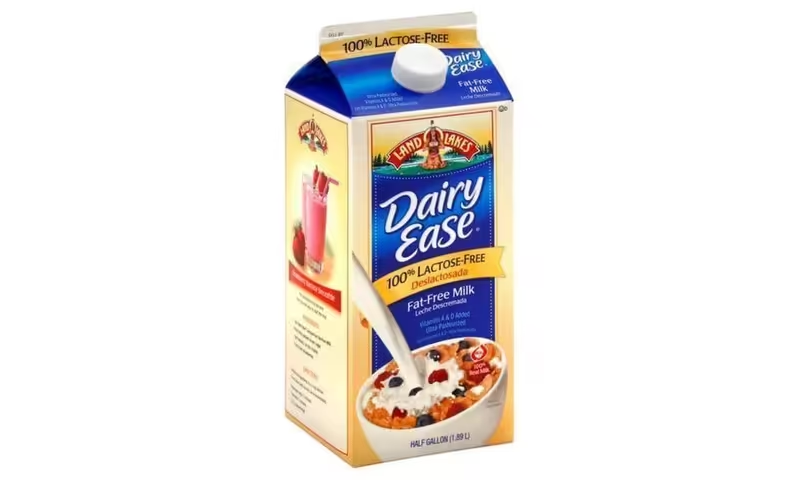
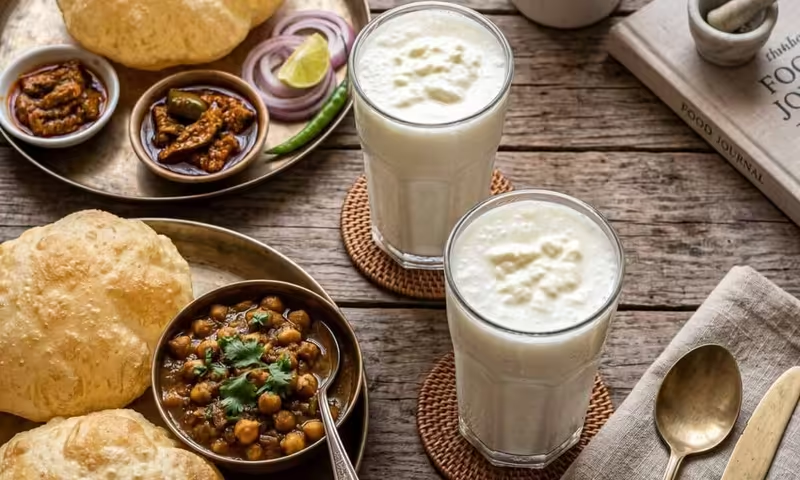
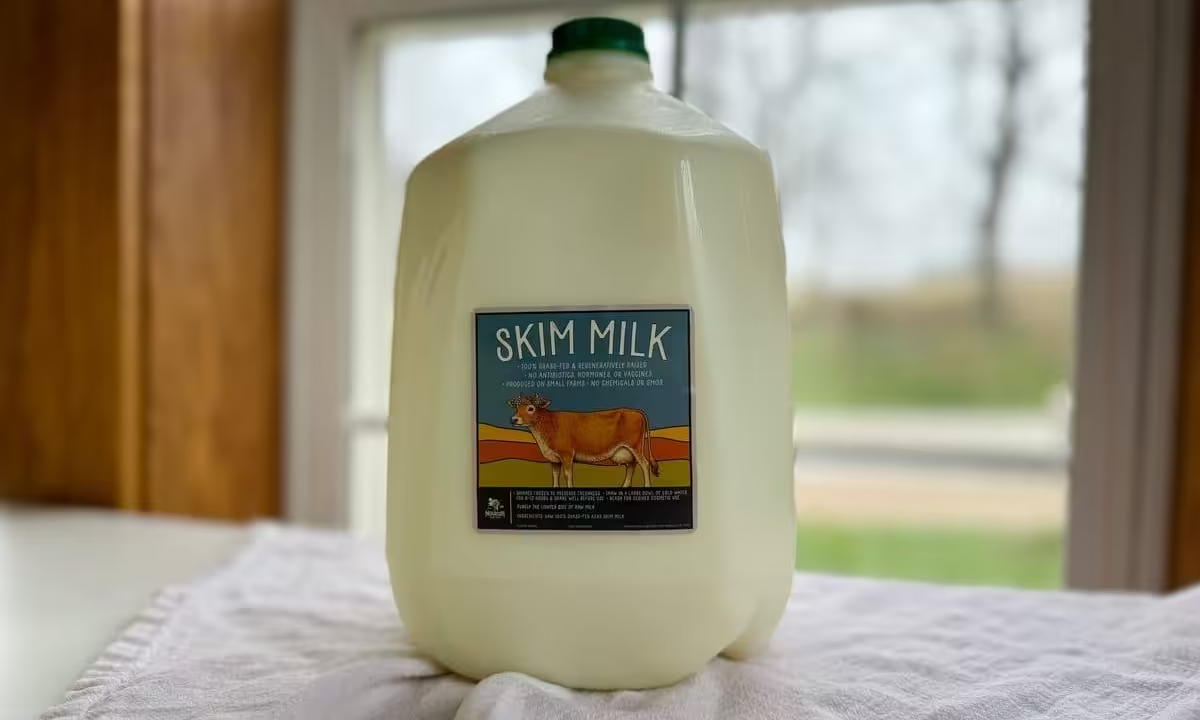
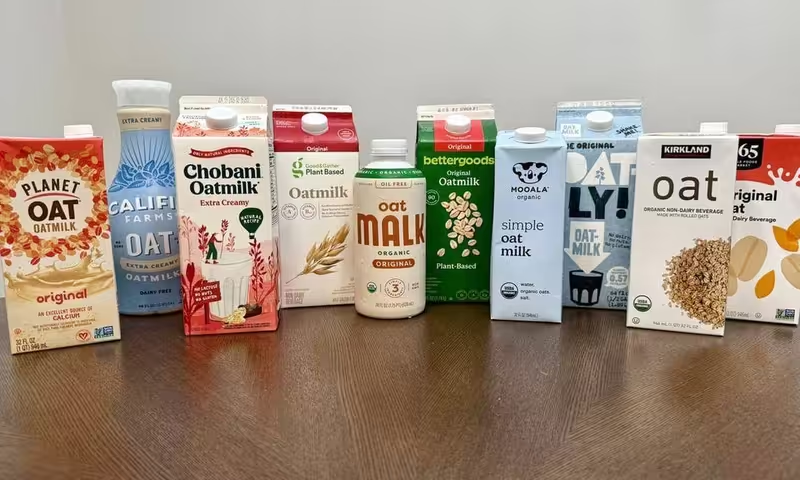
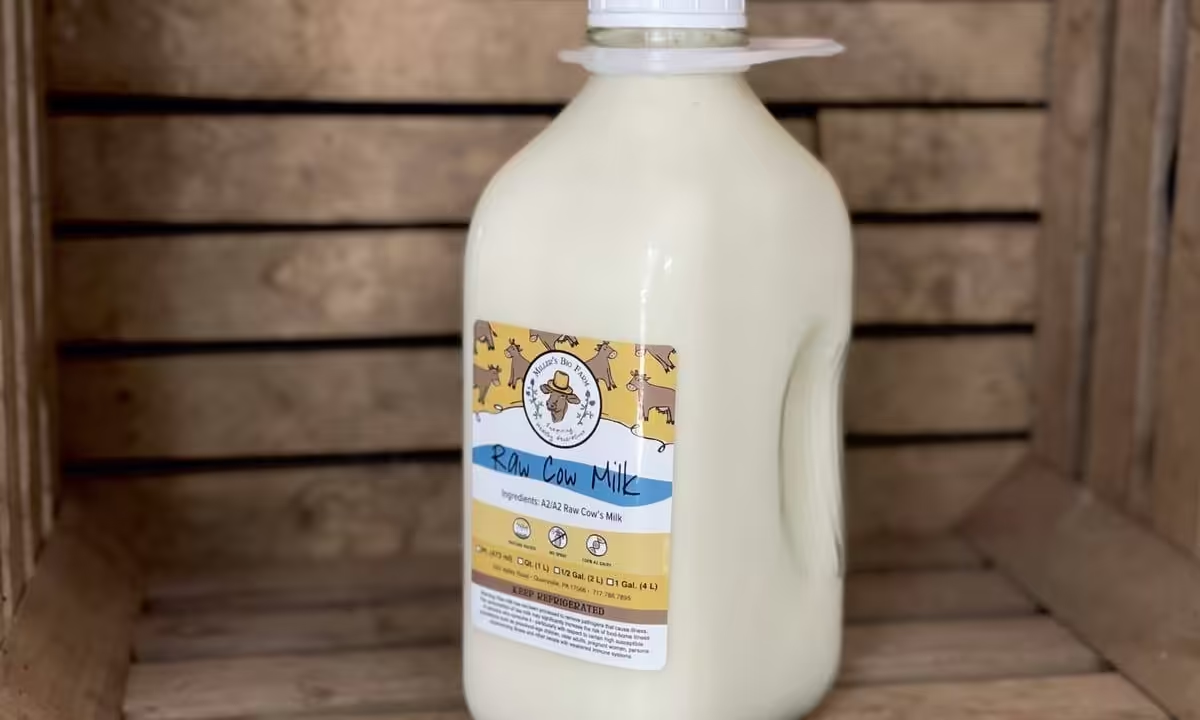
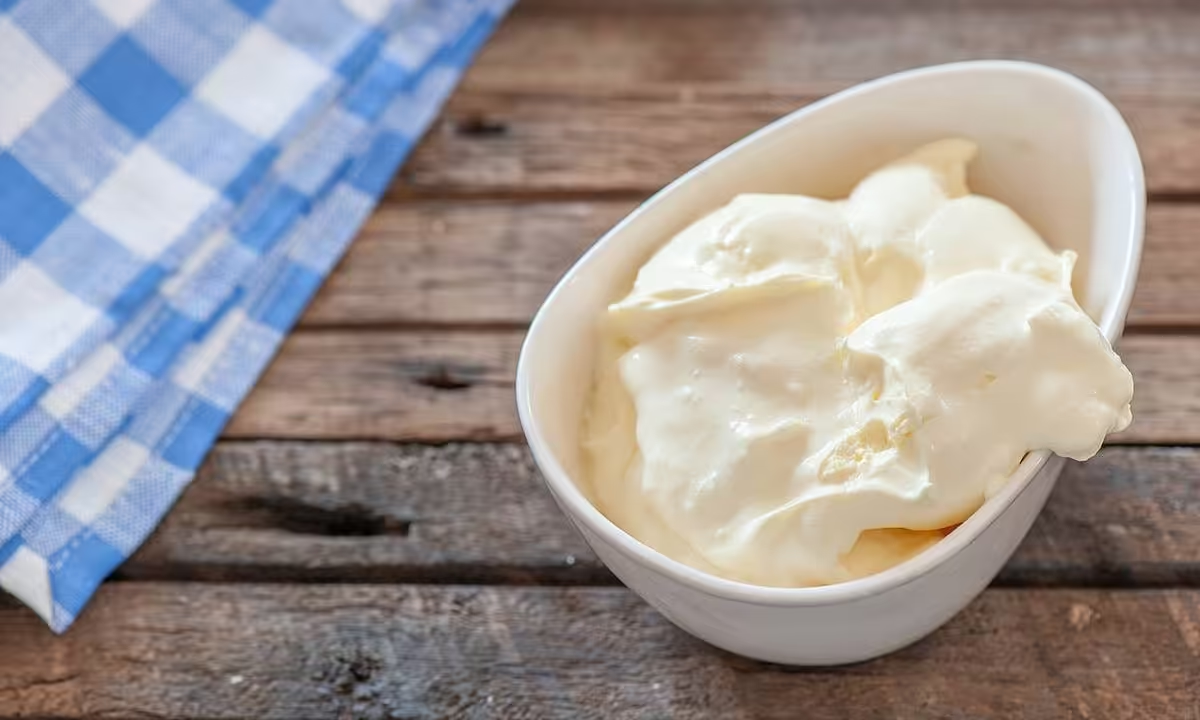
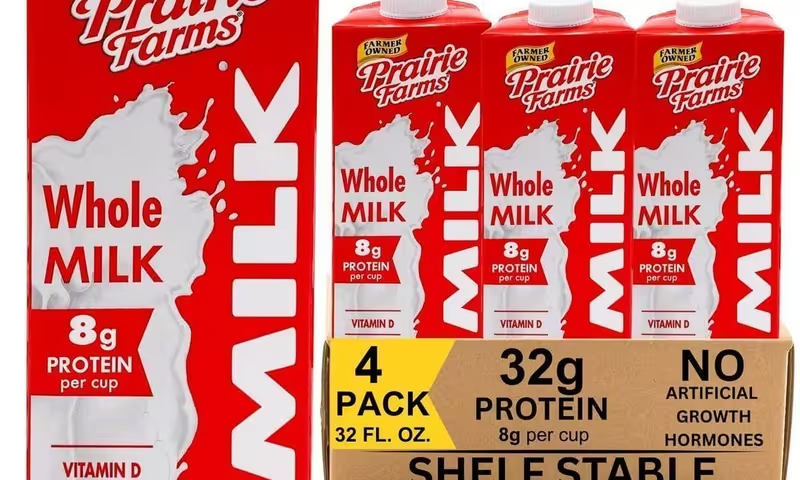
Dairy is where freezing earns its keep — milk, cream, and yogurt all outlast their fridge dates in the freezer. The trade is texture: emulsions can separate and cultured products can turn grainy. Most dairy thaws back into cooking and baking beautifully, even when it will not return to a drinking glass. The science is straightforward. Milk is an emulsion of fat suspended in water, and freezing rearranges that suspension: fat clumps, membranes rupture, and thawed milk pours grainy until you shake it hard or blitz it. Cultured products — yogurt, kefir, sour cream, buttermilk — add live cultures to the picture; the cold sends most of them dormant, which is why thawed kefir works in a smoothie but no longer behaves like a fresh culture if you try to ferment with it. Cream with a high fat share (heavy whipping cream) holds its body far better than low-fat milk, and butter — being mostly fat with little water — is the one dairy that freezes with almost nothing to complain about for nine months to a year. The cards in this group cover the whole shelf: fresh and UHT milk, raw milk with its stricter handling notes, condensed and evaporated milk, cream in every fat level, sour cream and crème fraîche, yogurt and drinkable yogurt, kefir, buttermilk, and the plant-based milks (oat, almond, soy, coconut), which each separate in their own characteristic way. Storage notes across the cards follow the same logic: freeze in portion sizes you will actually use, leave headroom for expansion, thaw slowly in the refrigerator, and plan the thaw around a cooked or baked use whenever the texture matters. Two safety notes worth keeping in mind while you browse. First, freezing keeps food safe indefinitely at 0 °F / -18 °C — the month windows on these cards measure quality, not safety. Second, dairy is unforgiving of pre-existing spoilage: anything that smelled tired before freezing comes back the same way, only colder. When a card says a product is not recommended, it is a texture verdict, not a warning label — and the card will say what to do with it instead.