Freezing Eggs
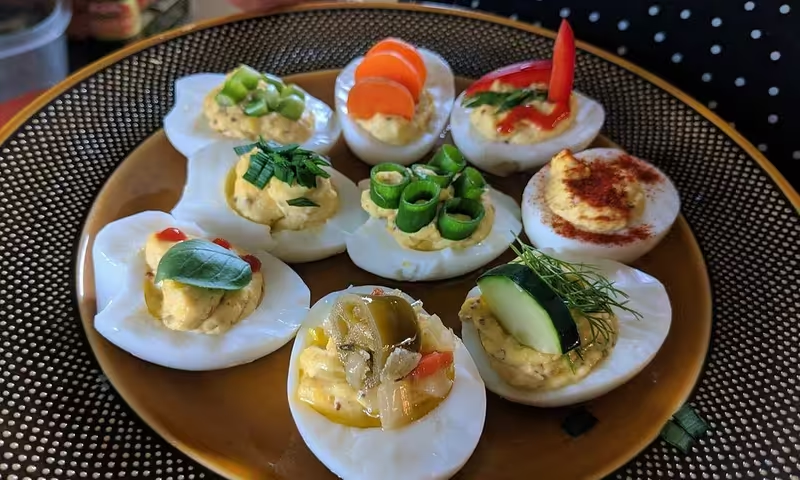
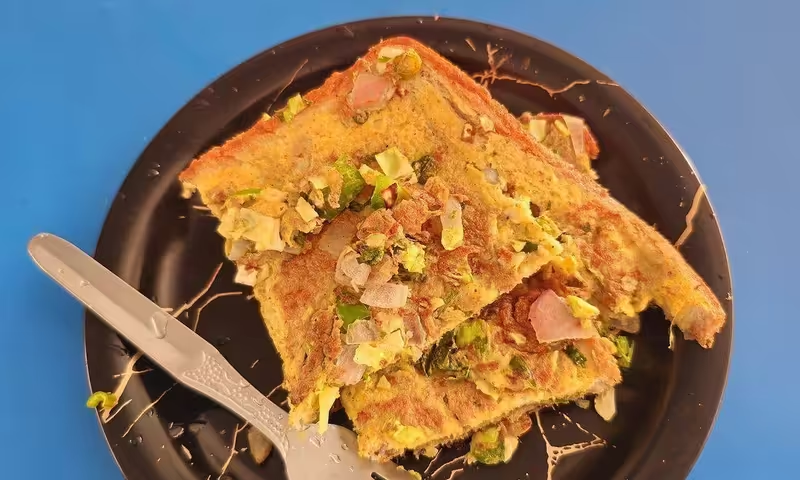
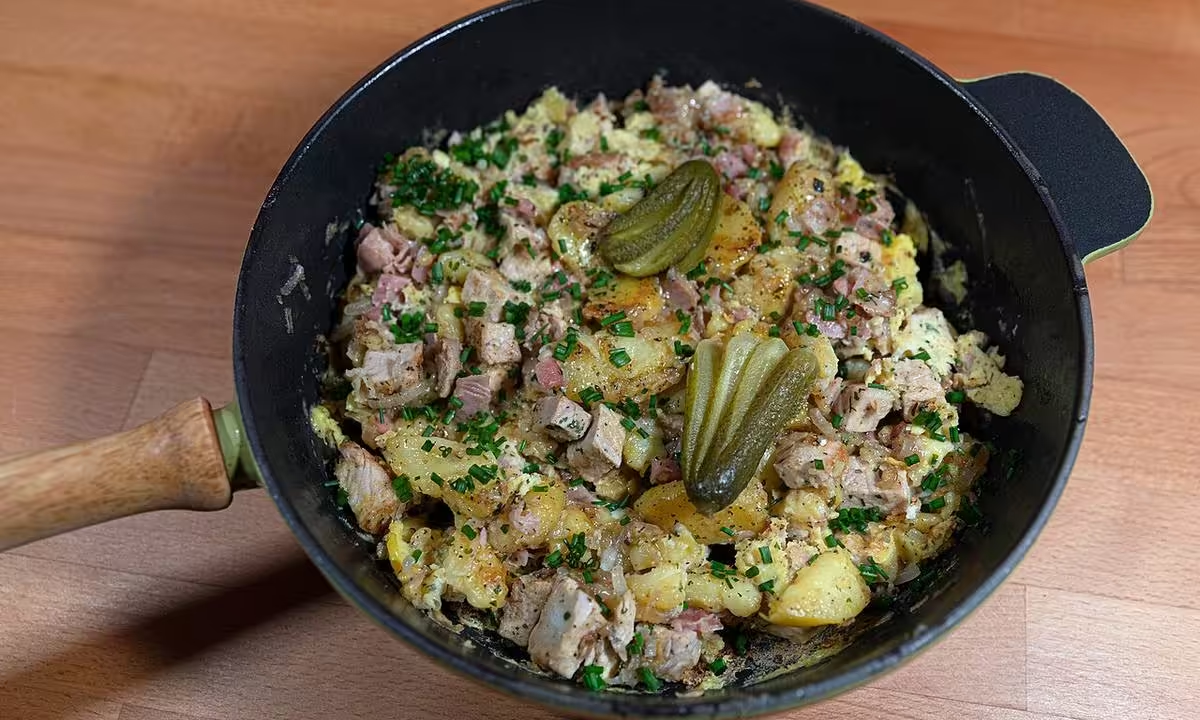
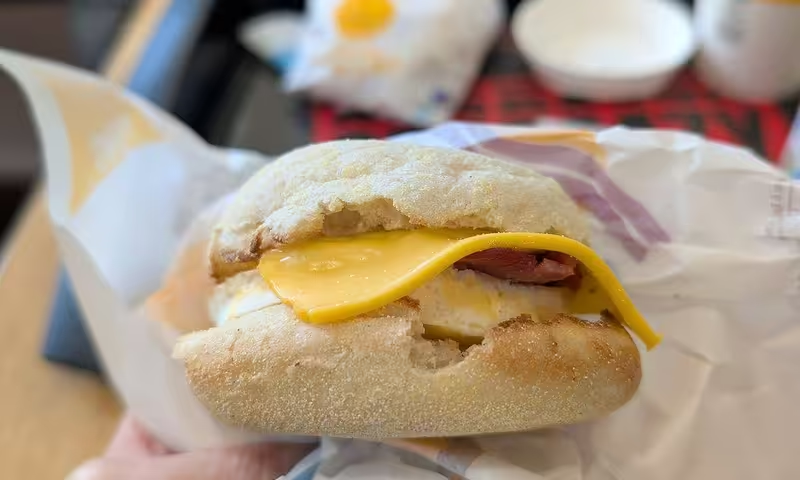
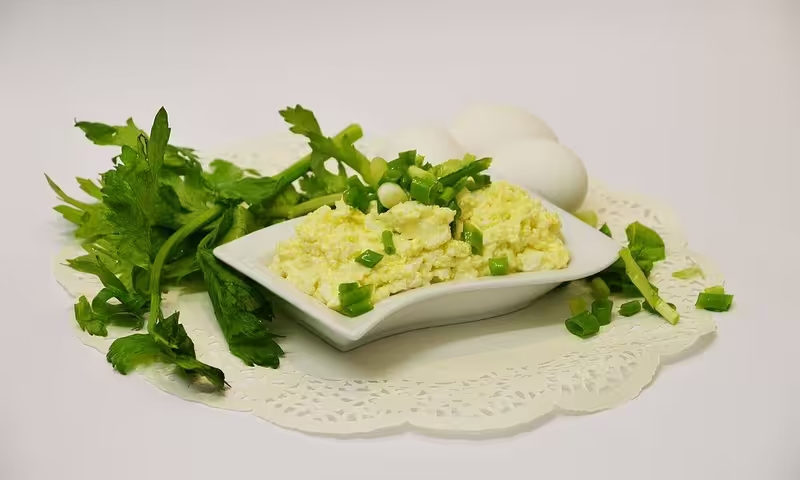
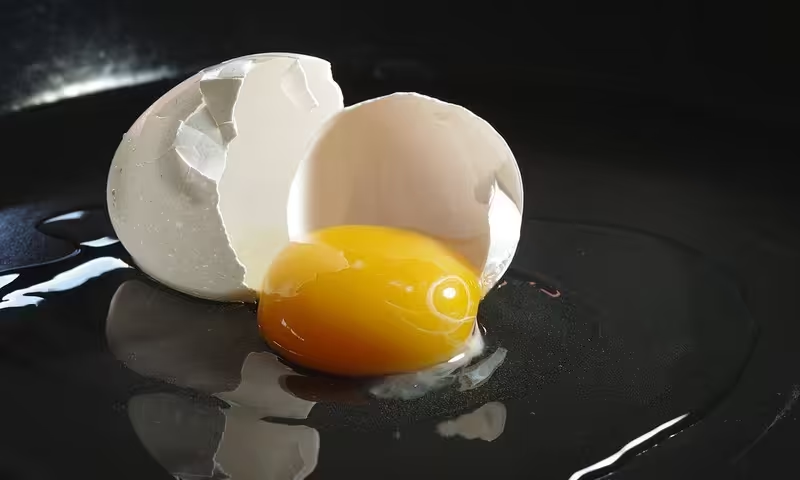
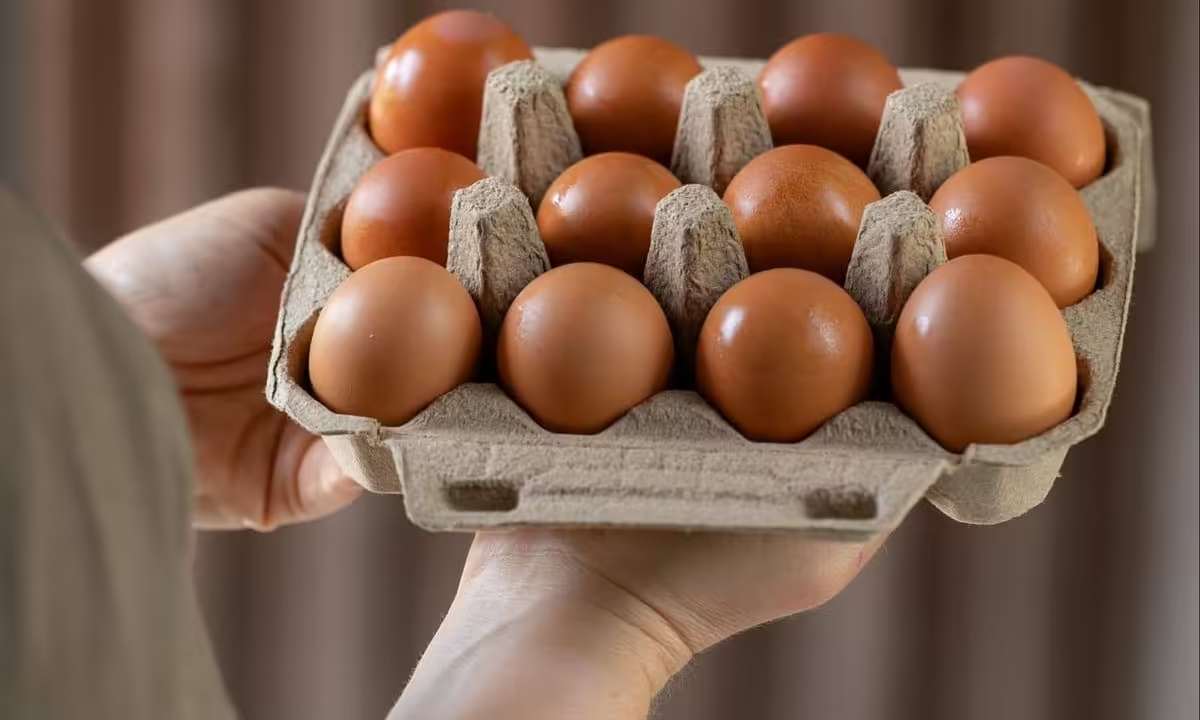
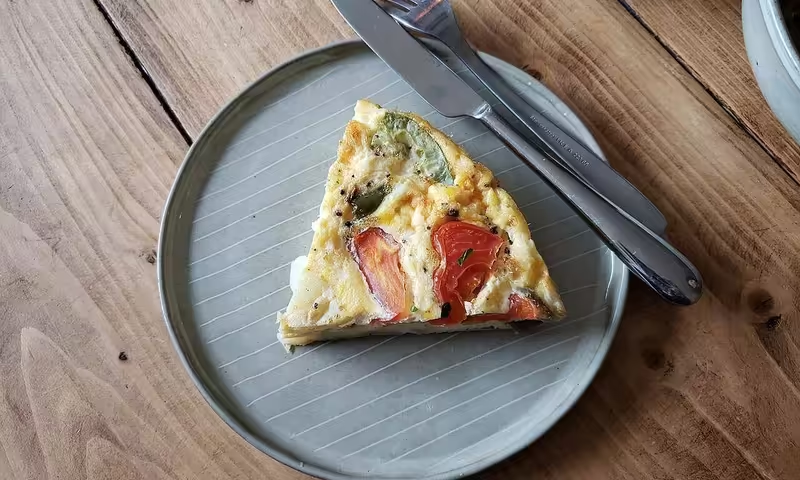
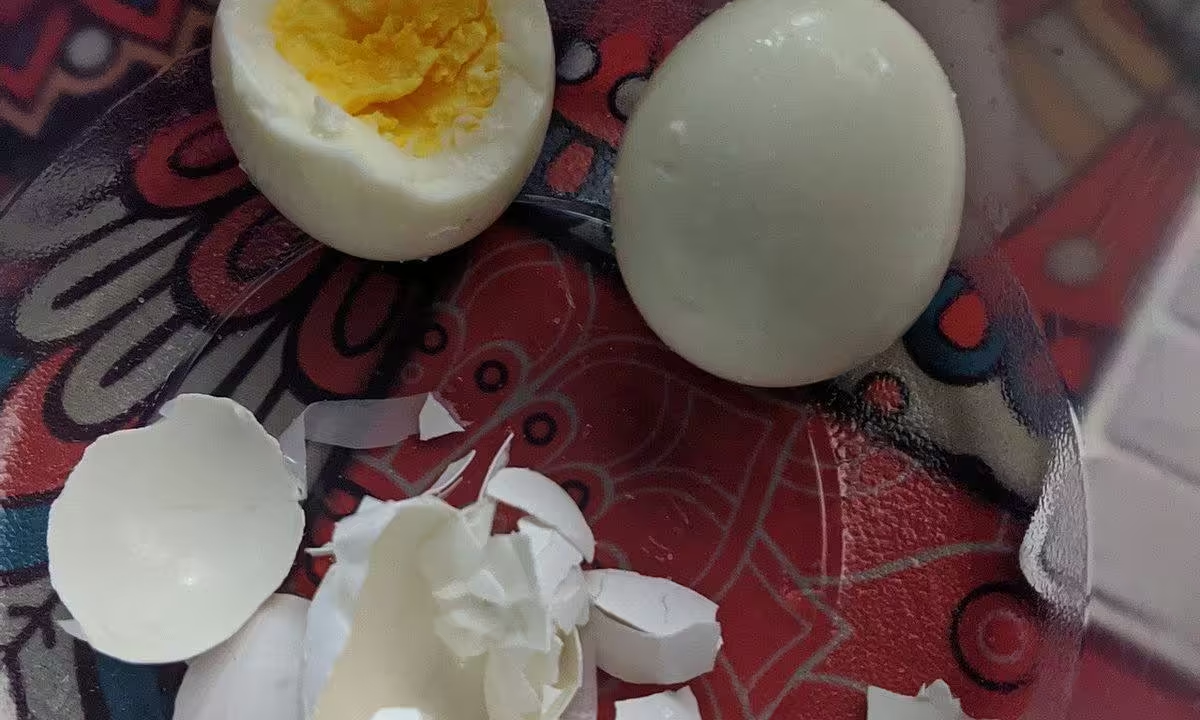
Eggs freeze remarkably well — but never inside the shell, which cracks as the contents expand. Out of the shell, whole eggs, whites, and beaten yolks all hold for months and return to nearly any cooked use. Hard-cooked whites are the exception: they turn rubbery and weepy. The mechanics are simple once the shell is gone. Whole beaten eggs freeze cleanly (add a pinch of salt or sugar if you want to keep yolks from gelling thick and syrupy), whites freeze on their own perfectly, and yolks need the salt-or-sugar treatment because their lipoproteins gel at freezer temperatures — the anti-gelling trick is old bakery practice. Portion by the egg (an ice-cube tray holds roughly three tablespoons per well) and label the count on the bag; thawed eggs pour like fresh and bake like fresh. The cards cover every form the question comes in: raw whole eggs, separated whites and yolks, hard-boiled eggs (whites rubbery, yolks fine — so freeze yolks for salads), egg substitutes, cartons of liquid eggs, and cooked dishes built on eggs, from quiche to egg salad — where the guidance shifts because mayo and cooked proteins each behave differently. Egg-based sauces (hollandaise, custard) live in Sauces and Desserts with their own rules. The safety frame matters more here than almost anywhere: eggs are a raw-animal-product, so thaw them in the refrigerator, never on the counter, and cook thawed eggs fully. The shell rule is absolute — freezing in-shell risks cracked shells and contamination, which is why every card in this group starts from shelled eggs. Done right, a bulk-buy dozen becomes three months of weekend baking.