Can You Freeze Hard-Boiled Eggs?
The week after Easter, the fridge fills with dyed eggs and the internet fills with optimistic advice. Here is the honest version: frozen hard-boiled yolks come back crumbly and useful, whites come back rubbery and wet, and nobody should eat a thawed whole one.
Also called: hard boiled eggs · boiled eggs · hard-cooked eggs · cooked eggs
Yes — but only for chopped or cooked uses: the whites turn rubbery and weepy while the yolks crumble happily.
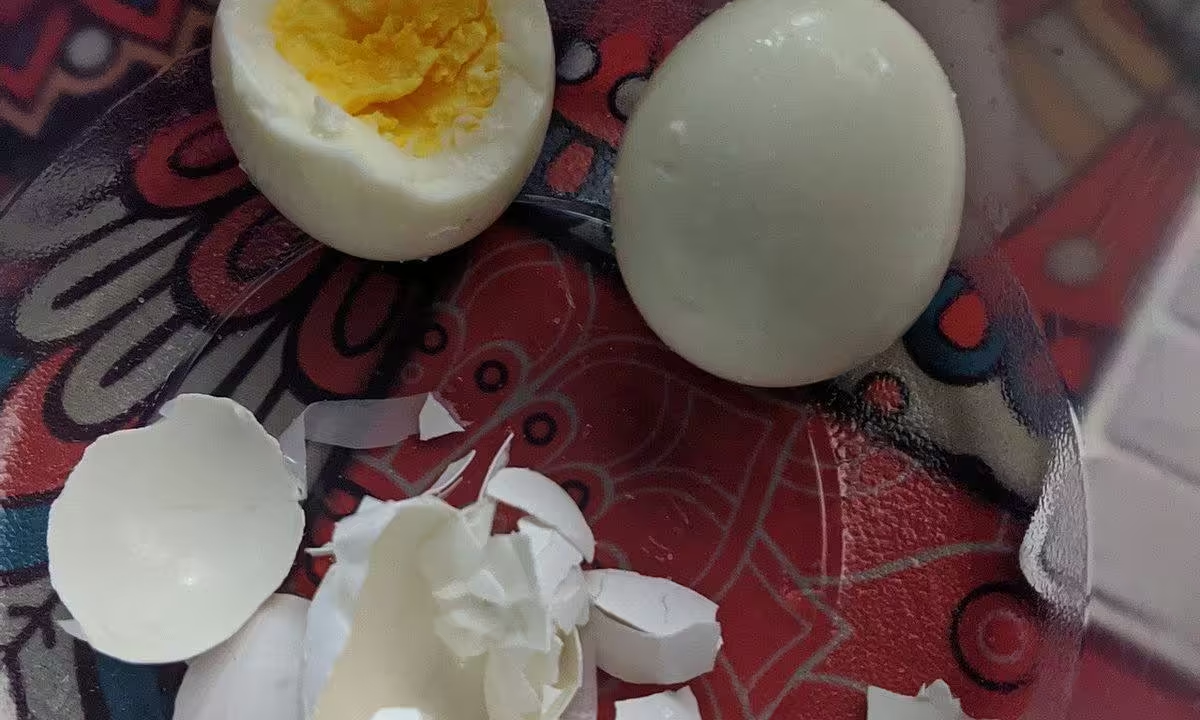
Getting hard-boiled eggs ready for the freezer
Peel, pat dry, and freeze yolks and whites separately if you can — yolks whole, whites chopped for cooked dishes. Plan on reheating or cooking them further; do not serve as-is.
Before it goes in
- Cool the boiled eggs completely in ice water, then peel and pat dry.
- Halve or scoop out the yolks; freeze them whole on a lined tray.
- Chop the whites for their next cooked assignment and freeze them in a separate bag.
- Label both bags with the date — they will look identical in a month.
Containers & wrapping
Freezer bags for chopped whites, a rigid container so whole yolks survive uncrushed. A double wrap keeps dyed whites from bleeding color onto their neighbors.
Freezer storage
2–3 months
Quality falls off fast for whites; the freezer does them no favors beyond a couple of months. Yolks hold better than whites throughout.
Read the window on hard-boiled eggs as advice, not a warning. At 0 °F / -18 °C it is safe to eat at any age; 2–3 months is simply where the flavor and texture are worth the most.
Thawing hard-boiled eggs: the steps that matter
Thaw in the refrigerator overnight. Blot thawed whites with paper towel to lift the weep, then send them into a hot dish rather than onto a cold plate.
Can hard-boiled eggs be frozen twice in a row?
No. The whites have already given up their water once; a second freeze turns them to rubber bands.
Texture & flavor changes
Whites turn tough, bouncy, and watery — the protein has tightened and squeezed its moisture out, and no reheating undoes it. Yolks, already cooked, come back crumbly and slightly mealy, which reads as texture rather than flaw.
Best uses after thawing
Where thawed hard-boiled eggs shines:
- Egg curry
- Ramen topping
- Chopped into fried rice
- Deviled egg filling (yolks)
- Casserole stir-ins
Caveats worth knowing
- Do not serve thawed hard-boiled whites whole — rubbery texture and a puddle of weep are guaranteed.
- Only freeze eggs that were fresh-cooked and promptly chilled; eggs loitering a week in the fridge freeze their staleness too.
- Dyed whites can bleed color in storage; wrap them away from everything else in the freezer.
Hard-Boiled Eggs: questions about the freezer
Can you freeze hard-boiled eggs whole?
Physically yes, practically no. The white turns rubbery and releases water as it thaws, which is why the usual advice is yolks only. If you must freeze whole eggs, plan on chopping them into a cooked dish where the texture hides.
Why did my frozen hard-boiled egg white turn rubbery?
Already-cooked egg protein is fully set; freezing squeezes the remaining water out and leaves a dense, springy network behind. The weep in the bag is that lost moisture. Yolks, being mostly fat, escape the effect.
How long can you freeze hard-boiled eggs?
Two to three months for usable quality, with yolks outlasting whites. They stay safe while solidly frozen, but rubbery whites and crumbly texture deepen over time — this is a short-stay food.
Related foods