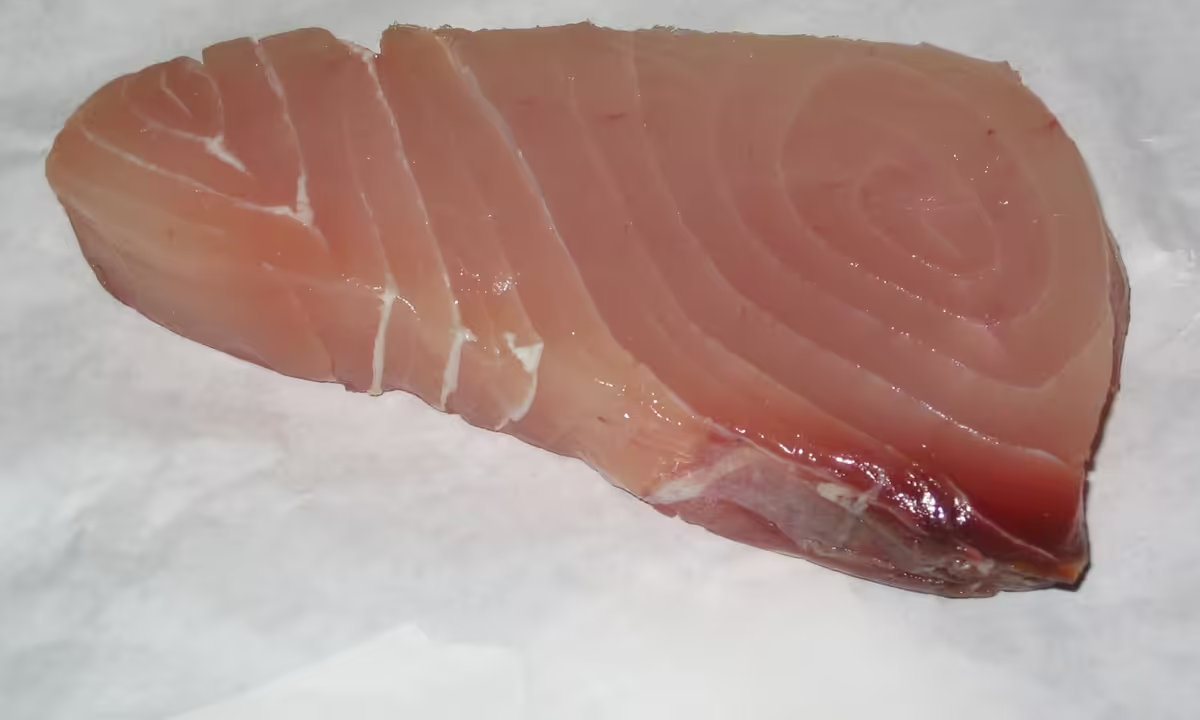
Freezing Seafood
Seafood freezes well but ages faster than any other protein — lean white fish keeps its best quality for only two to three months, and fatty fish shorter still. Much of the fish sold as "fresh" was previously frozen, so buying frozen and thawing slowly is often the quality move. Fish quality is a race against its own fat. Polyunsaturated fish oils oxidize in the cold, which is why mackerel and sardines fade in weeks where cod holds months — and why the boats that catch them freeze at sea. The single best technique in this group is the ice glaze: dip the fish in ice water to build a protective shell of ice, repeat, then bag. It locks out air and buys real weeks of quality. Shellfish adds handling rules of its own: purge and clean before freezing, keep bivalves alive until freezing where the law and the fishmonger allow, and treat thawed shrimp as a same-day ingredient. The cards cover fin fish lean and fatty, whole fish and fillets, smoked and cured seafood (which keeps differently — salt changes the picture), cooked seafood dishes (chowders, crab cakes), and the shellfish bench: shrimp, scallops, mussels, clams, oysters, crab, and lobster, each with its own thaw-and-use rhythm. Sushi-grade fish gets its own card with the strictest rules on the site. The safety frame: raw seafood thaws in the refrigerator, on a rack so it never sits in its own melt-water, and it never returns to the freezer raw once thawed. The windows here are shorter than meat's because the same chemistry that makes fish delicious makes it fragile — the 0 °F / -18 °C safety rule holds, and the month numbers are about eating well, not staying safe.