Can You Freeze Lobster?
Lobster is rarely cheaper than the day you bought it, which tempts every bulk buyer toward the freezer. The honest answer: freeze the meat, not the memory — shelled, cooked meat keeps well enough for rolls and pasta, if not the trophy plate.
Also called: lobster tails · cooked lobster · lobster meat · whole lobster
Changes — cooked lobster meat freezes acceptably for 2–3 months once out of the shell, but it loses snap; fresh is the celebration.
How to freeze lobster
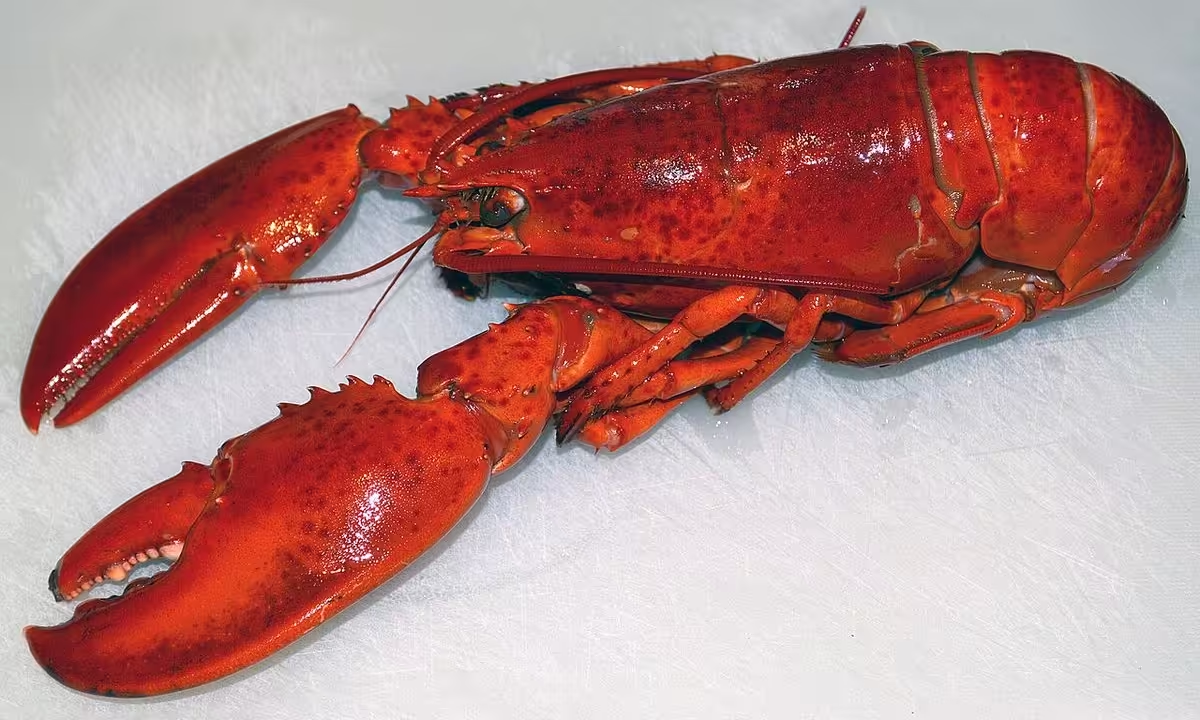
Cook, chill, then pick the meat and freeze it in vacuum bags or rigid containers — shells removed. Whole cooked lobsters thaw unevenly and the meat in the shell can pick up off flavors; it deserves better.
Before it goes in
- Cook the lobsters fully and chill them quickly before any freezing.
- Pick all the meat from claws, knuckles, and tails; keep the pieces large.
- Pack the meat into vacuum bags or rigid containers with minimal air space.
- Add a spoonful of cooking brine if you are not vacuum-sealing.
- Label and freeze at once — quality follows speed.
Containers & wrapping
Vacuum-sealed bags are best; otherwise rigid containers topped with brine. Freeze tails whole if you like — they hold their shape better than chopped meat.
Freezer storage
2–3 months
Tail meat keeps its bite slightly longer than claw. The sweet sea flavor dims after two months, so schedule the lobster rolls early.
Nothing spoils while lobster is genuinely frozen. Held at 0 °F / -18 °C it is safe indefinitely, and the date on the bag tracks flavor and texture rather than danger.
How to thaw lobster safely
Thaw in the refrigerator overnight, then serve chilled or warm gently — lobster turns rubbery under hard reheating. Steam briefly or fold into hot dishes off the heat.
Can lobster survive a second freeze in practice?
Not recommended. Lobster meat toughens and dries on a second freeze; thaw only what you will eat within two days.
Texture & flavor changes
Expect firmer, slightly chewier meat and a mild loss of sweetness. In a buttered roll or a risotto the difference is academic; served plain with lemon, fresh wins.
Best uses after thawing
Where thawed lobster shines:
- Lobster rolls
- Risotto
- Mac and cheese
- Bisque
- Pasta
Which version is going in the freezer?
Whole tails in the shell are the easiest to freeze and the most elegant to thaw — steam gently and split. Picked mixed meat is more useful for rolls and pasta; freeze it flat for fast thawing.
Caveats worth knowing
- Freeze cooked lobster only; raw lobster in the shell thaws unevenly and the meat seizes.
- Meat left in the shell can pick up bitter, boggy notes over months in the freezer.
- Reheat gently — boiled-from-frozen lobster meat turns to rubber, a quality crime with no cure.
Freezing lobster: FAQs
Can you freeze cooked lobster?
Yes — but pick the meat out of the shell first. Cooked lobster meat freezes well for 2–3 months in vacuum bags or airtight containers. Thaw overnight in the refrigerator and warm gently; it is best in rolls, pasta, and bisque.
How long can you freeze lobster tails?
Cooked tails keep best quality for 2–3 months frozen. Solidly frozen at 0 °F they stay safe longer, but the texture stiffens and the sweetness fades, so earlier is better.
Can you freeze a whole cooked lobster?
You can, but it is not the best route — meat left in the shell can pick up off flavors and thaws unevenly. Pick the meat after cooking, freeze it airtight, and you will have better lobster later.
The details that decide it
Lobster protein unfolds in the freezer, which is why the industry adds cryoprotectants
The reason commercial lobster is often packed in a solution rather than frozen plain is written into the protein chemistry. Studies of lobster meat during freezing and frozen storage describe the myofibrillar proteins unfolding and turning their non-polar regions outward, so that groups which were happy facing the water now face each other and stick, driving aggregation. Aggregated protein cannot hold water the way the folded original did, which is why the texture firms and the meat weeps. Commercial blends work by interrupting that process rather than by changing the temperature, and the standard industrial choice has long been a phosphate such as sodium tripolyphosphate. This is the same failure described across frozen muscle, and it is why the difference between a good frozen lobster and a poor one is often the brine it sat in, not the freezer it went into.
- Myofibrillar proteins unfold and expose non-polar regions when frozen.
- The exposed regions attract each other, leading to protein aggregation.
- Aggregated protein holds less water, so the meat firms and weeps.
A year at minus eighteen is measurable on both the tail and the claw
Lobster is a high-value product, so the storage question is settled with real numbers rather than impressions. One study compared cryoprotective blends against the traditional industrial phosphate across a full year of frozen storage and then thawed the samples slowly at four degrees for a day before sensory and chemical testing, measuring moisture content and following compounds such as the breakdown products that signal oxidation and nucleotide loss in tail and claw meat separately. The point that survives for a home cook is that storage time leaves a chemical fingerprint on this meat that a panel can taste, and that the tail and the claw do not necessarily carry it equally. A well-made frozen lobster is a damaged but controlled product, not a fresh one.
- A one-year frozen trial measured moisture and oxidation in tail and claw.
- Samples were thawed slowly at four degrees before sensory testing.
- Tail and claw meat do not necessarily age at the same rate.
The thaw, rather than the storage, is where a lobster loses its water
A long freeze sets the conditions, but a lobster usually surrenders its juice as it warms. Reviews of fish handling note that traditional thawing, in air or water, is slow and produces the most drip, and that the fluid leaving carries dissolved nutrients with it, so the loss is not only volume. The mechanism is the one that follows every protein that has aggregated in storage: the water the folded protein once held has nowhere to reattach, so it drains as the ice melts. For lobster this is compounded by the fact that the meat is already surrounded by the brine it was packed in, which will take up water it has lost. Thawing a lobster cold and slowly, out of its liquid, is how you hold on to what the freezer has already weakened.
- Slow traditional air or water thawing produces the most drip.
- Thaw drip carries dissolved nutrients out, not just water.
- Aggregated protein has nowhere to reattach the water as the ice melts.
Related foods