Can You Freeze Clams?
Clams are the practical bivalve: hardy, forgiving, and honest in the freezer. Shuck them into their own liquor and they return ready for chowder and linguine — the shells, meanwhile, are better saved for the stockpot than the freezer.
Also called: fresh clams · littleneck clams · shucked clams · cherrystone clams
Yes — clams freeze well for 2–3 months shucked in their liquor; scrub, sort, and shuck first, then cook them thoroughly.
Best way to freeze clams
Soak away the grit, shuck, and freeze the meats in their liquor in rigid containers — or tray-freeze and bag flat for easy portioning. The liquor is the best part; keep it.
Before it goes in
- Soak the clams in cold salted water for an hour to spit out sand.
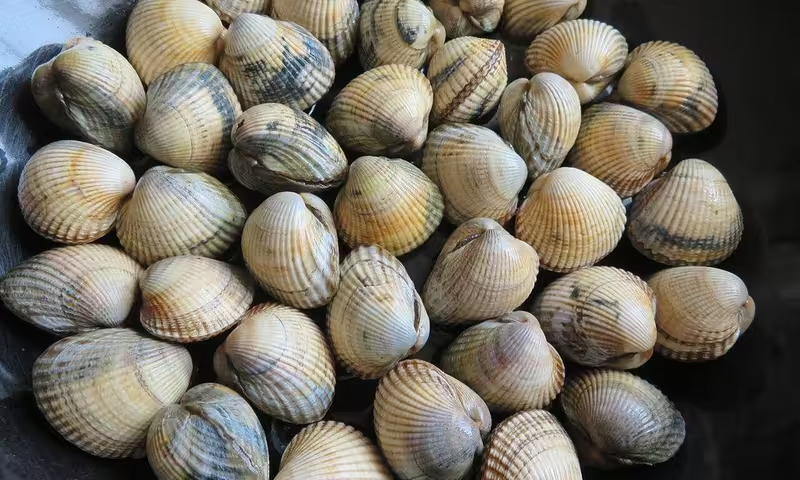
- Scrub the shells and discard any clam that stays open when tapped.
- Shuck over a bowl to catch every drop of liquor.
- Pack the meats into containers with the liquor, or tray-freeze and bag.
- Label with the date — thawed clams cook fast.
Containers & wrapping
Rigid freezer containers keep the meats submerged in liquor; flat bags save space after tray-freezing. Strain the liquor if any grit hides in it.
Freezer storage
2–3 months
Thawed clams stay tender in chowder longer than they do solo — plan dishes accordingly. The liquor is the best part; never toss it.
Read the window on clams as advice, not a warning. At 0 °F / -18 °C it is safe to eat at any age; 2–3 months is simply where the flavor and texture are worth the most.
Thawing clams: the method
Refrigerator-thaw overnight in a covered bowl. Use promptly and cook thoroughly — steamed into a dish is ideal, and the liquor goes into the pot with them.
Can you return clams to the freezer after thawing safely?
No. Once-thawed clams should be cooked the same day; refreezing costs texture and adds risk to a delicate shellfish.
Texture & flavor changes
The meats firm down slightly and release liquid, which is why chowders and sauces suit them better than raw presentation. The brine flavor holds; the pop does not, entirely.
Best uses after thawing
Where thawed clams shines:
- Chowder
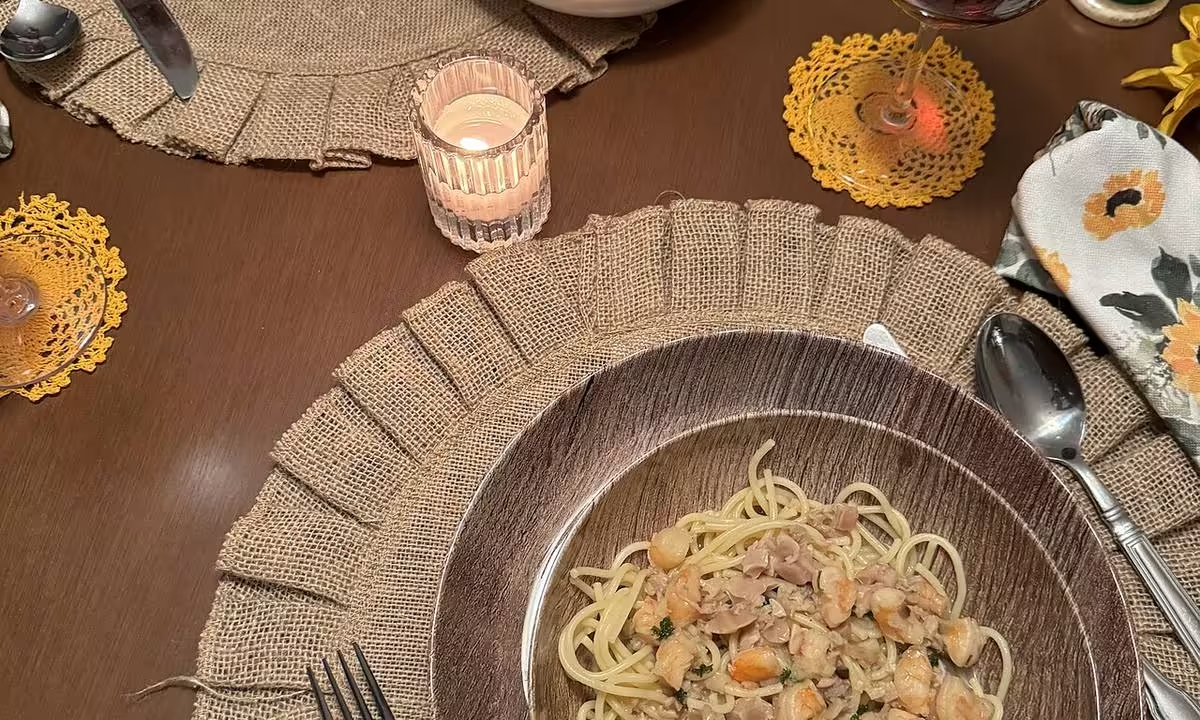
- Linguine
- Paella
- Seafood stock
- Stuffings
Which one are you freezing?
Shucked meats in liquor are the dependable choice — predictable thawing, no shell drama. In-shell clams freeze adequately but many pop open and lose liquor; save the shells for stock.
Caveats worth knowing
- Only freeze clams that were alive when you started — open shells that never close are out.
- Sand hides inside; the saltwater soak before shucking is not optional.
- Cook thawed clams thoroughly — freezing is not a kill step for anything.
The questions clams raises
Can you freeze fresh clams?
Yes — soak to purge the sand, scrub, and discard any that stay open, then shuck and freeze the meats in their liquor for 2–3 months. Thaw in the refrigerator and cook thoroughly; chowder and pasta are their best second act.
How long can you freeze clams?
Two to three months for good quality. They remain safe while solidly frozen, but the meats gradually soften and weep, so earlier cooking is tender cooking.
Can you freeze clams in the shell?
You can, though many shells gape and drain their liquor on thawing. If you go this route, freeze them alive and tightly closed, then cook from frozen by steaming — and expect a few duds.
Related foods