Freezing Herbs & Aromatics
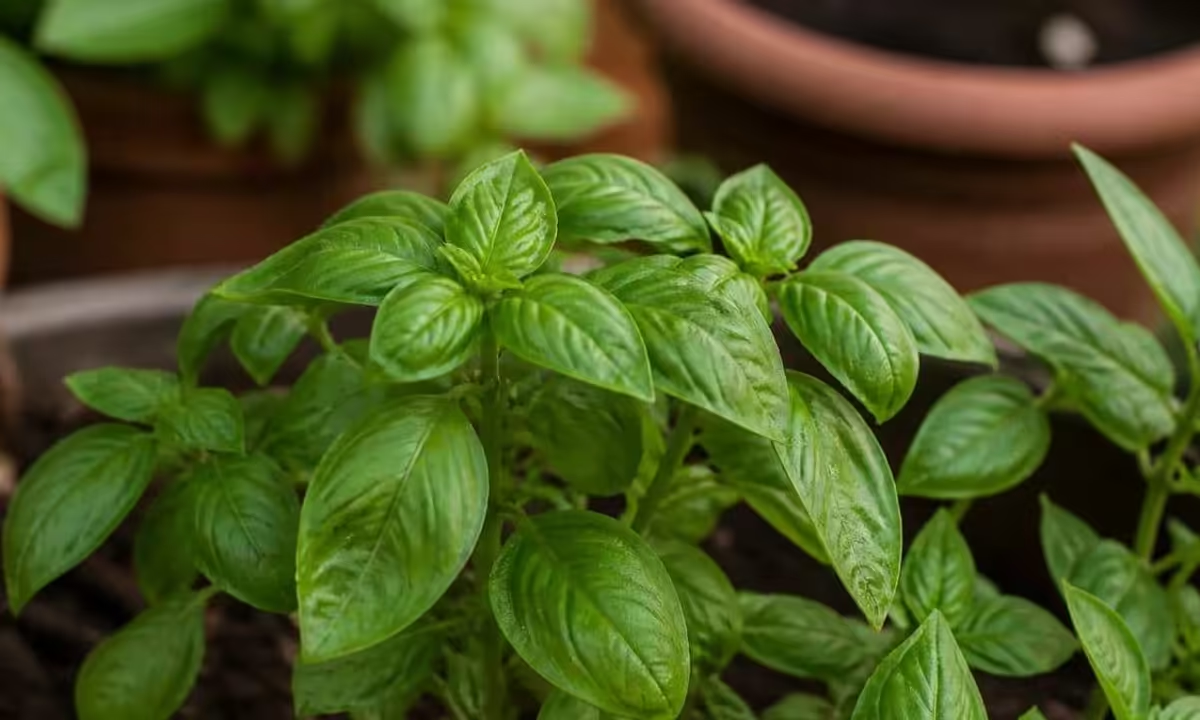
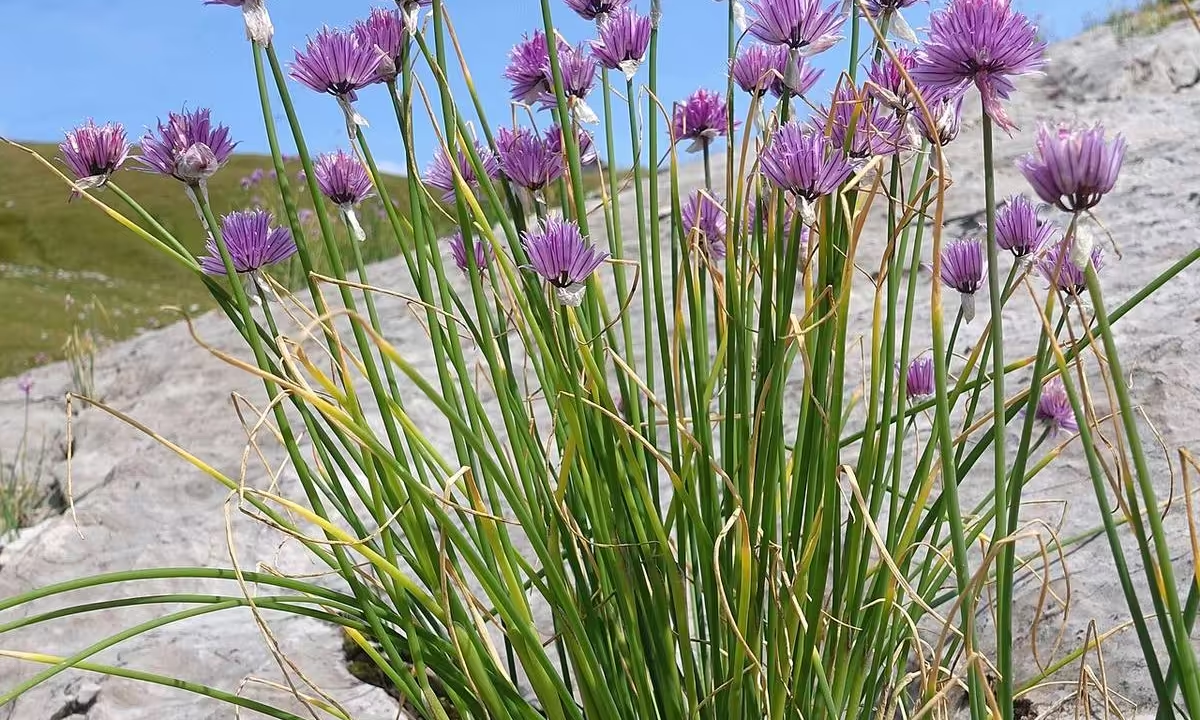
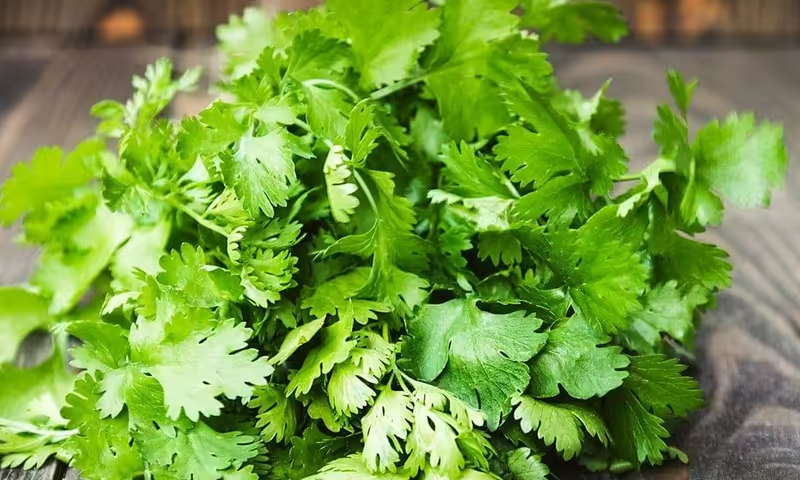
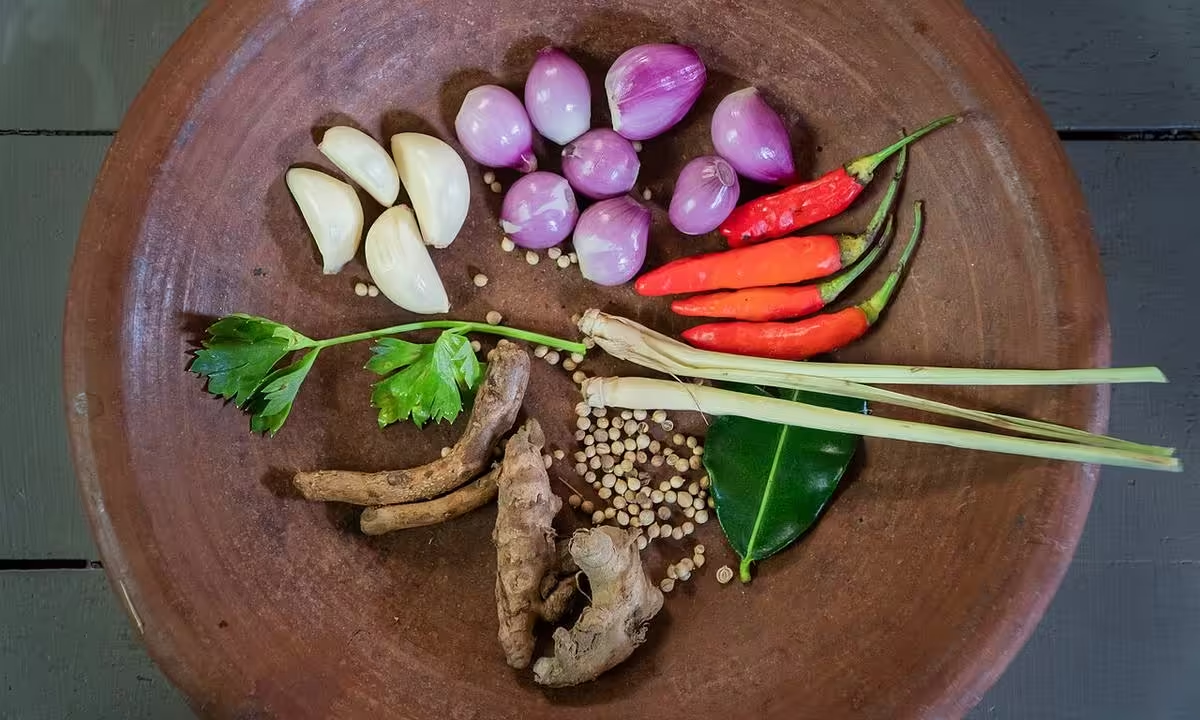
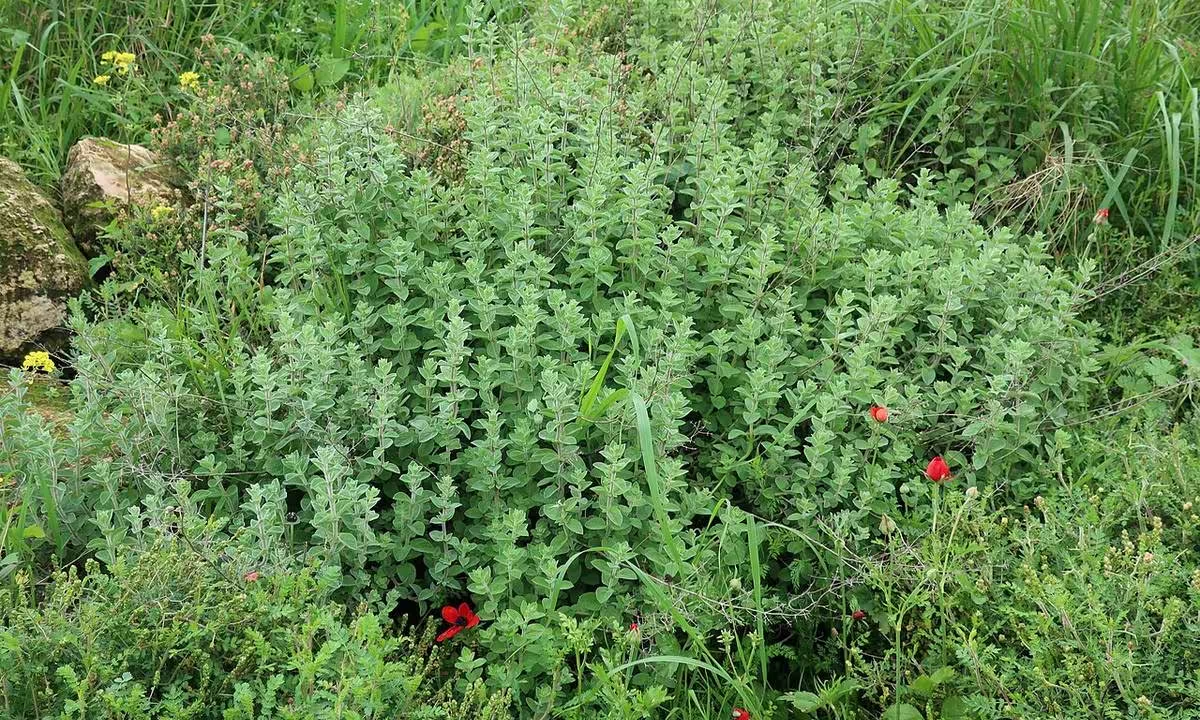
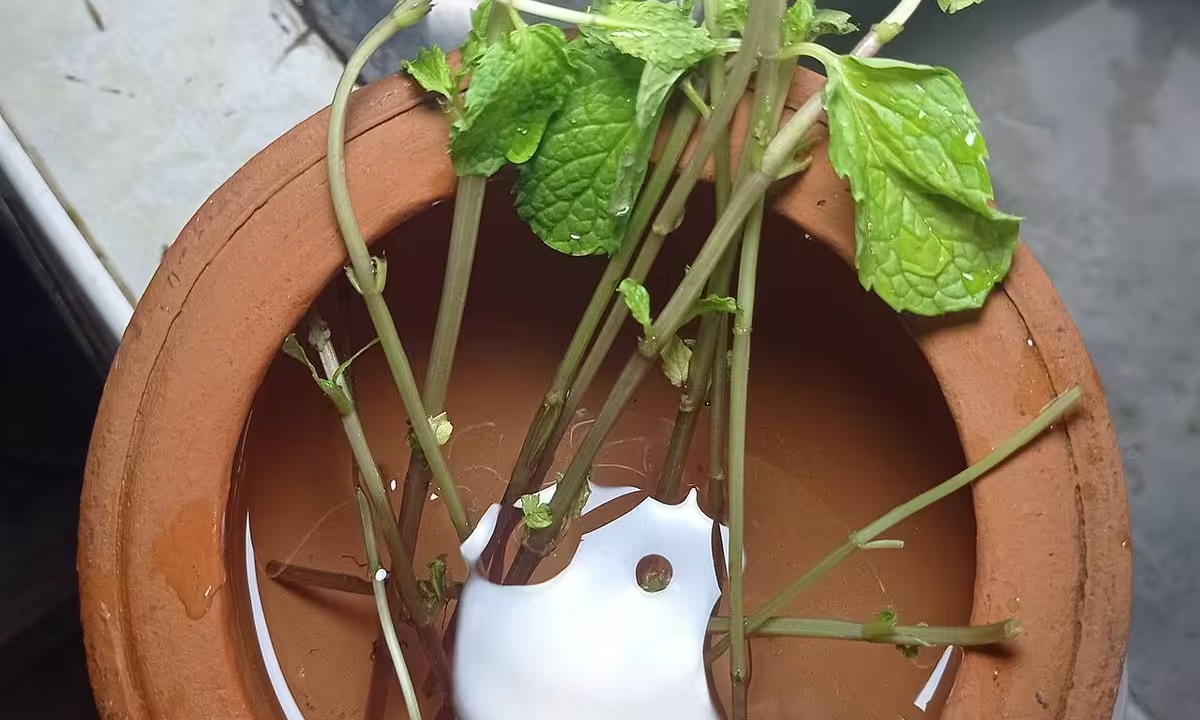
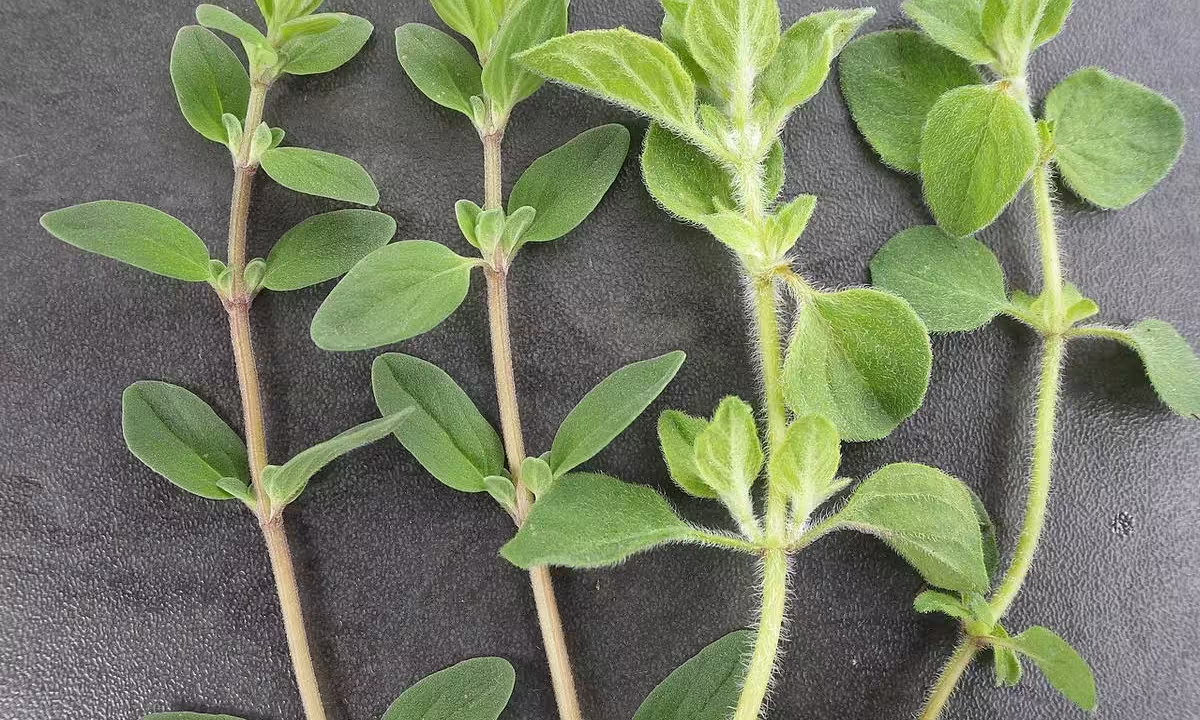
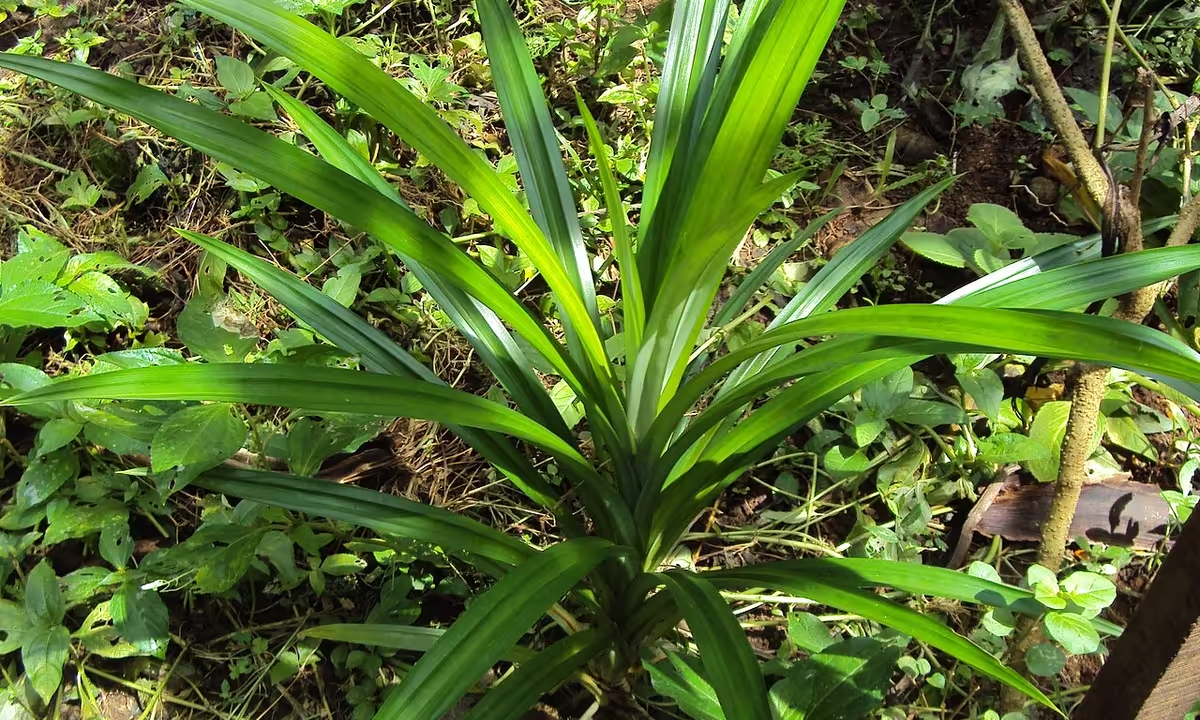
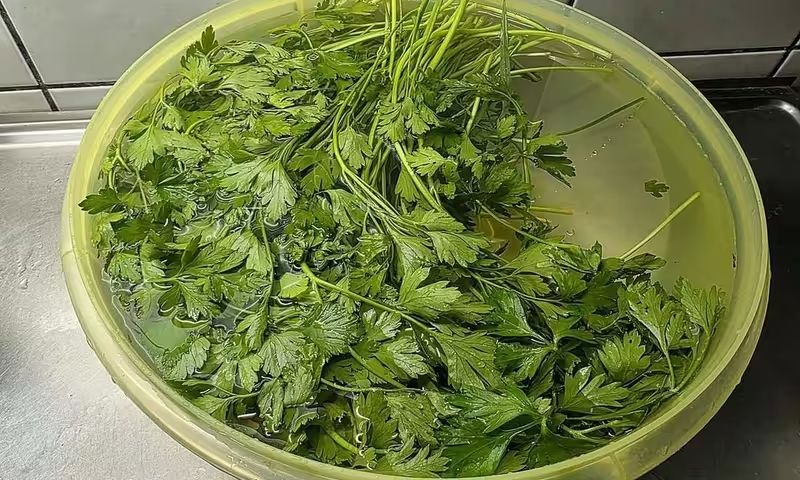
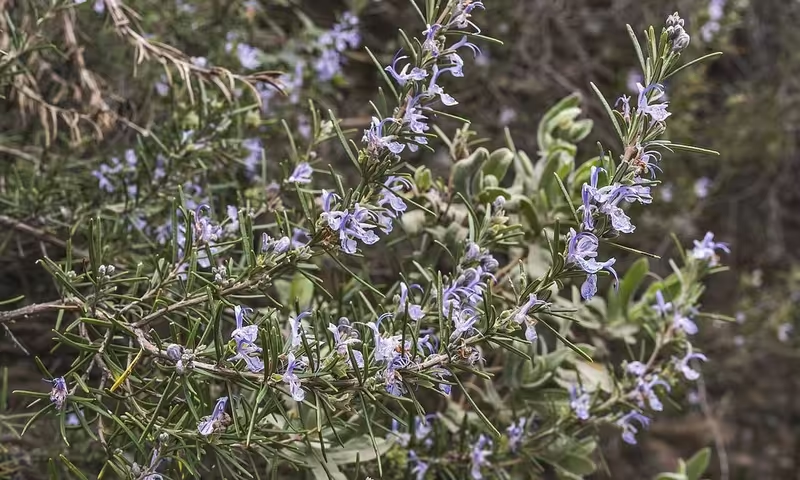
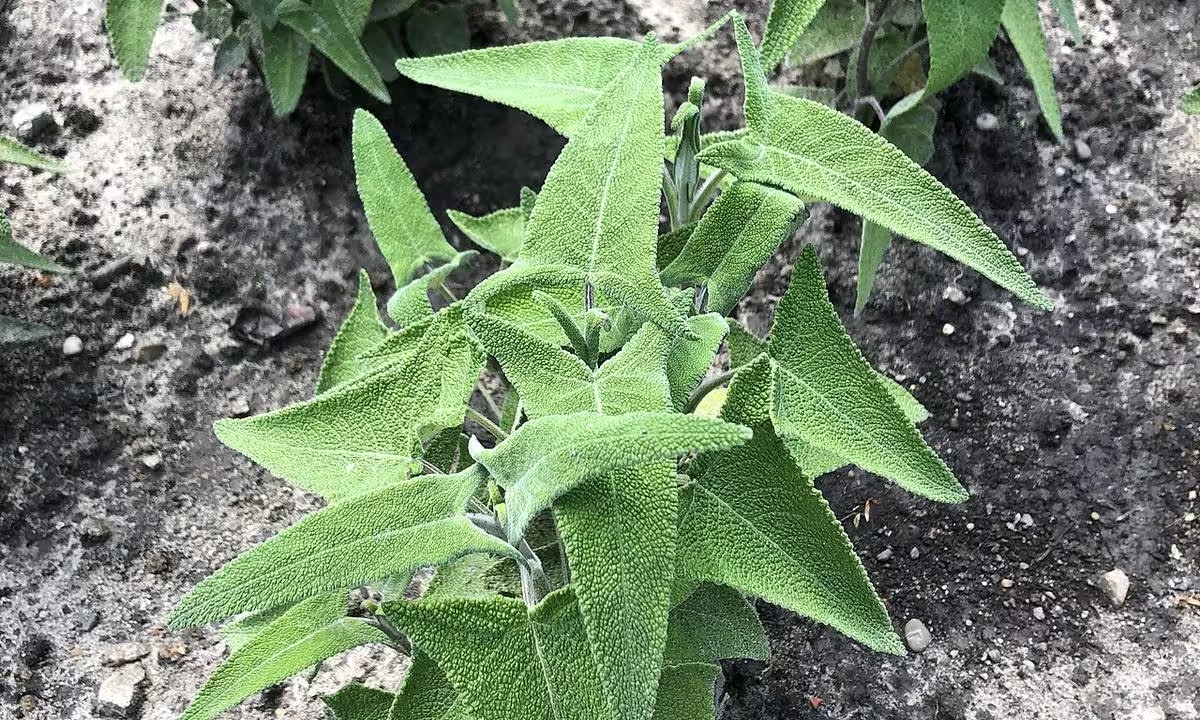
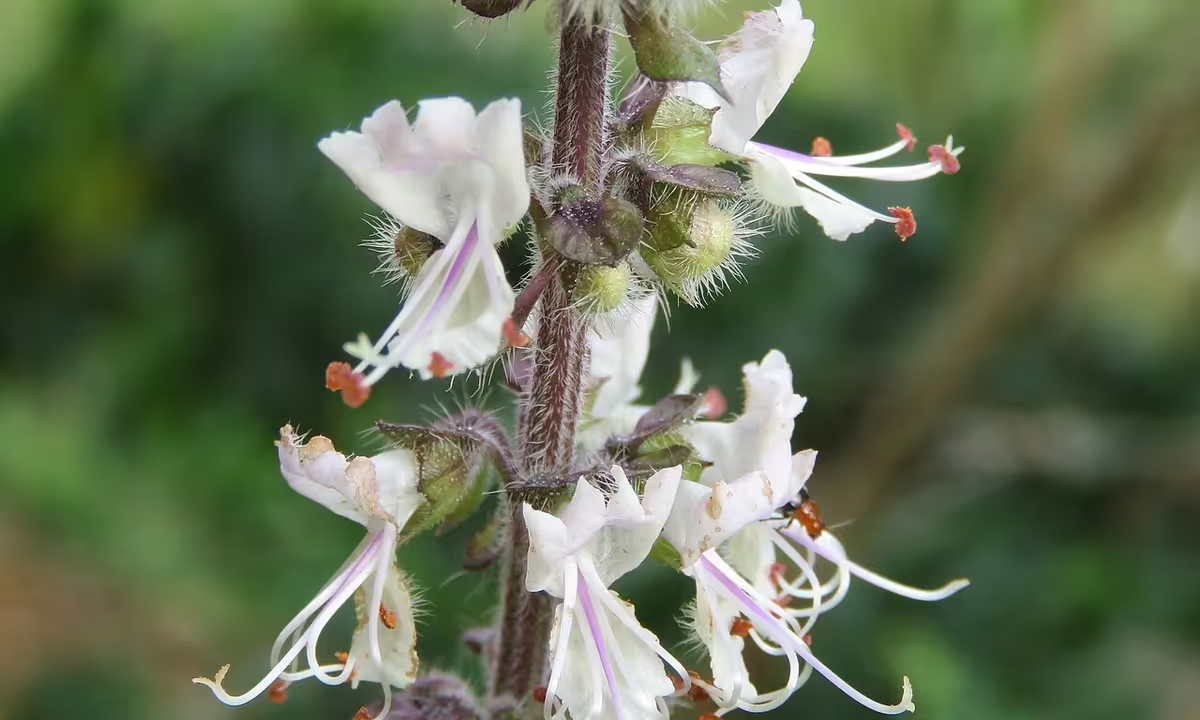
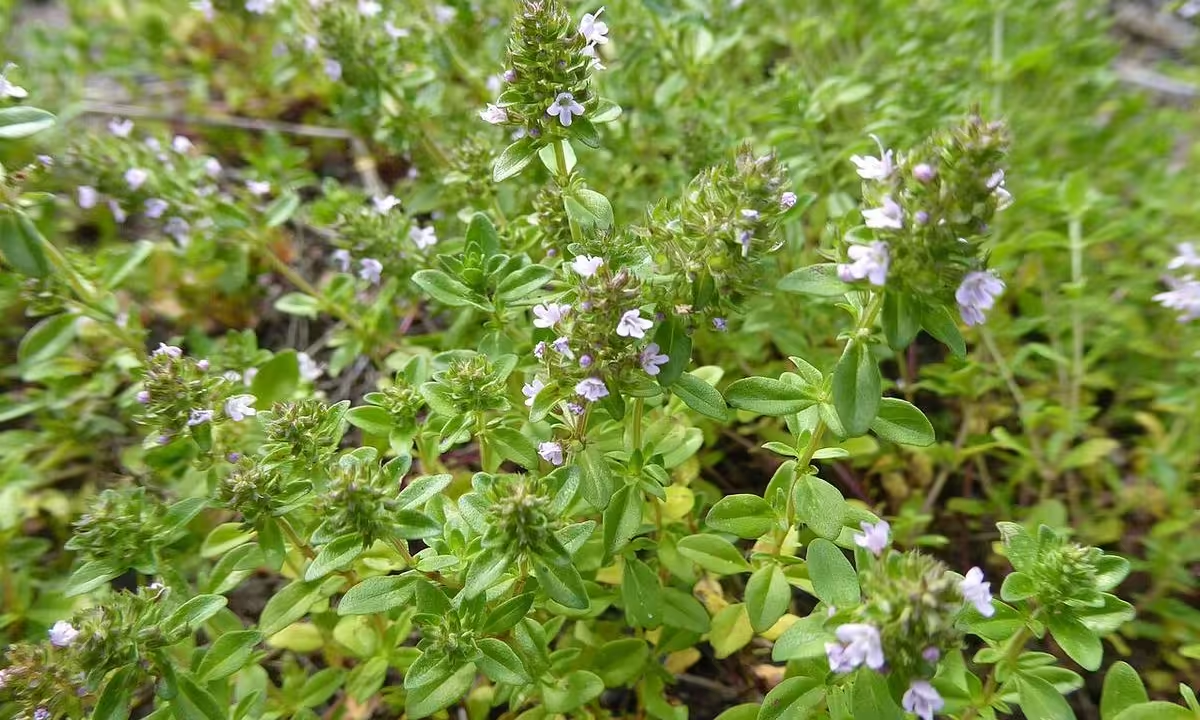
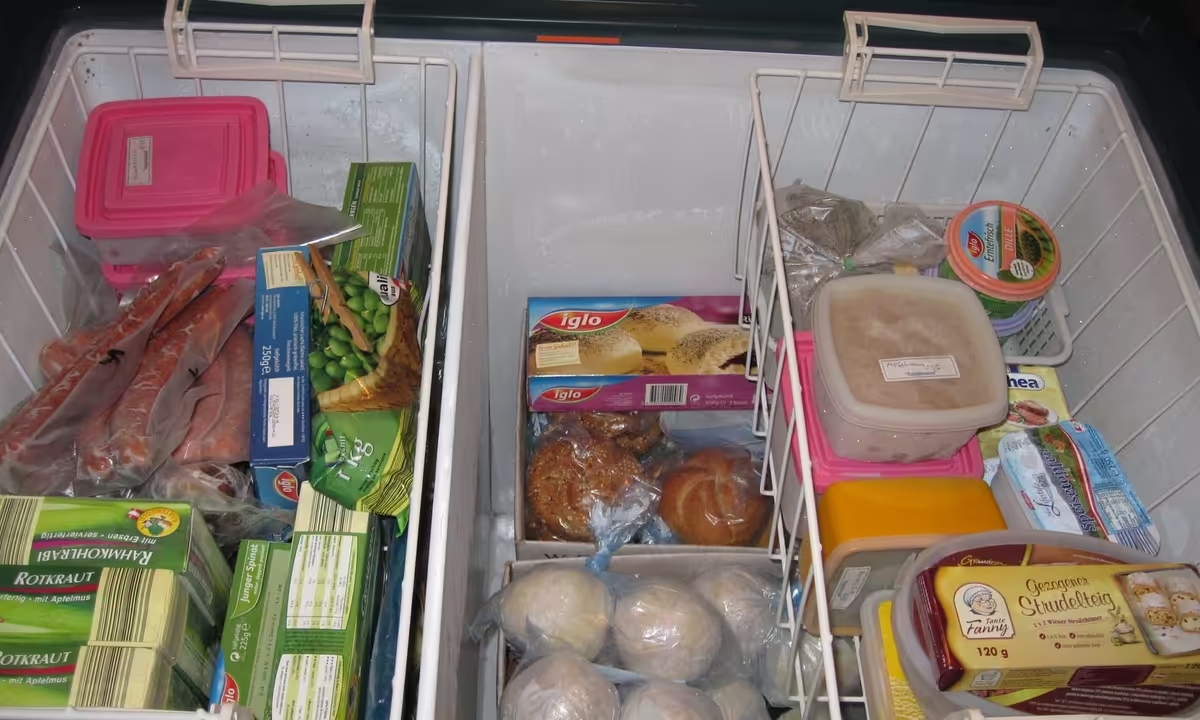
Herbs split into two camps when frozen. Sturdy, low-moisture herbs — rosemary, thyme, sage — freeze almost as-is and can go straight into the pot. Tender herbs like basil and cilantro blacken if frozen dry, but blitz them with oil or water in an ice-cube tray and their flavor comes back bright for cooking. The camps matter because of water content and cell structure. Sturdy herbs carry little water in tough, resinous leaves, so ice crystals have nothing to shatter — bag them whole, crumble from frozen, done. Tender herbs are mostly water in delicate tissue; frozen dry, they emerge dark and limp, which is exactly why the oil-cube method exists: puree the leaves with olive oil, freeze in trays, and each cube drops into a pan as bright as the day it was picked. The oil also protects against freezer burn and oxidation — it is chemistry working for you, not a hack. Beyond the leafy herbs, this group is the aromatics pantry: ginger (frozen, it grates finer than fresh and peels like a dream), garlic (peeled cloves or paste in oil — with the card carrying the refrigerated-garlic-in-oil botulism warning the site treats as non-negotiable), chiles and chile pastes, lemongrass, and scallion tops cut into ready-to-throw rings. Herb butters and pesto-adjacent pastes round out the group — they freeze into flavor disks that upgrade a weeknight in seconds. The honest limits: frozen herbs are cooking herbs, not garnish — no thawed basil was ever a caprese topper. Windows are shorter than most groups (three months for most cubes, six for sturdy whole herbs) because volatile oils fade; the cards date-stamp that honestly. Everything here freezes at the standard 0 °F / -18 °C, and none of it is ever unsafe when frozen — the only failure mode is flavor loss, which the cards measure precisely so you use each herb while it still tastes like itself.