Can You Freeze Thyme?
Thyme may be the least demanding herb in the kitchen, and the freezer asks nothing more of it. Sprigs in a bag, sprigs in the pot — the tiny leaves barely register the cold and thaw into exactly the same savory hum.
Also called: fresh thyme · thyme sprigs · lemon thyme
Yes — thyme freezes on the stem with its flavor intact; frozen sprigs drop straight into stocks, stews, and roasts.
How to get thyme into the freezer
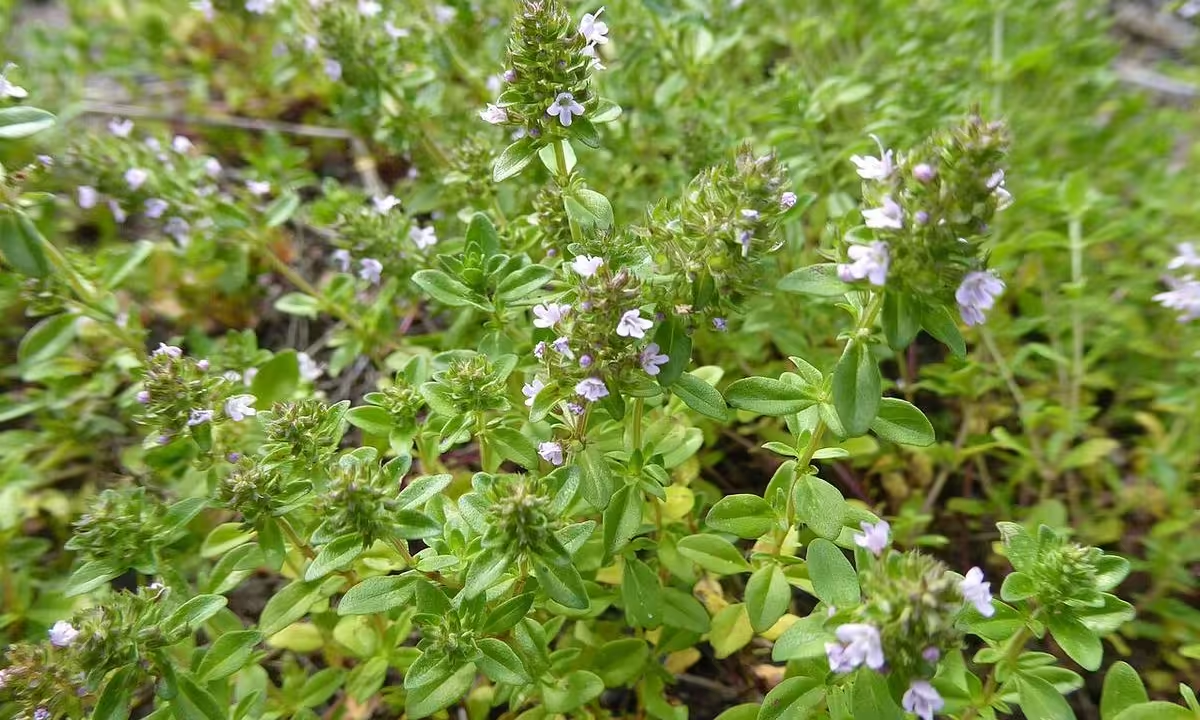
Freeze whole sprigs dry in a freezer bag, straight from a thorough drying. Frozen sprigs go directly into dishes whole; the leaves slip off the stem once thawed in the pan, and the bare stem fishes out easily.
Before it goes in
- Rinse the sprigs and spread them on a towel until fully dry.
- Discard any browned or bare woody stems; keep the leafy sections.
- Bag the sprigs flat with the air pressed out, or strip the leaves for a jar of loose frozen leaves.
- Label with the date — thyme and oregano bags look alike.
Containers & wrapping
A freezer bag is genuinely all thyme needs. For loose leaves, a small rigid jar lets you pinch out pinches without opening the whole stash.
Freezer storage
3–6 months
The flavor is a slow fader: bright for three months, still dependable at six. Old sprigs are never bad — just quieter — so add an extra sprig from aging bags.
A freezer at 0 °F / -18 °C is a safety off-switch for thyme. It stays safe for as long as it is solid, so the 3–6 months window on this page is a quality promise rather than a deadline.
The thawing rules for thyme
Unnecessary. Frozen thyme sprigs go straight into stocks, braises, and roasting pans, where they thaw in seconds and release their leaves. For vinaigrettes, thaw briefly and strip the leaves.
Should you refreeze thyme?
Yes, without fuss, if the bag stayed cold — thyme has no texture to lose. The only real enemy is condensation, so reseal quickly.
Texture & flavor changes
The leaves darken slightly and soften, but the earthy flavor survives nearly intact — thyme is one of the few herbs that returns close to itself. In anything simmered, frozen thyme and fresh are interchangeable.
Best uses after thawing
Where thawed thyme shines:
- Stocks and stews
- Roast chicken
- Braising
- Vegetable soups
- Compound butter
Caveats worth knowing
- Condensation is the only real threat: reseal the bag fast, or ice crystals form and dull the leaves.
- Frozen sprigs shed leaves into dishes sooner than fresh — fish the stems out earlier than you would with fresh.
- Very old thyme smells faint, not off; trust your nose but double the sprigs.
The questions thyme raises
Can you freeze fresh thyme sprigs?
Yes — rinse, dry completely, and bag the sprigs whole for three to six months. Use them frozen, straight into pots and pans; the leaves release from the stem as they thaw in the heat, and the bare stem lifts out easily.
How long does frozen thyme last?
Three to six months at peak flavor, safe longer. Thyme fades slowly and gracefully — an old sprig is mild, not spoiled. For dishes that depend on thyme, add an extra sprig as the bag ages.
Can you freeze thyme in olive oil?
Yes, and it is handy for quick pan sauces: strip the leaves, pack them with oil in ice-cube trays, and freeze. That said, sturdy thyme does not need the oil treatment the way tender basil does — dry sprigs keep better.
Related foods