Can You Freeze Sage?
With its thick, fuzzy, low-moisture leaves, sage shrugs off the freezer better than almost any herb. Frozen leaves fry up in brown butter almost exactly like fresh, which is the highest compliment a frozen herb can earn.
Also called: fresh sage · sage leaves · common sage
Yes — sage freezes whole and dry remarkably well; leaves go from freezer straight into brown butter and winter braises.
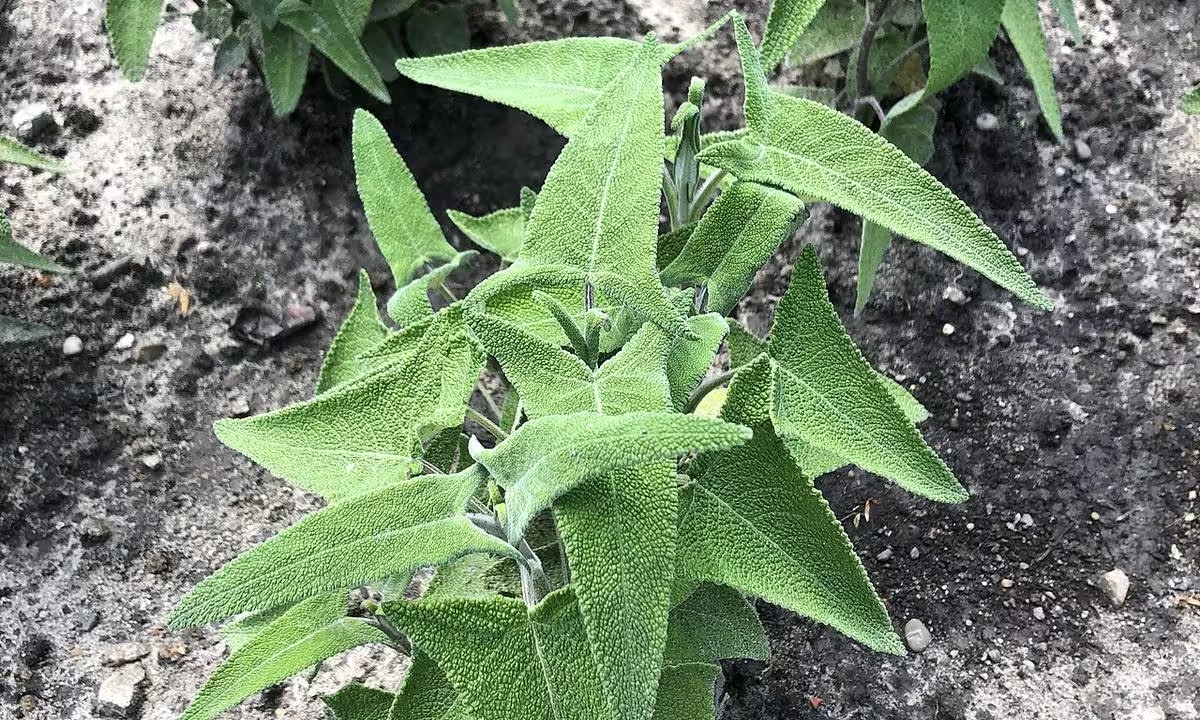
How to freeze sage well
Freeze whole, dry leaves in a rigid container or bag, layered flat so they do not crumble. They go straight from freezer to hot butter — frozen sage actually crisps beautifully because the ice helps the edges brown.
Before it goes in
- Rinse the leaves briefly and dry them thoroughly; wet leaves ice into a clump.
- Pull leaves from the woody stems and discard any spotted or torn ones.
- Layer them flat in a rigid container or bag, separating larger batches with parchment.
- For stuffing-season portions, chop some leaves coarse and freeze them in a small jar.
Containers & wrapping
Rigid containers protect the broad leaves from crumbling; bags work if laid flat. Chopped sage keeps in a small jar you can pinch from without thawing anything.
Freezer storage
3–6 months
The camphor edge softens over time, which most cooks count as an improvement — old frozen sage is mellower, not spoiled. Best in the first three months for frying.
Read the window on sage as advice, not a warning. At 0 °F / -18 °C it is safe to eat at any age; 3–6 months is simply where the flavor and texture are worth the most.
How to thaw frozen sage
Do not bother — frozen leaves go directly into hot butter, oil, or braising liquid. If a recipe wants chiffonade, let the leaves sit five minutes and slice while still firm.
Is refreezing sage allowed without risk?
Yes, within reason — sage is sturdy and dry, so a cold bag refreezes without drama. The leaves grow more brittle each cycle; keep them sealed against freezer odors.
Texture & flavor changes
The leaves darken slightly and lose some spring, but the flavor holds its earthy, slightly peppery character remarkably well. Fried from frozen in brown butter, they crisp at the edges and taste close to fresh — a rare herb endorsement for the freezer.
Best uses after thawing
Where thawed sage shines:
- Brown butter sauce
- Stuffing
- Braised dishes
- Butternut soups
- Sausage seasoning
Caveats worth knowing
- Sage absorbs freezer odors readily — double-bag it or keep it away from the fish drawer.
- Very old leaves turn papery and dull; crumble them into dishes rather than frying them whole.
- Do not wash-and-bag wet leaves — the ice clump shreds them when you pry it apart.
Sage: questions about the freezer
Can you freeze fresh sage leaves?
Yes — sage is one of the best herbs for it. Dry the leaves thoroughly, freeze them whole in a rigid container, and use them straight from the freezer in brown butter, braises, and stuffing. The flavor holds for three to six months.
How long does frozen sage last?
Three to six months at its best. Sage actually mellows pleasantly with freezing, losing some of its sharp camphor edge, so older leaves are fine chopped into dishes even when they are past their frying prime.
Can you fry sage leaves from frozen?
Yes — and many cooks prefer it. Frozen leaves hit hot butter straight from the freezer and crisp at the edges in seconds, much like fresh. Just watch closely; they brown faster because the ice flashes to steam.
Related foods