Can You Freeze Basil?
Basil is the herb that taught everyone the ice-cube trick — the hard way. Freeze the leaves dry and they return black and limp; blitz them with olive oil first and the flavor that comes back in February is startlingly July.
Also called: fresh basil · basil leaves · sweet basil · genovese basil
Yes with changes — frozen dry it blackens; blended with olive oil into cubes, basil comes back bright for cooking.
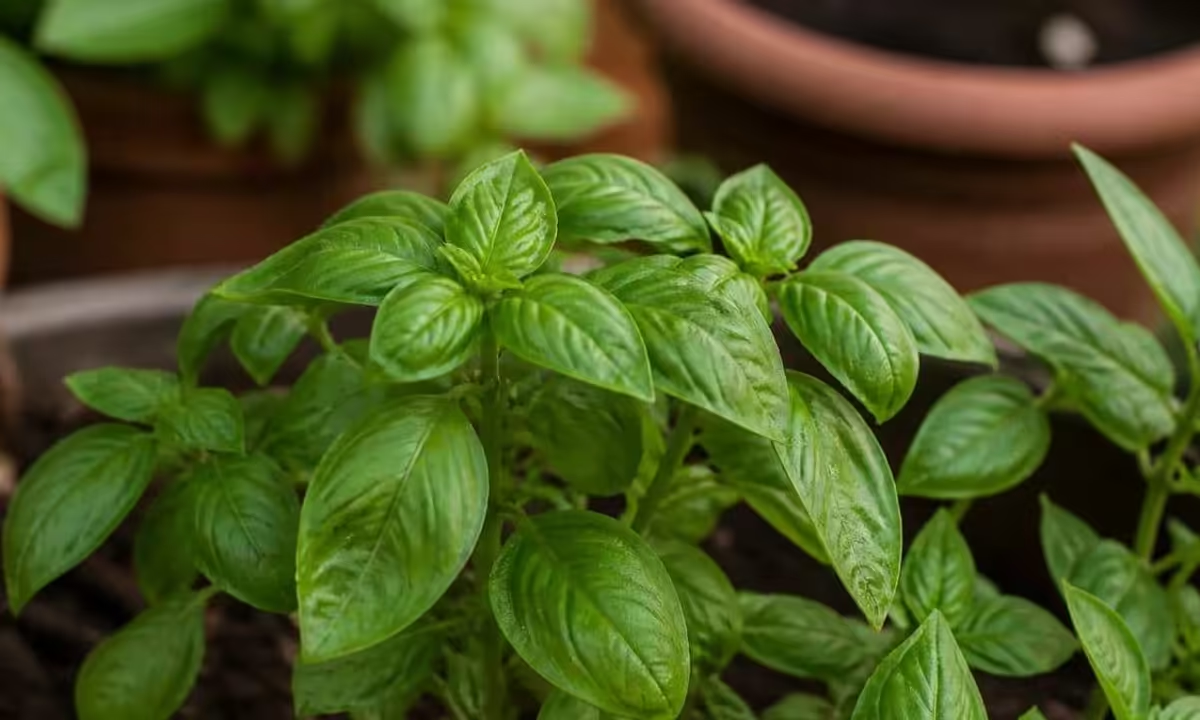
How to freeze basil
Blitz leaves with olive oil into a loose paste and freeze in ice-cube trays — each cube is a ready-made start for sauce, and the oil seals out the air that blackens basil.
Before it goes in
- Rinse the leaves and pat them completely dry; water makes icy, dull cubes.
- Strip the leaves from the stems — thick stems turn stringy and bitter.
- Pulse leaves with olive oil in a food processor until just coated and roughly chopped.
- Spoon into ice-cube trays, freeze solid, then transfer cubes to a labeled freezer bag.
Containers & wrapping
Ice-cube trays followed by freezer bags is the standard route. For pesto-style batches, small jars or flat bags with the air pressed out work — just keep plastic or oil touching the surface.
Freezer storage
3–4 months
Basil's perfume is the most fragile of the tender herbs; cubes are at their brightest in the first three months and merely good after that.
A freezer at 0 °F / -18 °C is a safety off-switch for basil. It stays safe for as long as it is solid, so the 3–4 months window on this page is a quality promise rather than a deadline.
How to thaw basil safely
Usually unnecessary — a frozen oil cube drops straight into a warm pan or sauce and melts in minutes. For dressings, thaw briefly in the refrigerator and stir well.
Can basil handle two trips through the freezer?
Not for thawed cubes — the flavor has nowhere to go but flat. Freeze in one-recipe portions and pull exactly what you need.
Texture & flavor changes
The texture is simply gone: thawed basil leaves are black, limp, and unsalvageable as garnish. But flavor carried in oil returns surprisingly bright — that is the entire trick. Cubes look dark green and taste of high summer in a hot pan.
Best uses after thawing
Where thawed basil shines:
- Sauces
- Pesto base
- Soups
- Pizza drizzle
- Braising liquid
Caveats worth knowing
- Never freeze dry basil leaves on their own — they blacken within days and thaw as slippery shadows.
- The oil method is not for garnish: no frozen basil ever looks fresh on a caprese salad.
- Olive oil stays cloudy and soft at freezer temperatures; cubes hold together but treat the trays gently.
The questions basil raises
Can you freeze fresh basil leaves?
Not dry, unfortunately — basil is too tender, and frozen leaves turn black and limp. The reliable method is to blitz the leaves with olive oil and freeze the paste in ice-cube trays. The flavor survives beautifully; only the texture is lost.
How long does frozen basil last?
Three to four months for peak flavor. Basil's aroma is the most delicate of the common herbs, so cubes fade faster than hardy ones. They stay safe longer, but bright is the whole reason you froze them.
Can you freeze basil to make pesto later?
Yes — and it is easier than freezing finished pesto. Freeze the basil-oil paste plain, without pine nuts and cheese, then blitz a thawed cube with those additions when you want pesto. The herbs stay brighter without the cheese in the freezer.
Related foods