Can You Freeze Parsley?
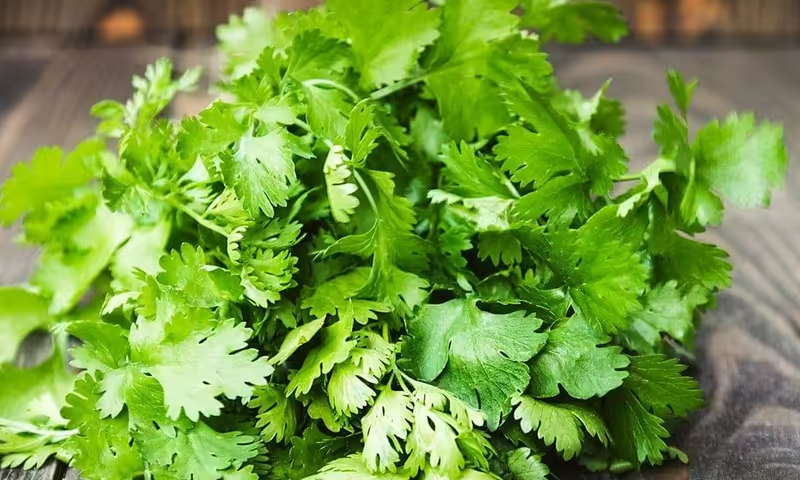
The workhorse bunch that goes slimy in the crisper drawer while you watch — that is parsley in every kitchen. It freezes with little drama: chopped into cubes for cooking, or dry-frozen loose if you only ever stir it into things anyway.
Also called: fresh parsley · italian parsley · flat leaf parsley · curly parsley
Yes with changes — parsley survives dry-freezing better than most tender herbs, but oil or water cubes keep the green brighter.
How to freeze parsley without spoiling it
Chop finely, pack into ice-cube trays with a little water or oil, and freeze; alternatively spread chopped parsley dry in a flat bag for spoonable portions. Either route, it is a cooking herb afterward, not a garnish.
Before it goes in
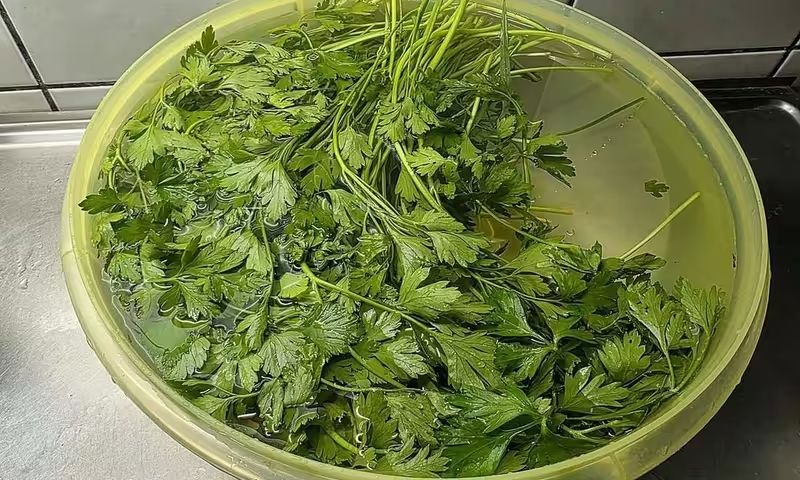
- Wash the bunch and dry it thoroughly — parsley holds water between the leaves.
- Strip the tender leaves; save the stems for stock instead of freezing them.
- Chop finely and pack into ice-cube trays with water or oil, or spread dry into a flat freezer bag.
- Lay the bag flat to freeze, then snap off pieces as needed for each dish.
Containers & wrapping
Ice-cube trays then bags for cubes; flat-laid freezer bags for dry-chopped portions. Both should be labeled — frozen parsley and cilantro cubes look identical once the trays are out.
Freezer storage
3–6 months
Color dulls faster than flavor; the green fades toward olive over months. Cubes are at their best in the first three; dry-frozen holds slightly longer.
Two temperatures, two meanings, on parsley: 0 °F / -18 °C keeps it safe indefinitely, while the 3–6 months window is where it still tastes like itself. Date the package and the two stay separate.
Thawing parsley: the practical method
No thawing needed — sprinkle frozen-chopped parsley straight into soups, sauces, and grains, or drop a cube into the pan. It thaws in a minute of cooking.
Can you re-freeze parsley without risk?
Not worth it — parsley is already at the subtle end of the herb spectrum, and a second freeze erases it. Freeze in small, ready portions.
Texture & flavor changes
Thawed parsley is limp and darker, with the fresh snap gone. The flavor survives respectably — less grassy, more quietly herbal — which suits garnish-free cooking perfectly. Dry-frozen chopped parsley looks better than cubes and crumbles straight from the bag.
Best uses after thawing
Where thawed parsley shines:
- Soups and stews
- Sauces
- Grain salads
- Meatballs
- Stock (stems)
Caveats worth knowing
- No frozen parsley will ever garnish a plate — keep a windowsill pot or buy fresh for finishing.
- Label everything: parsley, cilantro, and dill cubes are indistinguishable twins in the freezer.
- Chop before freezing; thawed whole leaves turn to wet rags you cannot cut cleanly.
Freezing parsley: common questions
Can you freeze fresh parsley without blanching it?
Yes — herbs never need blanching. Wash, dry, chop, and either freeze the chopped parsley dry in a flat bag or pack it into ice-cube trays with water or oil. Blanching would only cook the color out of it.
How long does frozen parsley last?
Three to six months for good flavor. Parsley holds up a bit better dry-frozen than in water cubes, but both stay safe well beyond their color's prime. Use the brightest cubes for dishes where green matters.
Can you freeze parsley stems?
You can, and they are best saved for stock rather than eating — the stems are flavorful but stringy. Freeze them in a bag and toss a handful into simmering stock or broth; strain before serving.
Related foods