Seafood spoils faster than any other protein, which is exactly why it takes to freezing so well — a fillet frozen the day you buy it is fresher in week three than “fresh” fish at the counter. But fish is delicate, oily, and quick to pick up off flavors, so the techniques matter more here than with meat. Two of them — glazing and speed — do most of the work.
Fat is the clock
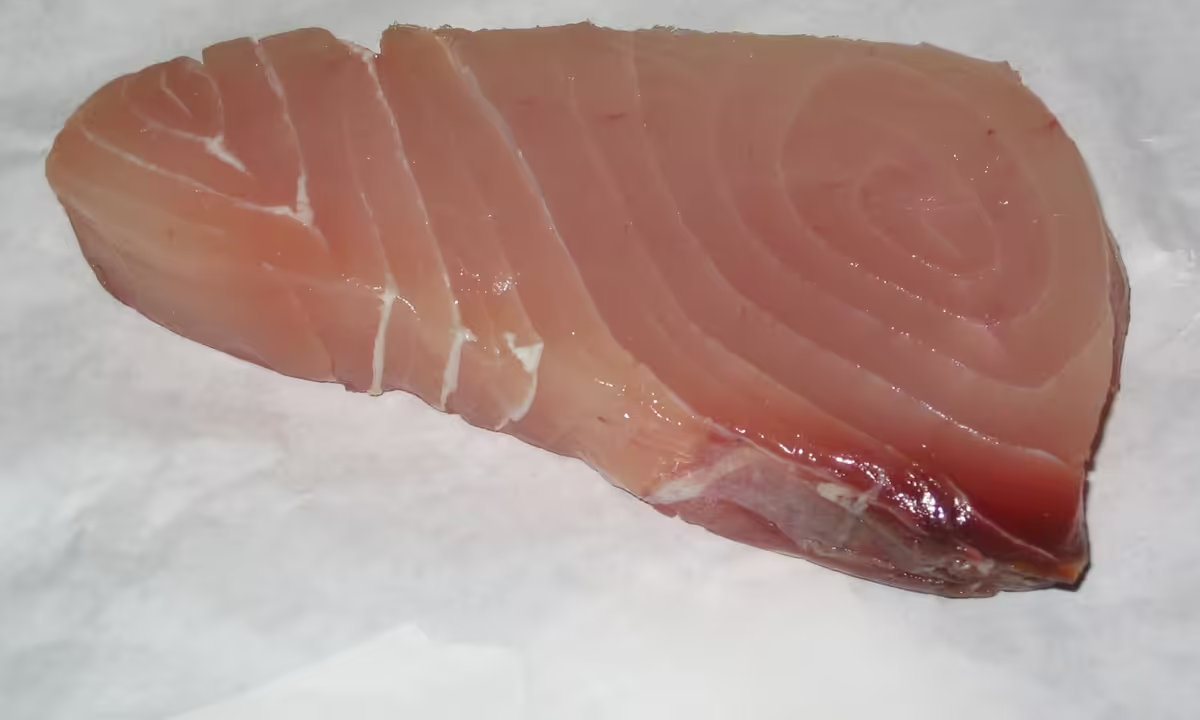
Fish divides cleanly into two camps. Lean fish — white-fleshed like cod and tilapia — freezes clean and holds quality for four to six months. Fatty fish has oils that oxidize in the freezer, so its window is shorter: two to three months for best flavor, which covers salmon, tuna, and the other oily species. The fish doesn’t become unsafe at the edge of either window; the fat just starts tasting like the inside of a freezer. Buy fish, freeze it fast, and eat the fatty stuff first.
Glazing, the fishmonger’s trick
Glaze is a thin coat of ice applied directly to the flesh, and it’s the best armor against freezer burn ever invented:
- Freeze the fillet unwrapped on a tray until firm.
- Dip it in ice-cold water for a few seconds — it frosts over.
- Back on the tray to refreeze; repeat once or twice for a thicker shell.
- Bag and label.
The glaze sublimates (slowly turns to vapor) instead of letting the fish dry out. Home freezers make slightly foggy glazes compared to commercial equipment, but the principle holds: ice where the air would be. If glazing feels like a project, a tight wrap plus a second bag gets you 80 percent of the way. It’s the same air-vs-surface logic that governs meat — the difference is that fish flesh is softer and its fats go rancid sooner, so the margins for sloppy wrapping are thinner.
Portions, skins, and packing
Freeze fish in the portions you cook. Two fillets per bag for a couple, individually wrapped pieces for solo suppers. Skin-on freezes slightly better than skinless — the skin shields the flesh. Press every bit of air from bags; fish is the food most likely to taste like its packaging. Label with species and date, because at -18 °C a cod fillet and a tilapia fillet are indistinguishable.
Shellfish prep
Each shellfish has its own small ritual. Shrimp freezes beautifully raw — shell-on holds texture best, but shell-off is more convenient; freeze them open on a tray so they stay loose, and expect three to six good months. Scallops want the driest possible packing; wet-packed scallops turn spongy, so pat them dry, tray-freeze, and bag. Mussels and clams freeze best live, in the shell, and only if you catch them alive-and-closed before they go in — scrub, debeard the mussels, bag, and use within a couple of months; they open up dead after thawing and are for cooking that same day. Oysters shuck and freeze in their own liquor; they’ll be for stews and frying, never the raw bar. Cooked crab and lobster freeze in their shells for a couple of months — the meat dries out faster shucked, so leave shells on and pick after thawing.
Smoked, canned, and coated
Smoked salmon freezes fine for a couple of months — slice portions between wax paper first so you can pull a few slices at a time. Canned tuna is already shelf-stable; the freezer adds nothing, so keep the cupboard for it. Breaded fish sticks and similar coated products are designed for the freezer — keep them sealed against frost and bake from frozen, never thawed, or the coating slides off.
Cook from frozen, often
Here’s the part that surprises people: you don’t have to thaw most fish. Lean fillets an inch or less thick cook straight from frozen — rinse off any frost, pat dry, oil and season, and add a few minutes to the cook time. Salmon and cod both take to it well. From-frozen fish is also safer from a handling standpoint: less time in the danger zone, less drip on your counter. For dishes where you need raw-fish handling — ceviche, curing — thaw overnight in the fridge instead.
A few practical from-frozen notes: sear glazed fillets gently at first so the ice cooks off before the flesh browns; poach or steam when you’re unsure, since gentle heat forgives everything; and bread fish at home only after a partial thaw, because coating won’t stick to ice. Shop-bought breaded products are engineered to bake from frozen — leave those alone and they’ll behave.
The line that isn’t negotiable
Never refreeze fish that thawed at room temperature, and never refreeze raw fish thawed outside the fridge — cook it, then freeze the cooked result if you must. And one honest note on sushi: eating fish raw requires parasite-killing temperatures colder than most home freezers run, so sushi made at home should use properly graded fish, not a weekend catch. Thawing details live in how to thaw frozen food safely, and each card in our seafood collection has its own window and verdict. If you’re cross-shopping the butcher counter too, the wrap rules in how to freeze meat and its meat cards run parallel to everything here.
Related: Meat follows the same wrap-first logic with longer windows — how to freeze meat has the table. For the full quality-window picture, see how long food lasts in the freezer, and foods that freeze well shows where fish sits among the freezer’s favorite tenants. Per-species cards are indexed on the seafood shelf.
Underneath all of it sits the standing rule: seafood held solidly at 0 °F / -18 °C remains safe while frozen — the short windows on these cards measure the fragile, delicious quality that makes fish worth eating, not its safety.
Sources
Sources: USDA FoodKeeper fish and shellfish entries; FSIS seafood-freezing guidance; FDA advice on seafood handling and the sushi-grade note.