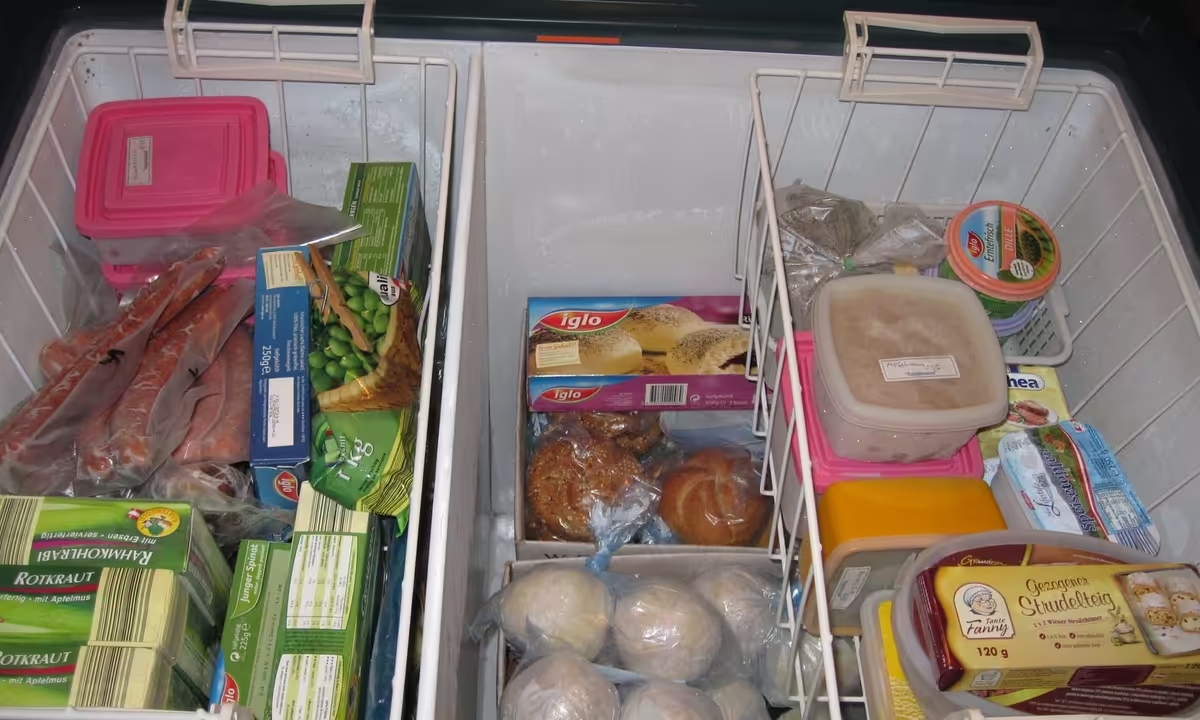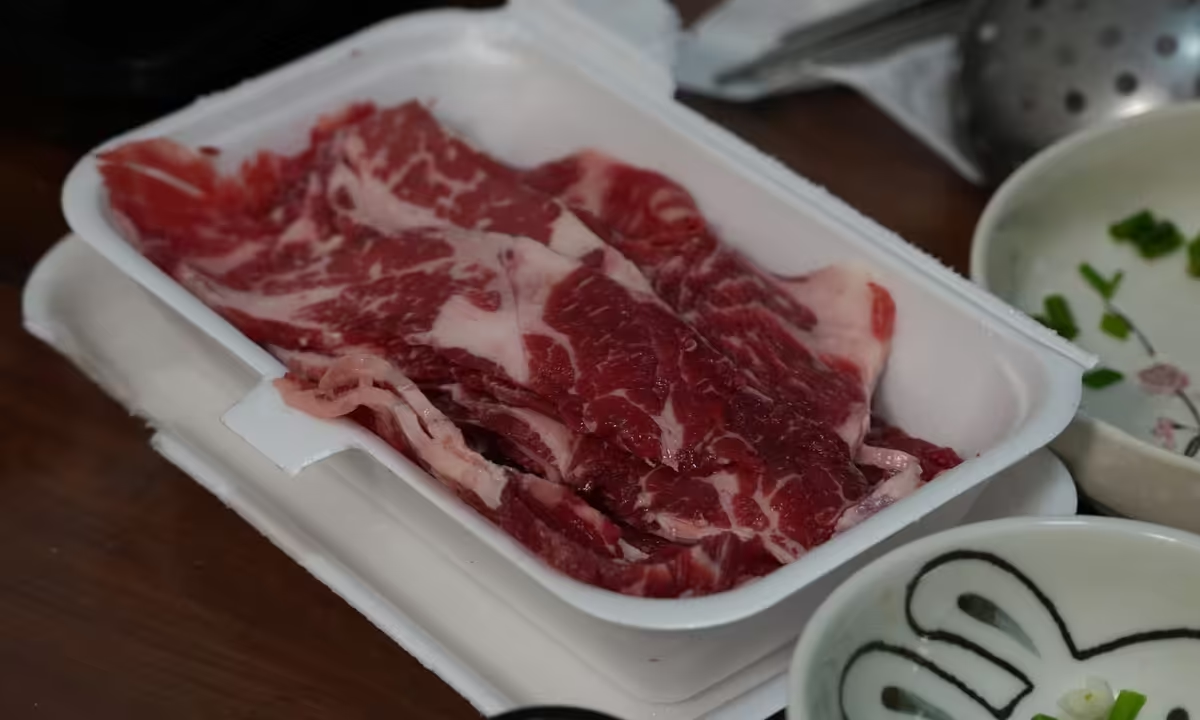
Meat is the reason most freezers exist. Raw muscle freezes and thaws with less structural damage than almost any other food, which means your job is simple: keep air off it, keep it cold, and give each cut a window that matches its fat and grind. Get the wrapping right and a chest freezer becomes the cheapest form of meal planning there is.
Wrap discipline
Air is the only real opponent. Every exposed surface dries out, oxidizes, and turns that gray-brown leather we call freezer burn. So:
- Wrap meat tightly in plastic, pressing the wrap against the surface.
- Add a second layer — foil or a freezer bag with the air squeezed out.
- Or go straight to a vacuum sealer if you have one; it’s the difference between a three-month steak and a twelve-month one.
- Label with cut, weight, and date before it freezes, not after.
Butcher-paper-wrapped meat from the shop is not freezer packaging; rewrap it the day you bring it home.
Freezer burn is quality damage, not danger
Say it plainly because the gray patches alarm people: freezer-burned meat is safe to eat. The damage is moisture loss, and it’s cosmetic-plus-textural — dry, slightly woolly patches on the surface. Trim them off before cooking, or grind the meat into a braise or ragù where the browned exterior carries the flavor. The burn itself never makes meat unsafe; only mishandled thawing does.
Windows by cut
| Meat | Best quality |
|---|---|
| Ground beef | 3–4 months |
| Steak and pork chops | 4–6 months |
| Big roasts | 4–12 months |
| Lamb chops | 4–6 months |
| Whole turkey | ~12 months |
| Bacon | ~1 month |
The pattern behind the table: more surface area and more fat mean shorter windows. Ground meat’s sprawl of surfaces picks up freezer flavor faster than a sealed roast.
Buying for the freezer
If you shop warehouse-size, split the haul the day you get home rather than freezing the bulk pack whole. Portion into meal sizes, flatten the ground meat, and wrap pieces individually — two chops per wrap beats a fused block you have to thaw all at once. Marinades freeze beautifully: put the meat in the bag with the marinade, and it tenderizes as it thaws, which turns a frozen chicken thigh into Tuesday’s dinner with no extra step. A vacuum sealer pays for itself in meat alone if you buy this way, but a careful double-wrap in ordinary bags gets you within a few months of the same windows. Whatever the packaging, freeze it fast — a fridge-cold cut goes straight into the coldest shelf, not an overnight detour.
Chicken and turkey
Portion birds before they freeze if you can — a whole chicken is a month of dinners or one very ambitious Sunday. Chicken breasts and thighs freeze flat in bags, singly or in meal-sized groups. Whole birds and parts hold quality for nine to twelve months; bone-in pieces outlast boneless, and skin-on holds slightly better than skinless. If you buy family packs, split and rewrap the day you shop.
Cured and processed meats
Curing extends refrigerated life, but in the freezer the clock runs short. Sausage keeps a month or two, ham similar, and deli meat about the same — its texture turns slightly watery, so plan on sandwiches and cooked dishes rather than charcuterie boards. Bacon is the shortest of all at around a month; roll slices individually for easy separation. All of these are safe longer than their quality windows; the salt just doesn’t protect texture from ice.
Cooked meat: the second freezer life
Leftover roasts and braises freeze respectably for two to three months, and some dishes barely change: meatballs in sauce, pulled pork with its juices, braised brisket sliced and bagged with gravy — all two to three months. Slice before freezing — thawed roasts slice badly. Label cooked meat clearly; under frost, Monday’s pot roast and Thursday’s look identical. The wider world of cooked dishes — stews, casseroles, curries — has its own rules, collected in our leftovers category and the guides below.
Thawing and refreezing, briefly
Thaw meat in the fridge, not on the counter — the surface warms into the danger zone while the center is still frozen, and that’s the one safety mistake this whole guide cares about. A flat-frozen pack of ground beef thaws overnight; a roast takes a day or two. Meat thawed in the fridge can be refrozen, though it loses a little moisture each round; meat thawed on the counter should be cooked, not re-frozen. The full decision tree lives in how to thaw frozen food safely.
One standing reassurance: meat held solidly frozen at 0 °F / -18 °C stays safe indefinitely — the months above measure eating quality, per USDA guidance, not a deadline. Every card in our meat collection has its window and method, and seafood runs on a faster clock — see how to freeze seafood for why, or the seafood cards for the windows themselves.
Related: How long food lasts in the freezer has the full window table across every category. How to freeze food properly covers the flat-freeze and labeling habits that make meat storage work, and cooked-meat dishes get their own treatment in how to freeze leftovers. Raw meat is the flagship group on the freezes-well browse page if you want to see every verdict at a glance.
Sources
Sources: USDA FoodKeeper meat and poultry entries; FSIS Freezing and Food Safety for wrap, thaw, and refreeze rules.