Can You Freeze Bacon?
Bacon's enemy is not the freezer — it is time and air, which turn the fat rancid within a week of opening. Frozen at 0 °F / -18 °C, bacon keeps 1–2 months of quality, and its cure means it thaws ready for the pan.
Also called: streaky bacon · bacon rashers · bacon strips
Yes — bacon freezes for 1–2 months of quality; freezing slows the fat's slide toward rancidity that the fridge cannot stop.
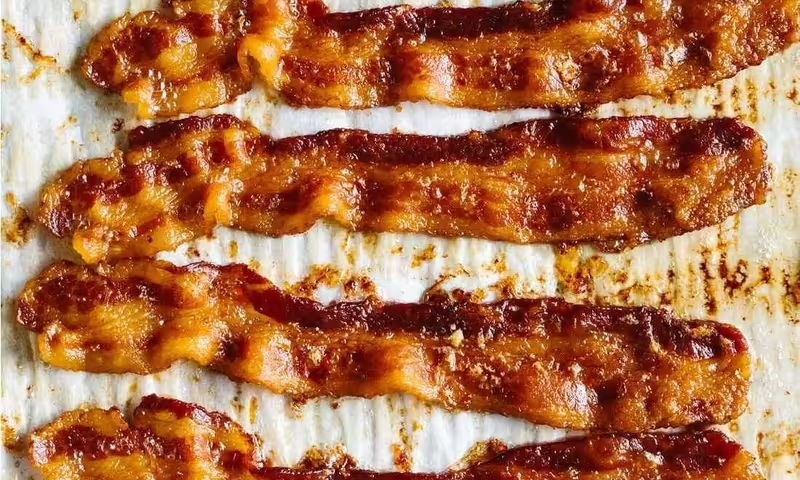
The freezer method for bacon
Roll individual slices into loose cylinders and freeze on a tray, then bag — frozen rolls snap apart, so you pull three strips instead of hacking at a frozen brick. Or freeze flat in meal-portion slabs.
Before it goes in
- Portion into 3–4 slice rolls or meal-sized flat packs.
- Freeze the rolls on a tray until solid so they stay separate.
- Transfer to a freezer bag, press out the air, and seal.
- Label with the date — bacon's quality window is among the shortest in the meat aisle.
Containers & wrapping
Freezer bags for rolls and slabs; an unopened vacuum pack goes in as-is. Once opened, never leave loose slices to their own devices — airtight bags are how you beat rancidity.
Freezer storage
1–2 months
Bacon's fat goes rancid faster than lean meat spoils, so its frozen quality window is short: 1–2 months. Freezing genuinely helps here — it slows the fat's decline in a way the refrigerator cannot.
Freezer burn, drying and dulled flavor are quality problems with bacon, not safety ones — anything solidly frozen at 0 °F / -18 °C is still fine to eat, just further from fresh.
Thawing bacon: the practical method
Frozen rolls thaw in 10–15 minutes at cool room temperature — a rare counter exception, since the cure protects the surface — or go straight to the pan over low heat. Flat slabs fridge-thaw in a few hours.
Is it safe to refreeze bacon if you are careful?
Possible but pointless: each cycle pushes the fat toward rancidity. Portion into rolls the first time and you will never want for it.
Texture & flavor changes
Bacon crisps up close to normal — the freeze barely touches the fry. What fades with time is the fat's sweetness; very old frozen bacon can carry a papery, off note even when perfectly safe. That is rancidity, not spoilage.
Best uses after thawing
Where thawed bacon shines:
- Breakfast strips
- BLTs
- Pasta carbonara
- Soup toppings
- Brussels sprouts side
Which version are you working with?
Unopened vacuum packs freeze as-is for the full window. Opened packs need portioning — rolls or flat slabs in bags. Either way, 1–2 months of quality is the honest ceiling.
Caveats worth knowing
- If thawed bacon smells sharp or waxy rather than smoky, the fat has turned — discard it, since rancidity ruins the dish no matter how crisp it cooks.
- Do not trust the printed date once the pack is opened; opened bacon's real clock is about a week in the fridge, and the freezer is the rescue.
- Freeze bacon fresh or within days of opening — freezing does not reverse rancidity that has already started.
Bacon: the freezing questions
Can you freeze bacon?
Yes — 1–2 months for best quality. Bacon's fat turns rancid quickly in the fridge after opening, and freezing slows that slide. Roll slices into cylinders, freeze solid on a tray, then bag; you can pull exactly the strips you need without thawing the whole pack.
How do you separate frozen bacon slices?
Roll each slice into a loose cylinder and freeze them on a tray before bagging — frozen rolls tap apart in seconds. For a frozen slab, run the sealed pack under cool water for a couple of minutes and peel slices off as they loosen.
How do you cook bacon straight from frozen?
Straight from the freezer over low heat, turning often — the cure protects the surface, so it crisps close to normal with no thaw.
Related foods