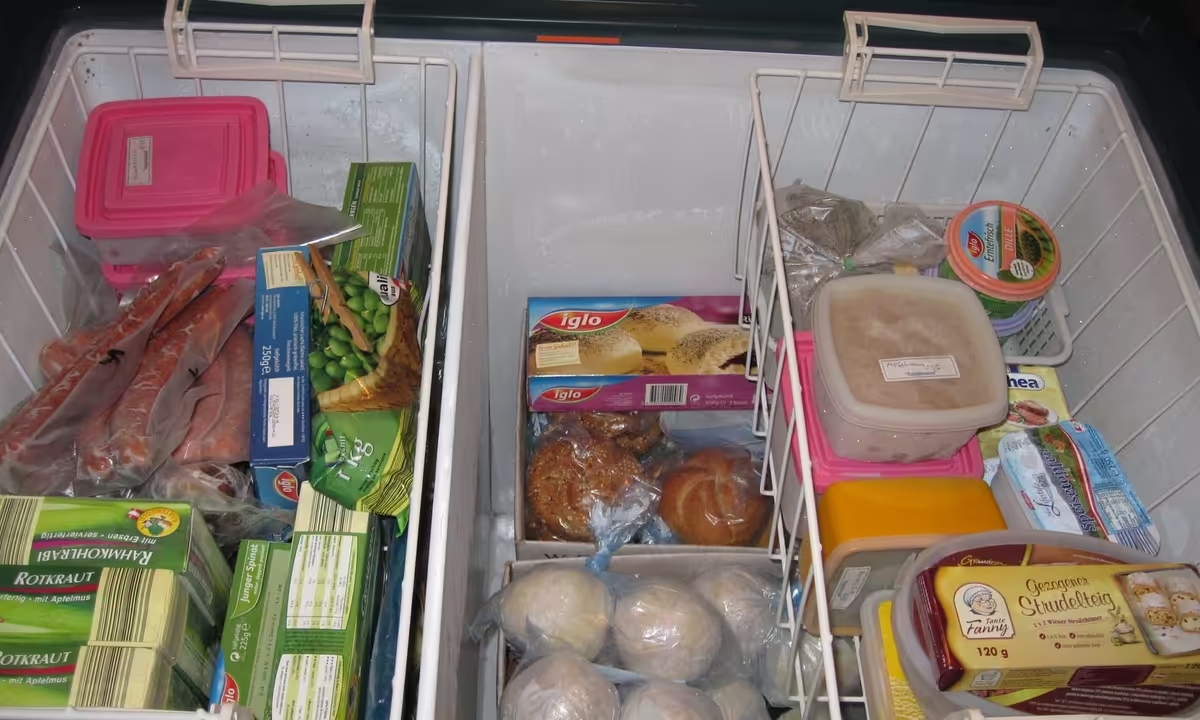
Some foods walk out of the freezer exactly as they walked in. Others come back close enough for cooking. And a few were never invited in the first place. This is the tour of the first group — the short list of foods that earn their shelf space, grouped by how they behave. Every food mentioned here links to a card with the full method, the container advice, and its own quality window.
What “freezes well” actually means
Our three verdicts describe outcomes, not effort. Freezes well means the food comes back close to its original self — texture, flavor, and behavior all intact. Yes, with changes means safe and useful but different, usually softer or separated. Not recommended means the freezer wins. This guide is about the first group, and our freezes-well browse page lists every food on the site that earned the verdict. The pattern behind the list: low free water, sturdy structure, and a destination that involves heat.
Raw meat and poultry: the freezer’s natural tenant
Raw meat is mostly water held inside muscle, and muscle freezes and thaws with less structural damage than almost anything else in the kitchen. Wrap a steak tightly in two layers or seal it in a bag with the air pressed out, and it keeps its character for four to six months. Chicken thighs and other bone-in cuts hold quality longer still — nine months to a year — so freeze them flat so they thaw evenly, and split family packs the day you shop. Ground beef is the workhorse — freeze it in thin sheets you can snap into portions rather than a brick that thaws all-or-nothing.
One rule of thumb runs through the whole category: whole cuts outlast ground, fattier cuts age faster than lean ones, and the freezer can’t improve meat — it only holds it at the quality it came in with.
Seafood that behaves
Seafood spoils fastest on the counter and benefits most from freezing, which is a combination worth exploiting. Firm, lean fillets freeze so cleanly that you can often cook them straight from frozen with a few extra minutes. Shrimp keeps its snap for three to six months and thaws in fifteen minutes under cold water. Salmon also freezes well — it just carries fat that oxidizes in the freezer, so its window is two to three months instead of six. Seafood rewards two habits: glazing (a thin coat of ice over the flesh) and moving it to the fridge the night before.
Vegetables: blanch and conquer
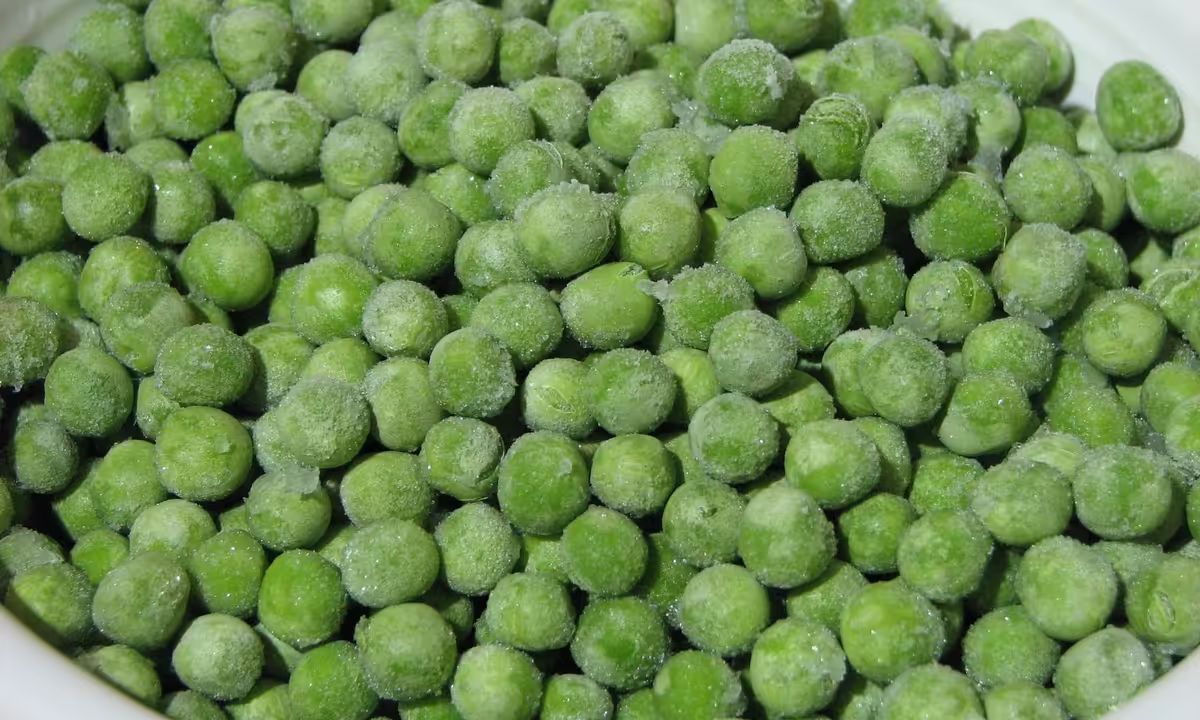
Vegetables keep living after harvest — enzymes keep ripening, softening, and dulling their color even in the cold. Blanching (a short scald in boiling water, then an ice bath) switches that clock off. Do it, and vegetables like green beans and broccoli hold their color and bite for the better part of a year, with corn, carrots, cauliflower, and leafy greens right behind them. Dry the pieces well, tray-freeze them so they stay loose, and bag in meal-sized portions. It’s an afternoon of work that pays out for months — the highest return on effort in this entire guide.
Fruit: sweet, versatile, forgiving
Fruit freezes well because it’s going to be soft when it thaws — and for most uses, that’s fine. Blueberries and mango chunks frozen on a tray pour out like marbles and go straight into smoothies and bakes. Bananas peel easier frozen than fresh, and they’re sweeter after thawing, which is exactly what banana bread wants. The trade is simple: thawed fruit is soft fruit, so it’s for cooking, blending, and stirring — not for the fruit bowl. Sugar-pack the delicate things (peaches, plums) if you want them to eat like fruit rather than bake like fruit.
Stocks, sauces, and stews
Liquid is where the freezer shines brightest. Chicken stock frozen in cup-sized portions becomes the ingredient that makes weeknight cooking work; tomato sauce and meaty chili hold their flavor for months in flat bags. Braises, ragùs, and bean stews all live here too — long cooking has already done their structural work, so there’s nothing left for ice to ruin. Freeze anything brothy in recipe units, label the amount, and stack flat. These are the packages that turn a bare fridge into a dinner plan.
Bread and dough: the quiet power move
Bread is one of the few things the freezer handles better than the fridge — refrigeration actually stales bread faster, while freezing presses pause. Slice a loaf of bread before freezing and you get toast on demand for three months. Raw dough might be better still: cookie dough scooped into balls bakes straight from frozen, pie dough thaws overnight and rolls more relaxed than fresh, and pizza dough balls wait patiently in oiled bags. Bake once, eat twice — or five times.
Honorable mentions
A few more earn their keep without a section of their own: hard aged cheeses freeze respectably for melting; butter, at over 80 percent fat, keeps six to nine months and is arguably the dairy product the freezer was made for; eggs beat out of the shell freeze for baking; and cooked grains like rice freeze in flat packs better than anyone expects, provided they’re chilled quickly first. Each has a card with the details.
The short list, then
- Raw whole cuts and ground meat — wrapped tight, months of quality.
- Firm seafood, glazed or well-wrapped; fatty fish eaten sooner.
- Blanched vegetables — color, bite, and up to a year of dinners.
- Tray-frozen fruit for smoothies, compotes, and baking.
- Stocks, sauces, and stews in flat, labeled, recipe-sized bags.
- Sliced bread and raw doughs.
Nothing here needs special equipment, and everything on this list survives an occasional freezer-door left ajar better than your ice cream does. Shop the list by shelf: the meat and fruit category pages group the winners with their verdict badges visible.
Related: Before you load up, read how to freeze food properly — the ten rules that make all of this work. Then check how to freeze vegetables for blanching details, and how long food lasts in the freezer so you know what “months” means for each group. To shop this list food by food, start at the baked goods shelf and follow the cards from there.
One constant under everything on this list: solidly frozen food at 0 °F / -18 °C stays safe indefinitely, so every window below is a quality deadline, not a safety one.
Sources
Sources: quality windows follow the USDA FoodKeeper database, with freezing practice from the USDA FSIS Freezing and Food Safety guidance.