Vegetables are water held in cells by walls that freezing likes to rupture — and even after harvest they’re still alive, with enzymes slowly ripening, softening, and dulling their color. Freezing well means dealing with both problems: stop the enzymes, and handle the water gently. One short step does most of the work.
Blanching, explained simply
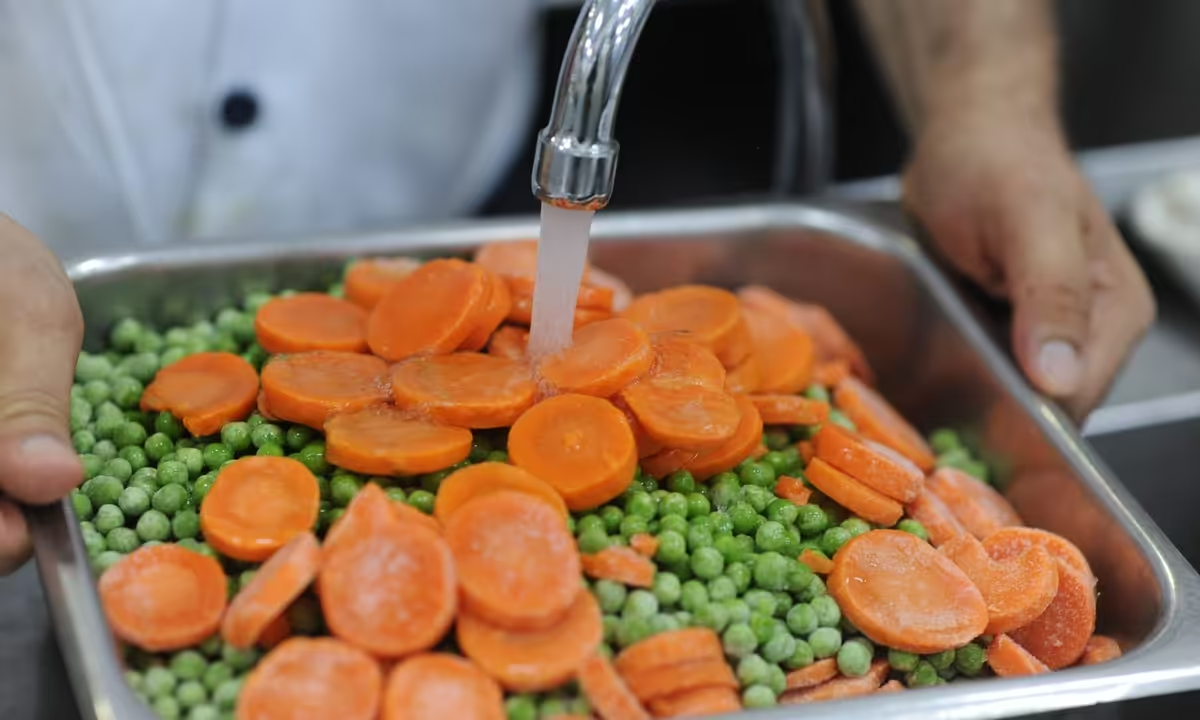
Blanching is a brief scald in boiling water followed by an ice bath. It sounds fussy and takes about three minutes per vegetable. What it does is switch the enzymes off — without it, frozen vegetables keep aging in slow motion and emerge months later faded, limp, and tasting of the freezer drawer. With it, they hold color and bite for the better part of a year.
The method is the same for everything:
- Cut vegetables into even pieces.
- Boil for a short time — most take one to three minutes; dense roots go longer.
- Lift straight into ice water for the same time.
- Drain and dry thoroughly. Wet vegetables freeze into a glacial clump.
One detail separates good frozen vegetables from great ones: drying. Spread them on a clean towel, pat, and give them ten minutes of air before they meet the bag.
The vegetables that skip the pot
A few handle the freezer raw because you’ll always cook them anyway, or because blanching ruins what you like about them. Peppers and bell peppers go straight in sliced — they thaw soft, which is fine for fajitas and stir-fries. Onions chop and freeze raw in bags; they soften when thawed but sauté like a dream, and your eyes will thank you for doing a dozen at once. Mushrooms are better sautéed first — raw ones turn slimy, cooked ones keep their savory depth. Tomatoes freeze whole and unblanched with the skins slipping off once thawed, which is less a preservation method than a fast track to sauce.
The classic blanchers
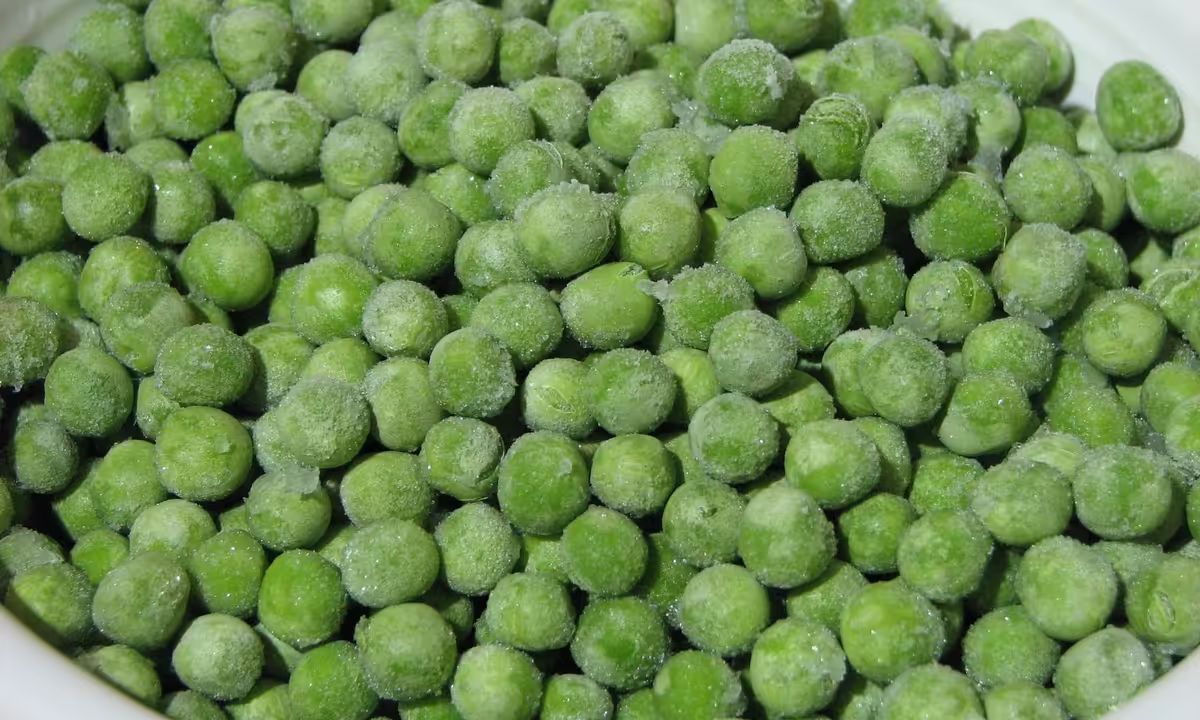
Most garden staples belong to the blanch-and-bag club: green beans, broccoli, cauliflower, carrots, corn, and asparagus. Do it right and each comes back from the freezer with its color intact and just enough bite for a weeknight. Corn goes further: cut kernels from blanched cobs, freeze on a tray, and you have summer in a bag for chowders and succotash. These are also the vegetables that justify owning a big pot — a full freezer of them costs one afternoon, and no store-bought bag matches the texture.
Leafy greens get wilted first
Spinach and kale collapse into dark green coins when frozen — a feature, not a bug. Blanch them briefly, squeeze out the water, and freeze in tight balls or flat slabs. Thawed, they’re ready for saag, lasagna layers, and smoothies without the volume problem. Fresh leaves for salad never make sense frozen; cooked greens always do.
Potatoes are their own project
Raw potatoes come out of the freezer dark and strangely sweet — the cold converts their starch. So give them a role before they freeze: blanch potatoes cut for fries or hash browns, or roast and freeze them for reheating. Sweet potatoes freeze best cooked — roast them or mash them with a knob of butter and freeze flat. Mash made for topping goes into the freezer as part of a dish (a cottage pie topping freezes beautifully) rather than on its own.
Tray-freeze, then bag
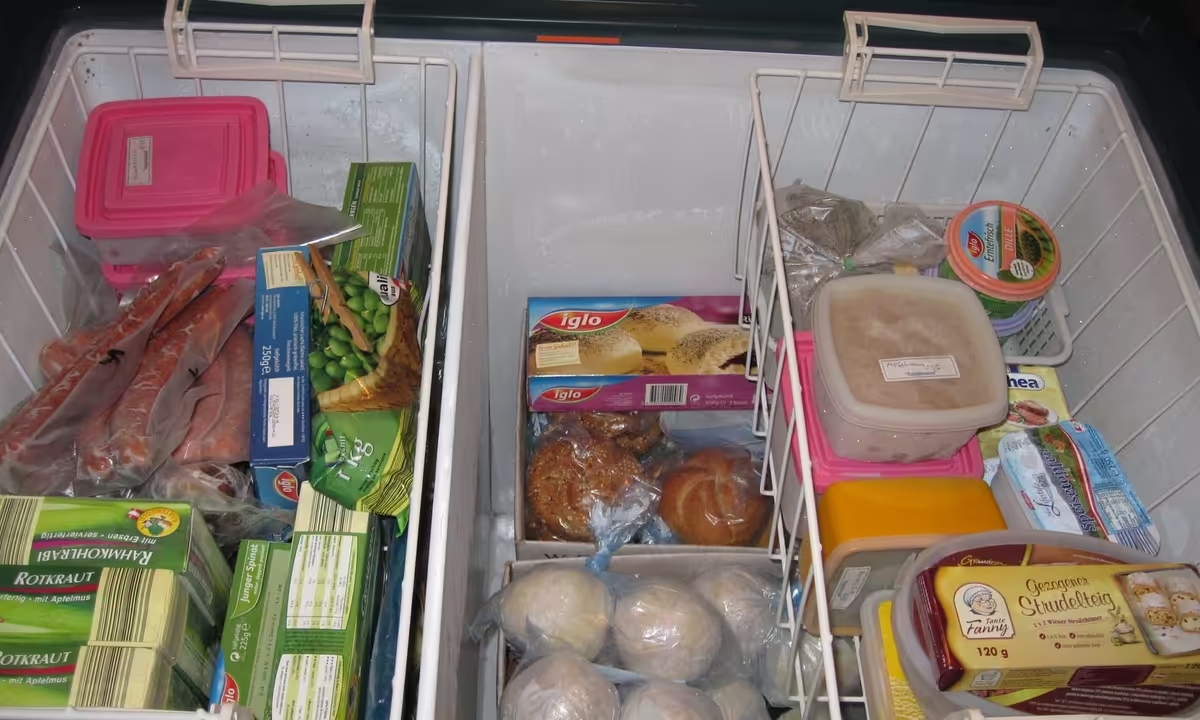
Whatever the vegetable, the packing method is the same. Spread blanched, dried pieces in a single layer on a tray and freeze until solid — an hour or two. Then bag them in portions. This stops the pieces welding into one iceberg and lets you pour exactly a handful for a stir-fry. Squeeze bags flat, label with vegetable and date, and file them upright; the freezer organization guide shows the filing trick.
Cooking from the freezer, later
Frozen blanched vegetables are already half-cooked, which makes them the fastest ingredients in your kitchen. Most go straight from bag to pan or pot — no thawing, and honestly no good reason to thaw: they soften as they heat and can turn mushy if they sit. Toss them into soups and braises for the last ten minutes, stir-fry from frozen in a screaming-hot pan, or roast the sturdy ones — broccoli, cauliflower, carrots — with oil at high heat until the edges brown. The one thing not to expect is raw-crunch salads; blanching closed that door on purpose.
Windows and expectations
Blanched vegetables hold good quality for ten to twelve months — the longest windows in the freezer, alongside fruit. Unblanched ones start fading within a couple of months, so eat those first. And remember the standing rule of this site: solidly frozen vegetables at 0 °F / -18 °C stay safe as long as they stay frozen; blanching is a quality step, not a safety one. For per-vegetable times and methods, the cards in our vegetables collection have the details.
Herbs follow their own clever little system, which is nothing like a vegetable’s: they are frozen in oil or butter, in small amounts, and used within weeks — see basil for the classic example, and the herbs shelf for the rest.
Related: Fruit uses the same tray trick with less prep — how to freeze fruit covers it. For where vegetables rank overall, see foods that freeze well, and freezer organization and labeling keeps a year of vegetables from becoming a drawer of unidentified green things. The vegetables shelf has a card for every vegetable mentioned here.
Sources
Sources: blanching times and practice follow the National Center for Home Food Preservation and USDA FoodKeeper vegetable entries.