Can You Freeze Spinach?
The spinach clamshell that melts into slime a week after purchase is a grocery-store design flaw the freezer can correct. Blanched, squeezed into a ball, and frozen, spinach becomes a permanent ingredient — ready for palak paneer, spanakopita, or a smoothie at any hour.
Also called: baby spinach · frozen spinach · cooked spinach
Yes — blanched, squeezed spinach freezes well for cooking; frozen raw it clumps, so blanch two minutes first.
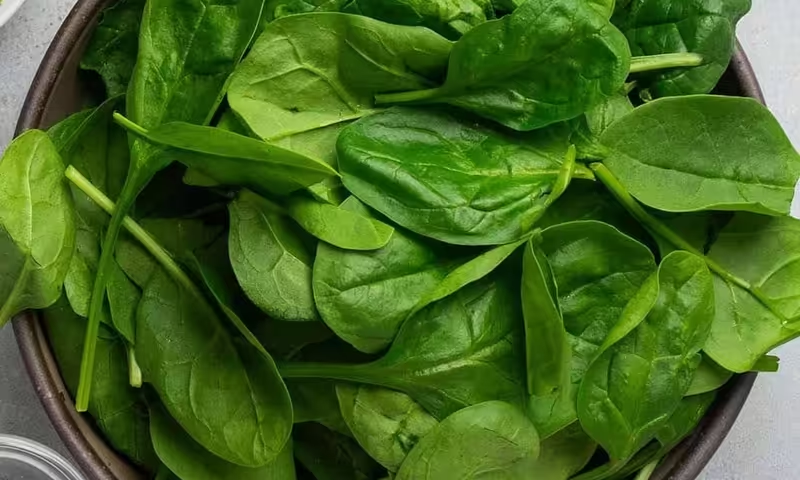
The best way to freeze spinach
Blanch briefly — two minutes in boiling water — then shock in cold water and squeeze until almost dry. Form balls or press into a log, freeze solid, and grate or slice portions straight into cooked dishes.
Before it goes in
- Rinse spinach well — grit hides in the leaf folds, and frozen-in dirt never leaves.
- Drop into boiling water for two minutes; this blanch deactivates the enzymes that would otherwise turn frozen greens dull, brown, and off-flavored within weeks.
- Plunge into cold water, then squeeze the leaves hard until barely dripping.
- Form balls the size of your fist, or press into a log for sliceable portions.
- Freeze the balls on a tray until solid, then transfer to a labeled freezer bag.
Containers & wrapping
Tray-freeze the balls, then store in a freezer bag or container. A rolled log wrapped in parchment and bagged lets you cut off exactly the amount a recipe needs.
Freezer storage
10–12 months
Color and flavor hold well when the greens were blanched and squeezed properly; unblanched spinach fades to khaki and hay notes within a couple of months.
Safe and good are two different clocks for spinach: at 0 °F / -18 °C it stays safe as long as it is solidly frozen, and the 10–12 months window above is about eating quality.
Thawing spinach the right way
Most dishes take frozen spinach directly — drop the ball into simmering curry, soup, or sauce and it thaws in minutes. For baking, thaw in the refrigerator overnight and squeeze again.
Can you thaw and refreeze spinach?
Not recommended once thawed — thawed greens weep and darken; a second freeze turns them mushy and flat.
Texture & flavor changes
Expect soft, fully cooked leaves no matter what — frozen spinach is cooked spinach. What survives is the deep green color and earthy flavor; the fresh crispness was never coming. Proper squeezing keeps it from being watery.
Best uses after thawing
Where thawed spinach shines:
- Palak paneer and curries
- Spanakopita
- Smoothies
- Soups
- Pasta and lasagna layers
Caveats worth knowing
- Raw-frozen spinach thaws into a dark, watery clump with hay-like flavor — the blanch is worth the two minutes.
- Squeeze harder than feels reasonable; excess water ruins curries, dips, and pastry fillings.
- Baby spinach freezes no better than mature — blanching equalizes them, so buy whichever is cheaper.
Questions about frozen spinach
Do you have to blanch spinach before freezing?
Yes, and it is quick. Two minutes in boiling water deactivates the enzymes that would otherwise turn the leaves brown and hay-flavored in the freezer, and it collapses the volume so a whole bunch becomes one squeezable ball.
How long can you freeze spinach?
Ten to twelve months at good quality if it was blanched and squeezed first. It stays safe while frozen solid; the color and earthy flavor simply fade slowly after that.
Can you put frozen spinach in smoothies?
Yes — many people freeze spinach specifically for this. Blanch and squeeze it first, or blend raw leaves into cubes with a splash of water. Frozen spinach cubes chill and thicken a smoothie without diluting it.
Related foods