Can You Freeze Kale?
Kale is tough enough to survive the freezer with dignity. Strip the leaves from the stems, blanch, squeeze, and bag, and the bunch that would have yellowed in the fridge becomes a standing supply for white bean soups and weeknight smoothies.
Also called: curly kale · lacinato kale · cavolo nero · dinosaur kale
Yes — blanched kale freezes well for soups, stews, and smoothies; it emerges soft, so save it for cooking.
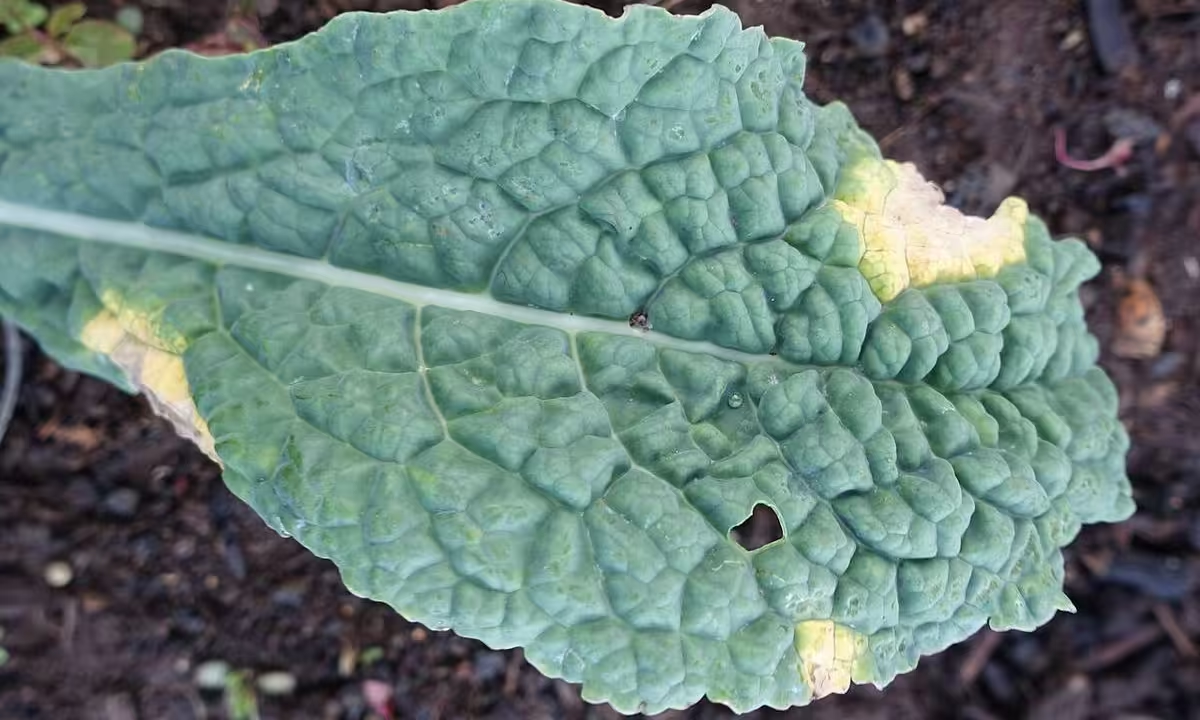
Freezing kale: what to do
Remove the tough stems, blanch one to two minutes, chill, and squeeze dry. Freeze in flat packs or balls; frozen kale crumbles directly into soups, braises, and blender jars.
Before it goes in
- Strip the leaves from the woody center stems and tear or chop roughly.
- Blanch in boiling water for one to two minutes until bright green.
- Shock in cold water, then squeeze out as much water as you can manage.
- Pack into flat freezer bags or form balls; freeze on a tray first to keep them separate.
Containers & wrapping
Flat freezer bags or tray-frozen balls in a bag. Stems and ribs go to stock or compost — they freeze into stringy nothing.
Freezer storage
10–12 months
Blanched kale keeps its color and mild cabbage sweetness for most of a year; unblanched leaves brown and dull within weeks.
Nothing spoils while kale is genuinely frozen. Held at 0 °F / -18 °C it is safe indefinitely, and the date on the bag tracks flavor and texture rather than danger.
Thawing kale without spoiling it
Add frozen directly to soups, stews, and sautés — it thaws in the pan in minutes. For smoothies, drop the frozen ball straight into the blender.
How many times can you freeze kale in practice?
Not recommended — thawed kale weeps and darkens further on a second freeze; portion into usable amounts from the start.
Texture & flavor changes
Frozen kale is cooked kale: soft, deep green, and milder than fresh. The peppery bite and chew of raw leaves disappear, which for smoothies and soups is mostly a favor.
Best uses after thawing
Where thawed kale shines:
- White bean soups
- Smoothies
- Braised greens
- Pasta dishes
- Egg scrambles
Which version is going in the freezer?
Curly kale freezes and cooks up a little tougher because its sturdy cell walls are the point of the vegetable. Lacinato (dinosaur) kale thaws slightly more tender and is the better choice when the frozen bunch will finish in a soup or a quick sauté.
Blanched kale keeps its deep green and cooks back in minutes, which is why most tutorials blanch first. Blanching is optional for kale destined for smoothies or braises — raw-frozen kale just needs the extra minutes of heat to go soft.
Caveats worth knowing
- Skip freezing kale destined for salads or kale chips — neither survives thawing.
- Squeeze thoroughly after blanching; waterlogged kale turns braises and frittatas soggy.
- Curly and lacinato varieties freeze the same; the stems are the only real waste.
Common questions about frozen kale
Do you need to blanch kale before freezing?
Yes — one to two minutes in boiling water. Blanching stops the enzymes that turn frozen greens brown and hay-flavored, and it wilts the volume down so a grocery bag of kale fits in two freezer bags.
How long does frozen kale last?
Ten to twelve months at good quality when blanched first. It stays safe while frozen solid; color and flavor simply fade gradually, so rotate your bags through soups and smoothies.
Can you freeze kale for smoothies without blanching?
You can — freeze raw leaves straight in the blender jar or as loose leaves in a bag. Unblanched kale fades faster and tastes grassier over time, but for smoothies within a month or two it works well.
Related foods