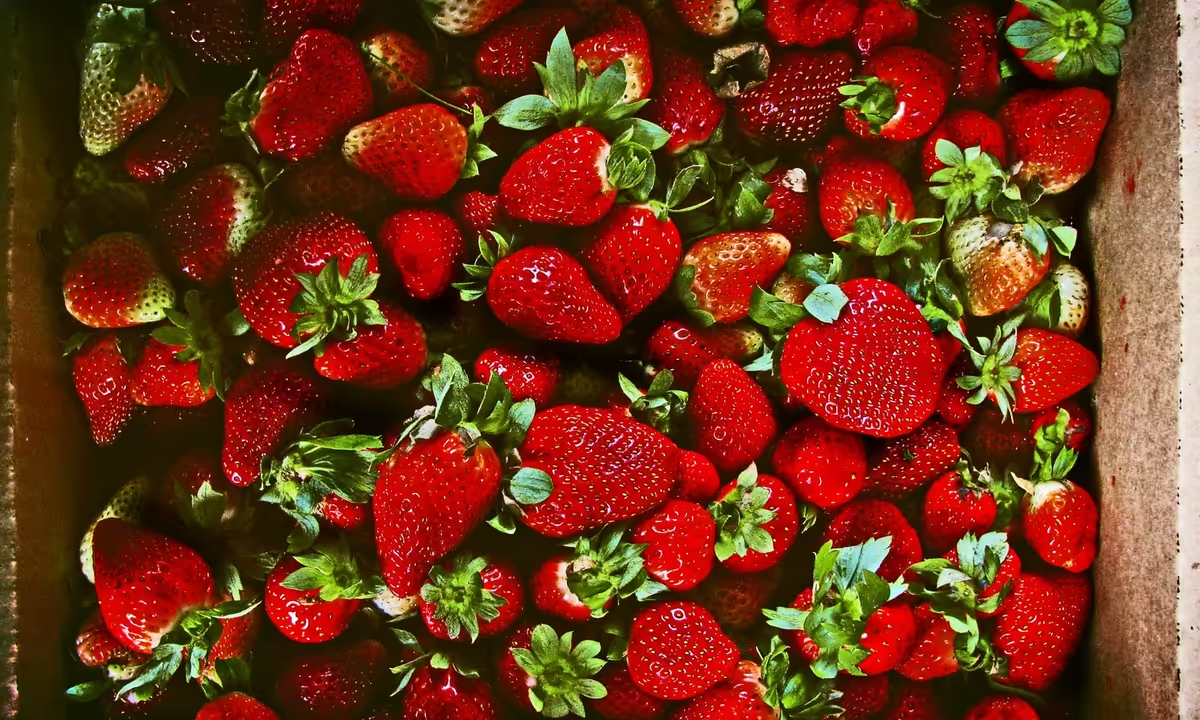
Fruit arrives at the freezer in better shape than most foods: sugar and acid are natural preservatives, and most fruit is destined for cooking or blending anyway, where softness doesn’t matter. That’s the mindset for this whole guide. Freezing doesn’t keep fruit fresh — it keeps fruit useful, and it does it for the better part of a year.
Tray-freezing, the default method
Nearly every fruit benefits from the same first move: freeze it in a single layer on a tray before bagging. This is what keeps blueberries pourable instead of welded into a brick, and it’s the difference between grabbing a handful of strawberries for a smoothie and chipping away at a berry boulder.
The method: hull, slice, or chunk as needed, spread on a parchment-lined tray with the pieces not touching, freeze until solid (a couple of hours), then transfer to bags with the air pressed out. Raspberries are fragile enough that you’ll lose a few to crushing anyway — handle them once, gently, and accept the crumble as flavor.
Browning, and how to stop it
Cut fruit browns in the freezer exactly like it does on the counter — enzymes and oxygen at work, just slower. The fix is a little acid. Toss apples, peaches, and pears in a bowl of water with a squeeze of lemon juice before they hit the tray, and they’ll come out the same color they went in. The same trick works for any pale flesh that oxidizes. Whole small fruits with skins intact — cherries, berries, grapes — don’t need the treatment; their own peel does the work.
Sugar pack and syrup pack
Older than the freezer itself, and still the best way to hold delicate fruit’s texture: layer sliced fruit with sugar (about a cup of sugar to four cups of fruit), or cover it with a light syrup, and let it sit until juice draws out. The sugar displaces water and cushions the fruit against ice damage. Peaches packed this way keep their perfume and come back almost fresh-tasting over yogurt or in a cobbler. It’s a slightly sweet commitment — do it only for fruit you’ll eat as fruit, not as an ingredient. Skip the sugar pack for anything destined for a blender; the smoothie doesn’t care.
Fruit that needs a plan
A few fruits have opinions. Bananas should be peeled before freezing — frozen solid, their peels cling like glue — and they turn deeply brown and much sweeter, which is perfect for banana bread and smoothies. Avocado halves freeze wrapped tight in their skin or mashed with lime; thawed slices are for toast and guacamole, never for salad. Grapes are a two-for-one: frozen solid they’re a snack that eats like a sorbet, thawed they’re mushy but fine for juice. And cherries are far easier to pit before freezing than after.
Citrus: juice, zest, segments
Lemons and limes freeze whole, but the useful forms are extracted: juice in ice-cube trays (one cube, one tablespoon), zest grated into a jar, and — if you’re feeling patient — segments with membranes removed, tray-frozen for drinks. Whole citrus thaws softer than fresh and gives up its juice easily, which makes it worth freezing anyway if a recipe only needs squeezing. Oranges freeze in segments for smoothies better than for snacking.
Smoothie prep, the highest-value use
This is where fruit freezing earns its keep. Build single-serve bags: a base of banana, a handful of berries or mango or pineapple, maybe cranberries for tartness. In the morning, dump a bag in the blender with yogurt or milk — no ice needed, because the fruit is the ice. A Sunday afternoon of tray-freezing buys you a semester of two-minute breakfasts, and the bags stack flat if you freeze the fruit in thin layers first.
What thawed fruit is for
Set expectations now: thawed fruit is soft fruit. It’s for compotes, crumbles, sauces, jams, smoothies, and stirring into yogurt — not for a fruit platter. A few exceptions can go straight from frozen to finished: berries into muffin batter (toss in flour first so they don’t bleed), mango straight into a blender, cherries straight into the pot for jam. The longer fruit sits frozen, the more it trades texture for convenience; eight to twelve months is the comfortable window, and solidly frozen fruit at 0 °F / -18 °C stays safe as long as it stays frozen.
Thawing, when you bother with it, happens in the fridge overnight or under cold water in the sealed bag — twenty minutes does it for berries. But plan around the thaw rather than waiting on it: most frozen fruit goes straight into heat anyway, and the ones destined for the blender never leave the freezer at all.
Where the fruit ends up matters for the next step, too. A compote is one step from the desserts shelf’s territory — spooned over frozen cheesecake or stirred into rice pudding — and the baking projects are covered in how to freeze baked goods. Each card in our fruit collection has its own verdict and window.
Related: Vegetables share the tray-freeze logic and add one extra step — see how to freeze vegetables for blanching. How long food lasts in the freezer puts fruit’s long window in context, and foods that freeze well is the tour of everything that comes back in good shape. To browse fruit by fruit, start at the fruit shelf.
Sources
Sources: USDA FoodKeeper fruit entries; National Center for Home Food Preservation freezing guides for tray-freezing and sugar-pack practice.
.jpg)