Can You Freeze Apples?
The freezer does not make apple slices you would hand a toddler — it makes pie filling with a head start. A quick toss in lemon water keeps the color, and the softened thawed slices practically melt into crumbles, sauces, and dumplings.
Also called: apple slices · frozen apples · baking apples
Yes with changes — slices soften and brown, but lemon-treated frozen apples are exactly what pie, crumble, and sauce want.
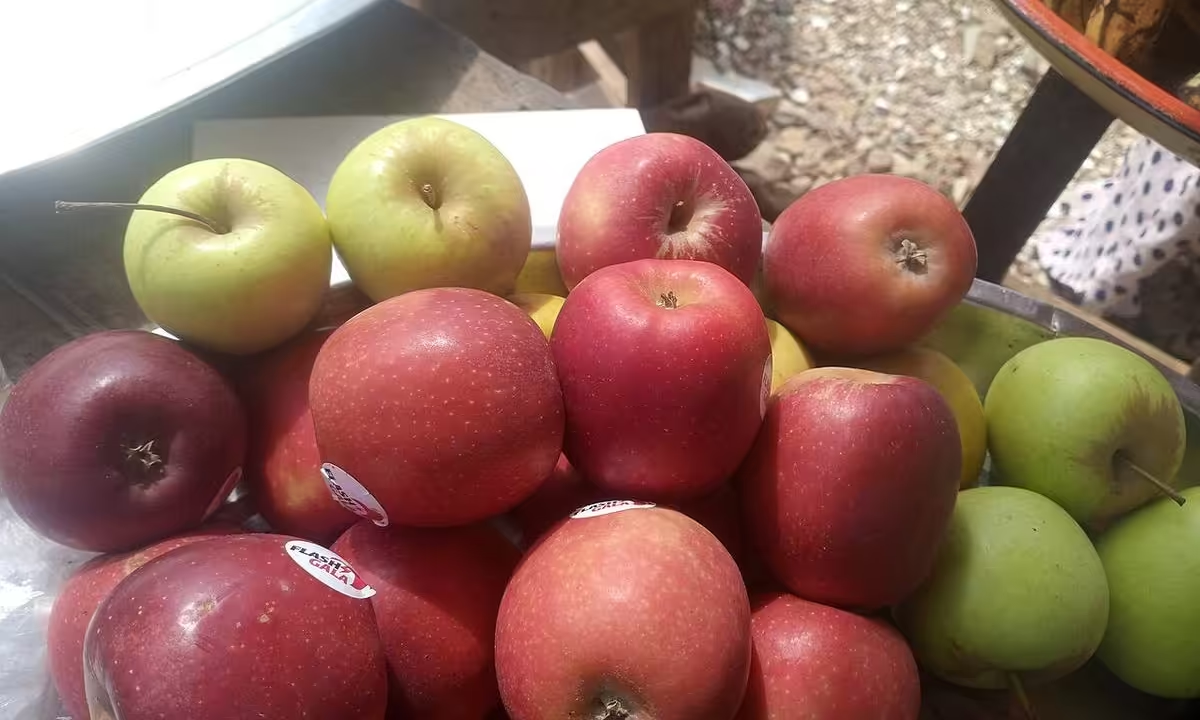
How to freeze apples at its best
Peel, core, and slice, then toss with lemon water to stop browning and tray-freeze in a single layer. Bag in recipe portions — four cups is a pie — and let the freezer do your macerating.
Before it goes in
- Choose firm, tart baking apples — Granny Smith and Braeburn types hold flavor better than sweet eating apples.
- Peel, core, and cut into even slices about a half-inch thick.
- Toss the slices in water with a tablespoon of lemon juice per cup to prevent browning.
- Drain briefly, spread in one layer on a lined tray, and freeze until solid.
- Bag in labeled recipe portions with the air pressed out.
Containers & wrapping
Freezer bags in flat, labeled portions work best; the tray-freeze keeps slices separate so you can pour out exactly four cups. Rigid containers are fine for sauce-bound apples.
Freezer storage
8 months
Texture softens steadily; the slices are at their best in baked and simmered dishes throughout the window. Browning flavor creeps in late in the window, so use the oldest bags first.
Keep the freezer at 0 °F / -18 °C and safety stops being a question for apples. What the calendar measures is quality: past its window it is safe, only a step further from fresh.
How to thaw frozen apples
Skip it for pies and crumbles — frozen apple slices go straight into the dish; just extend the bake. For sauce, simmer them from frozen. If a recipe insists on thawed, use the refrigerator and expect juice.
Can you re-freeze apples safely?
Only if thawed in the refrigerator and still cold. Refrozen slices go mushier and darken faster; bake with them rather than eyeing them.
Texture & flavor changes
Slices soften, lose their snap entirely, and darken slightly at the edges. In a pie that is practically seasoning — thawed apples absorb syrup and spice beautifully. Out of context on a plate, they look and feel cooked, not fresh.
Best uses after thawing
Where thawed apples shines:
- Pie and crumble
- Applesauce
- Baking
- Smoothies
- Braised dishes
Caveats worth knowing
- Eating apples go mealy and flat when frozen; firm tart varieties come back with actual flavor.
- Untreated slices brown fast — the lemon water step is doing more work than it looks like.
- Thawed slices release juice that will thin a batter; for pies, use them frozen and add a little extra thickener.
Questions about frozen apples
Can you freeze apples without cooking them first?
Yes — peel, core, slice, and toss them in lemon water, then tray-freeze and bag. They will not be fresh-eating apples afterward, but for pie, crumble, and applesauce, raw-frozen slices are the standard method and work beautifully.
How long can you freeze apples?
Eight months at 0 °F for best quality; they stay safe indefinitely while solidly frozen. The texture keeps softening over time, so older bags are better aimed at sauce than pie.
Do frozen apples turn brown?
They darken noticeably unless treated. A toss in lemon water before freezing keeps the color, and any slight browning that develops disappears in baking. Untreated slices go brown in weeks and taste it too.
Related foods