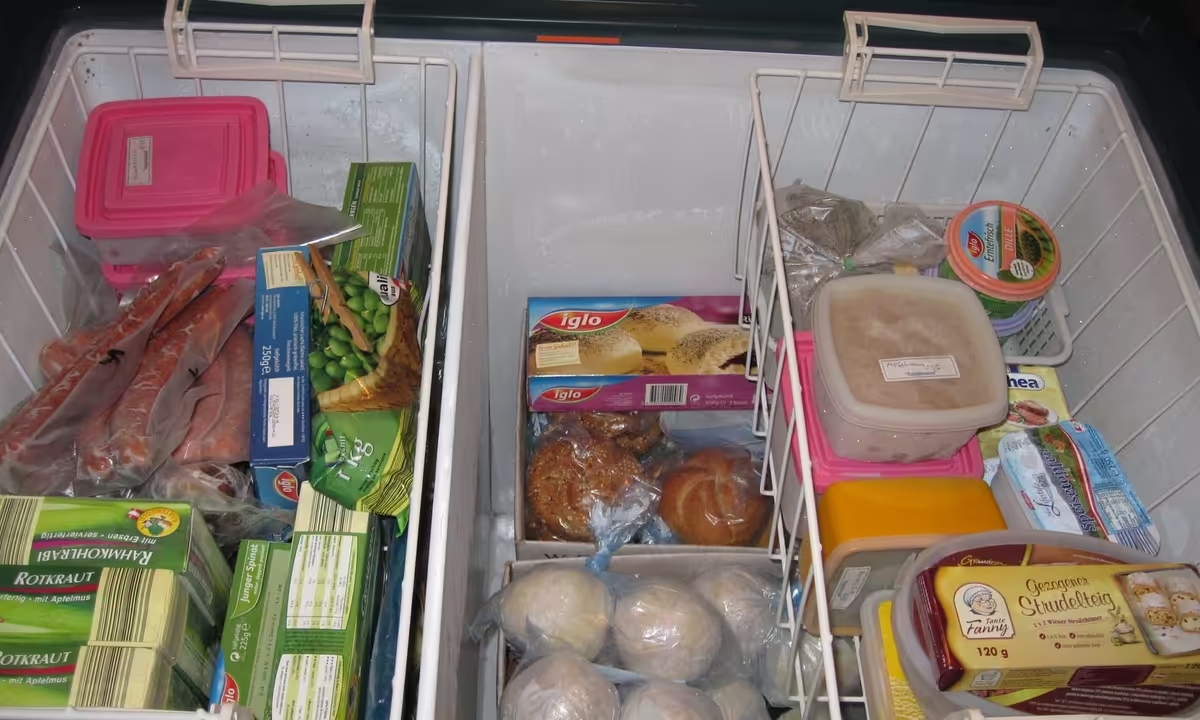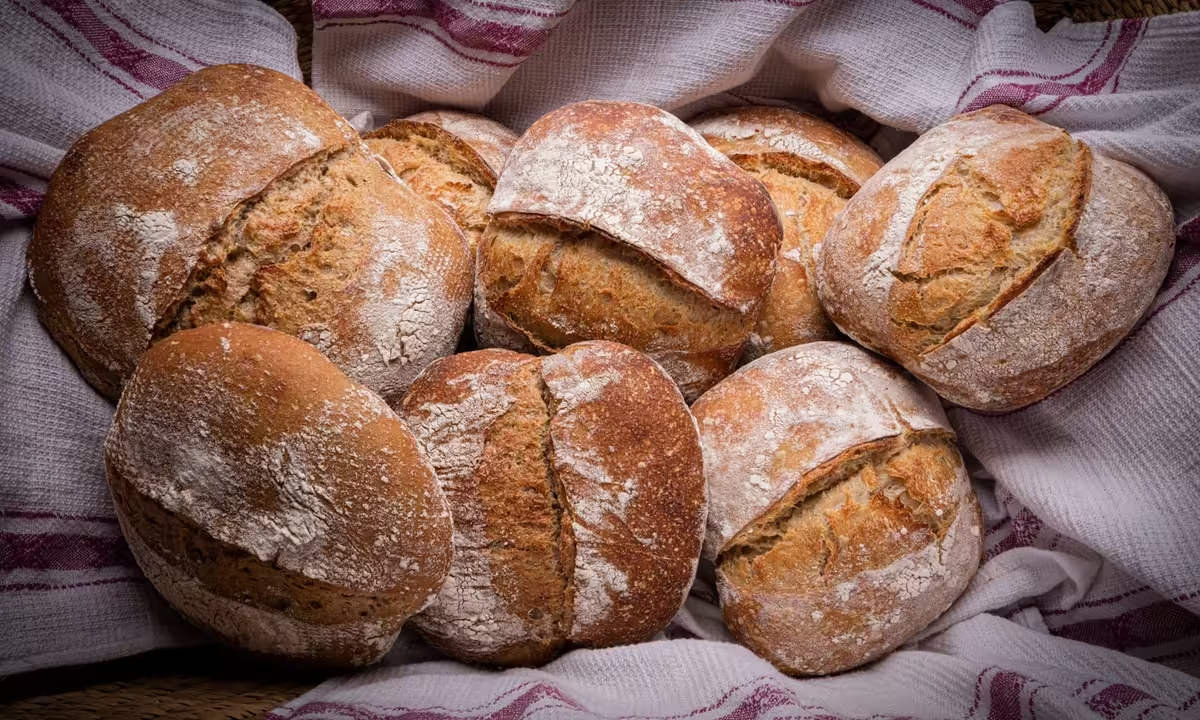
Baked goods are the freezer’s quiet specialty. Staling is a process that speeds up in the fridge and only truly pauses in the freezer — so the freezer is not a compromise for bread and cake, it’s the correct storage. The techniques here are few and simple: slice first, wrap against air, and refresh with heat on the way out.
Slice before you freeze
A whole loaf is a commitment; slices are a system. Cut bread and sourdough before freezing, bag with the air pressed out, and you can pull exactly two slices at a time — they thaw in twenty minutes on the counter or toast straight from frozen. Same for bagels and muffins: individual freezing turns a bakery haul into grab-and-go breakfasts. Tortillas stack in a bag with parchment between and thaw in seconds on a hot pan.
Wrap against air, twice
Bread products dry out through any gap, so wrap twice — plastic or foil snug against the food, then a sealed bag. Squeeze the air from the bag before it freezes. Double-wrapped loaves hold good quality for about three months; single-bagged ones start picking up freezer smells sooner. One more trick: freeze bread while it’s still faintly warm from the oven. Small-structure staleness starts within hours, and the freezer halts it.
Refresh, don’t just thaw
This is the move that makes frozen bread feel like bakery bread: give it heat on the way out. Thawed bread goes into a hot oven — roughly ten minutes at a moderate temperature — and the crust re-crisps while the interior steams soft. Croissants and other laminated pastries need this step; ten minutes in the oven turns a thawed croissant from flabby to flaky, and skipping it is why people think frozen croissants are a downgrade. They’re not. They’re a pantry.
Cookies and bars
Baked cookies freeze extremely well — a bag of them holds quality for six to twelve months, though they rarely last that long. Cool fully first so they don’t frost up inside the bag, and separate delicate or frosted ones with parchment. Brownies hold for six to twelve months and are arguably better eaten cold from the freezer, straight, standing at the counter — a defensible dinner-adjacent position.
Dough is the power move
Freezing raw dough is the best trick in this guide, because it moves the work from the day you eat to the day you made it:
- Cookie dough scooped into balls freezes on a tray, then lives in a bag — bake straight from frozen with a minute or two extra, and you always have six warm cookies’ worth of hospitality.
- Pie dough freezes in discs, well-wrapped, and thaws overnight in the fridge; it actually relaxes and rolls better after resting.
- Pizza dough balls freeze in oiled bags; thaw in the fridge and give them an hour at room temperature to wake the yeast.
- Cinnamon rolls can be shaped and frozen before the rise; thaw overnight, let them come to room temperature, and bake fresh in the morning.
Dough holds quality for about three months — yeast survives happily at freezer temperatures and simply waits.
Cakes, cupcakes, and assembly
Unfrosted cakes freeze better than decorated ones. Wrap cooled layers twice, freeze flat, and thaw wrapped at room temperature so condensation forms on the wrapper, not the crumb — then frost. Cakes hold about six months that way; this is how professionals get ahead on wedding cakes, and it works identically in your kitchen. Cupcakes freeze unfrosted in a rigid container and keep the same six months; frosting goes on fresh and hides any small sins. Banana bread and other quick breads are a shorter proposition — three months, sliced or whole — and are famously good frozen-cake bakers.
A note on windows
Baked goods hold safe indefinitely at 0 °F / -18 °C while frozen — the windows here (three months for bread and quick breads, six for unfrosted cakes and cupcakes, six to twelve for cookies, three for raw dough) are all about texture and aroma. The failure mode isn’t danger, it’s freezer smell and dryness, which is why the wrap rules above matter more for baked goods than for almost anything else. Each card in our baked goods collection has its own method, and whole pies — fruit, pecan, pumpkin — have a few quirks of their own worth reading before you commit one to the drawer. Sweet freezer projects pair naturally with the desserts shelf, where cheesecake and frosted layers live by their own rules.
What thawed baking is for
A word on expectations: thawed bread is bread, but thawed pastry is a candidate for refreshing. Plan the oven into the serving, not just the thaw. And keep a few slices of something in the freezer even when you bake weekly — the point isn’t preservation, it’s that a forgotten lunch, an unexpected guest, or a tired Sunday has an answer that takes ten minutes and no trip to the store.
Related: Frozen fruit and frozen baked goods are natural partners — see how to freeze fruit for the tray method. Savory baking from frozen (pizzas, calzones, bread rolls) lives in how to freeze cooked meals, and freezer organization and labeling keeps the dough stash findable. The baked goods shelf indexes every loaf, roll, and dough on the site.
Sources
Sources: practice guidance synthesized from USDA FoodKeeper bakery windows and university-extension home-freezing publications (NDSU Extension food storage guides).