Can You Freeze Raspberries?
Raspberries are the diva of the berry world — hollow, hairy, and one squeeze from ruin at the best of times. Freezing them takes a light hand, but it beats watching a flat of berries mold on the counter in two days.
Also called: berries · fresh raspberries · frozen raspberries
Yes — freeze them gently on a tray; thawed raspberries are fragile and soft, but perfect in sauces, baking, and smoothies.
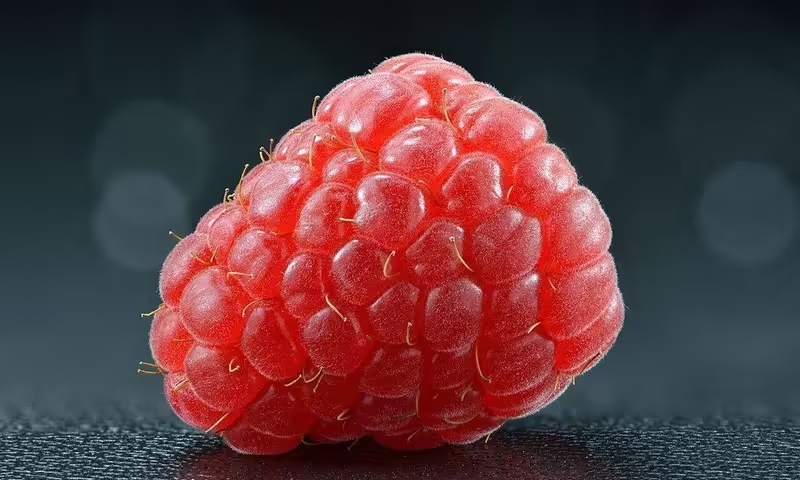
Freezing raspberries: the steps that matter
Keep the berries dry — skip washing if they are clean, otherwise rinse briefly and dry patiently. Freeze in a single layer, untouched, and store in shallow layers so nothing presses down on the fruit.
Before it goes in
- Sort carefully and discard any crushed or moldy berries — one bad berry seeds spoilage in the bag.
- Skip washing if the berries are clean; otherwise rinse briefly and dry for several hours on towels.
- Arrange in a single layer on a parchment-lined tray, not touching, and freeze until solid.
- Transfer gently to rigid containers or bags in shallow layers, pressing out air without pressing on the fruit.
Containers & wrapping
Rigid containers beat bags for raspberries — the hollow cores crush under any weight. If you use bags, lay them flat and shallow, and keep them on top of the freezer stack, never beneath the roast.
Freezer storage
8–12 months
Raspberries fade faster than sturdier berries; the color holds, but the flavor is at its best in the first half of the window. Use them early.
Safe and good are two different clocks for raspberries: at 0 °F / -18 °C it stays safe as long as it is solidly frozen, and the 8–12 months window above is about eating quality.
The right way to thaw raspberries
Thaw briefly in the refrigerator — an hour or two, no more — or use straight from frozen in smoothies and sauces. Fully thawed raspberries collapse; partially frozen they still have shape.
How many times can you freeze raspberries if you are careful?
Avoid it entirely. Raspberries have no resilience to spare; a second freeze turns them to wet tissue.
Texture & flavor changes
Expect the most dramatic softening of any berry — thawed raspberries are fragile, juicy, and slightly duller in color. The flavor itself stays true and tart, which is why sauce, coulis, and baking are their natural post-freezer homes.
Best uses after thawing
Where thawed raspberries shines:
- Coulis and sauces
- Smoothies
- Baking
- Jam
- Cocktail garnish (frozen)
Caveats worth knowing
- Never pile raspberries in a deep bag — the weight of the pile crushes the bottom layer into pulp.
- Washing is the enemy: wet raspberries ice together and the skins split. Dry is non-negotiable.
- Do not expect garnish-grade berries after thawing; only berries used straight from frozen look fresh.
Freezing raspberries: FAQs
How do you freeze raspberries without them getting mushy?
You cannot prevent softening, but you can limit it: keep them dry, freeze in a single uncrowded layer, and store in rigid containers so nothing presses on them. Use them partially frozen, straight into sauces or baking, where softness stops mattering.
How long can you freeze raspberries?
Eight to twelve months for good quality, though raspberries fade sooner than sturdier berries, so plan to eat them in the first half of that window. They remain safe while frozen solid; the flavor just turns quietly woody after that.
Should you wash raspberries before freezing?
Only if they genuinely need it. Raspberries absorb water and their skins are thin, so a rinse means hours of careful drying. If the berries are clean, freeze them as-is; the cold will handle any microbes.
Related foods