Can You Freeze Mushrooms?
A mushroom is mostly water held in a sponge of cells, and the freezer pops that sponge raw. Cooked, though, the water is already driven off — which is why a bag of sautéed mushrooms waiting in the freezer is one of the weeknight cook's best shortcuts.
Also called: button mushrooms · cremini mushrooms · sliced mushrooms · baby bella mushrooms
Yes — but sauté them first: raw mushrooms freeze soggy, while cooked ones come back ready for sauces, pizzas, and stirring.
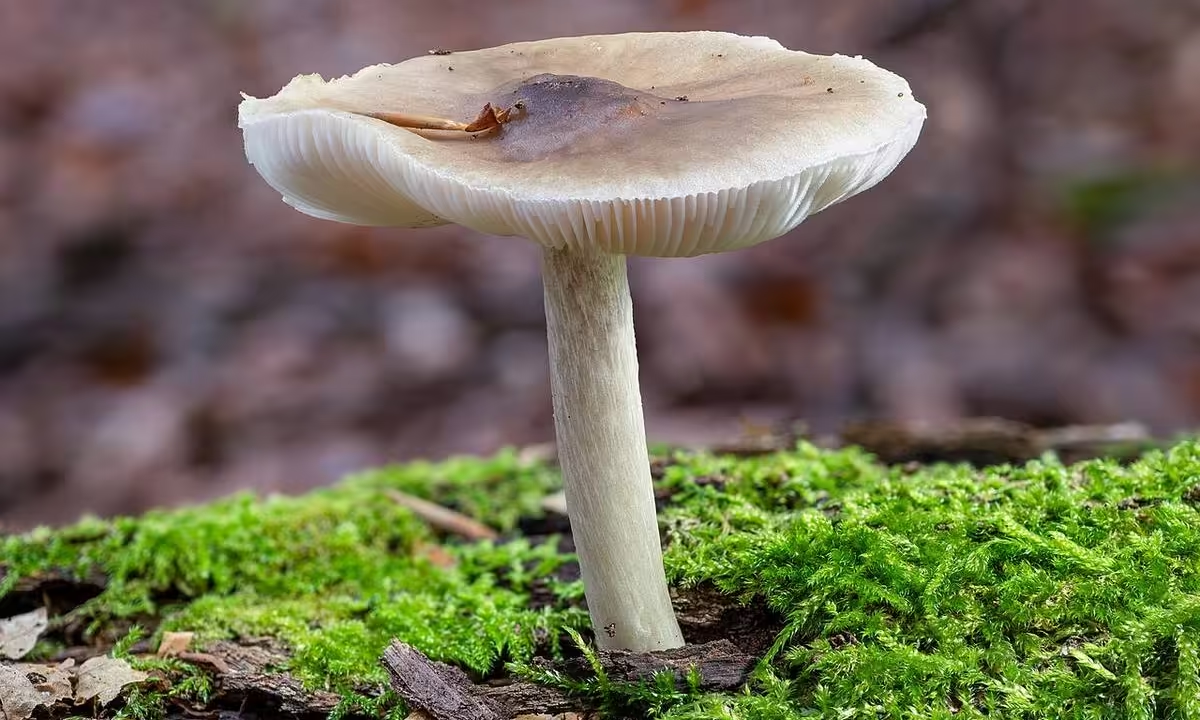
The freezer method for mushrooms
Sauté mushrooms in a little butter or oil until the released liquid cooks off and they brown, then cool and freeze in flat portions. They drop straight from the bag into sauces, pasta, and pizza toppings.
Before it goes in
- Brush mushrooms clean with a damp cloth; a quick rinse is fine, but dry them well.
- Slice or halve into even pieces so they cook at the same rate.
- Sauté in a hot pan until the released liquid evaporates and the edges brown.
- Spread on a plate to cool completely, then portion into freezer bags pressed flat.
- Skip salting before freezing — salt draws out water you want to keep in the mushroom.
Containers & wrapping
Flat freezer bags or small rigid containers. Cooked mushrooms are compact, so portion by the handful — one bag per pizza night, one per pasta.
Freezer storage
10–12 months
The browned, savory character holds well; what fades first is aroma and springiness, so use the oldest bags in long-simmered dishes.
The freezer stops the safety clock for mushrooms and only slows the quality one. At a steady 0 °F / -18 °C it stays safe while frozen, so the number on the label is about taste.
Thawing mushrooms: the practical method
No thawing needed — frozen sautéed mushrooms go straight into hot pans, sauces, and soups. If you must thaw, refrigerate overnight and expect some released liquid that cooks off.
Is a second freeze safe for mushrooms in practice?
Not recommended. Mushrooms that thawed warm or sat out are a genuine safety risk; cooked-then-frozen ones simply lose their texture on a second cycle.
Texture & flavor changes
Raw-frozen mushrooms thaw limp, dark, and waterlogged — good only for chopping into cooked dishes. Sautéed-then-frozen mushrooms keep their browned flavor and a pleasingly tender-chewy bite, losing only a little spring.
Best uses after thawing
Where thawed mushrooms shines:
- Pasta sauces
- Pizza topping
- Risotto
- Steak topping
- Soups and stews
Which version is it this time?
Sautéed mushrooms freeze well and reheat as an ingredient. Raw-frozen ones are best treated as a cooking ingredient only — chop them straight from the freezer into simmering dishes, never salads.
Caveats worth knowing
- Never freeze raw mushrooms you plan to serve as mushrooms — they emerge soft, dark, and watery.
- Do not freeze mushrooms that smell sour or feel slimy; freezing pauses spoilage but does not reverse it.
- Supermarket varieties freeze better than very fresh farm or wild mushrooms, which hold even more water.
Freezer questions for mushrooms
Can you freeze mushrooms without cooking them first?
You can, but they thaw soggy, dark, and waterlogged, suitable only for chopping into cooked dishes. Sautéing first drives off the water that ruins texture, so browned mushrooms freeze far better and reheat almost like fresh.
Do mushrooms need to be washed before freezing?
Clean them, yes — brush off dirt with a damp cloth or give a quick rinse and dry thoroughly. Extra surface water becomes ice crystals. Cooking before freezing matters far more than washing, though.
How long can you freeze cooked mushrooms?
Cooked mushrooms keep two to three months; raw sliced mushrooms keep ten to twelve months. They stay safe while frozen solid. The savory, browned flavor holds up well; aroma and springiness fade gradually, so use the oldest bags first.
Related foods