Can You Freeze Baby Formula?
Formula is the exception that surprises new parents: the freezer offers it nothing. Prepared formula is a perishable food whose safety clock runs whether or not it is frozen, and freezing does not pause it — it only complicates it. The powder in the pantry, meanwhile, needs nothing but a cool, dry shelf.
Also called: infant formula · prepared formula · formula bottles · freezing formula
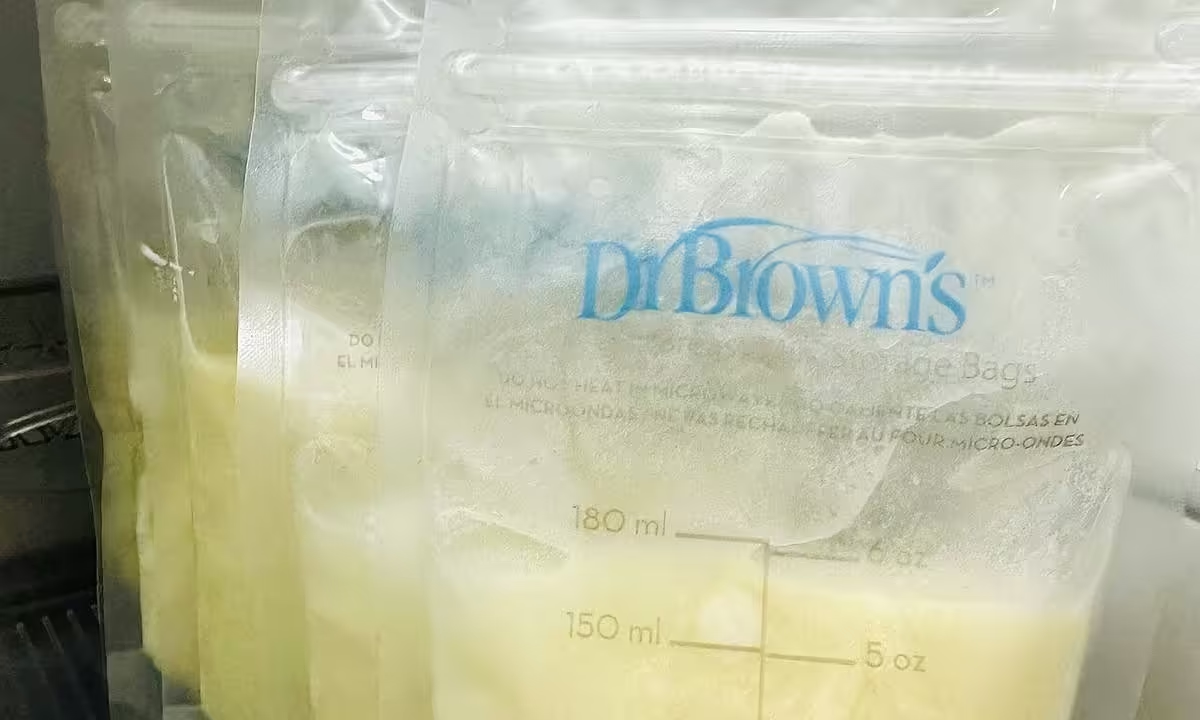
No — prepared formula should never be frozen; it gains nothing in quality or safety and spoils the same either way.
What to do instead
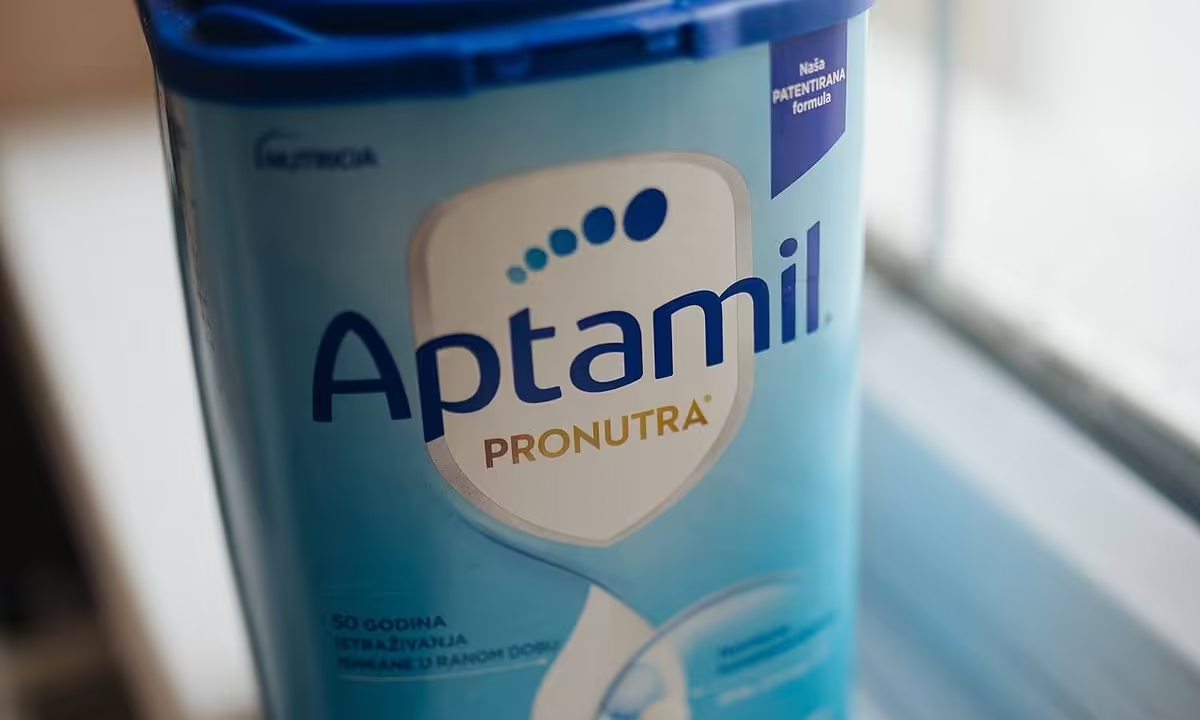
Do not freeze prepared formula. Mix bottles as needed — it takes two minutes — and store any excess prepared formula in the refrigerator for no more than twenty-four hours, per pediatric guidance.
Before it goes in
- Prepare formula fresh at each feed whenever possible.
- Refrigerate any excess prepared formula immediately and use it within twenty-four hours.
- Store unopened and opened powder in a cool, dry place — never the refrigerator or freezer, where moisture clumps it.
- Discard anything left in the bottle after a feed begins; bacteria from the baby's mouth grow quickly in formula.
Containers & wrapping
Prepared formula belongs in feeding bottles or covered pitchers in the refrigerator. Powder stays in its sealed tin or an airtight container in the pantry.
Storage
Not recommended
Prepared formula keeps twenty-four hours in the refrigerator — that is the whole window, frozen or not. Powder keeps for weeks after opening when stored dry, which makes freezing pointless even for bulk buyers.
A freezer at 0 °F / -18 °C is a safety off-switch for baby formula. It stays safe for as long as it is solid, so the Not recommended window on this page is a quality promise rather than a deadline.
If it froze anyway
Not applicable — but a frozen bottle of formula that already exists should be thawed in the refrigerator and discarded if it has been frozen longer than a day, since its safety clock never paused.
A second round after an accident
Never — and freezing once was already the mistake to avoid next time.
Texture & flavor changes
Freezing drives the fat in formula to separate and can make the mixture grainy, and nothing about the process extends the window in which it is safe to feed. A frozen-and-thawed bottle is not fresher than a refrigerated one — it is the same age with extra handling.
If it froze anyway, use it here
Where it still works:
- Fresh preparation
- Room-temperature feeding
- Powder storage
Which version is it?
Prepared formula: refrigerate up to twenty-four hours, never freeze. Powder: store cool and dry; freezing adds moisture risk for zero benefit. Ready-to-feed cartons follow the same rules as prepared bottles.
Caveats worth knowing
- Freezing does not extend formula's safety window the way it does for most foods — bacteria that grow in prepared formula grow just as happily after thawing.
- Powdered formula exposed to freezer moisture clumps and can spoil faster; the pantry is the correct home for it.
- For bulk prep, refrigerate a full day's bottles in sealed bottles rather than freezing — the twenty-four-hour refrigerator rule is the real tool here.
Baby Formula FAQs
Why can't you freeze baby formula?
Prepared formula is highly perishable, and freezing does not pause its safety clock — it only separates the fat and degrades the texture. Pediatric guidance caps prepared formula at twenty-four refrigerated hours, whether frozen in between or not, so the freezer adds risk and handling for no gain.
Can you freeze formula to make it last longer?
No — this works for almost every food except this one. Formula's twenty-four-hour clock runs from mixing, not from thawing, so a frozen bottle is not extended life, it is the same bottle with a detour. Mix fresh, or refrigerate a day's worth at most.
Can you freeze formula into ice cubes for teething?
It is not recommended. Frozen formula cubes melt into unsafe holding territory as the baby mouths them, and formula's handling rules make the idea riskier than chilled (not frozen) alternatives. Ask your pediatrician about safe teething relief instead.
Related foods