Can You Freeze Milk?
That half-gallon expiring Thursday does not need to become Friday's problem. Frozen milk is a cooking workhorse: it thaws into pancakes, béchamel, and overnight oats without complaint, even though it will never quite pour like fresh again.
Also called: whole milk · skim milk · cow's milk · fresh milk
Yes — milk freezes fine, but thawed it separates and works best in cooking, baking, and smoothies rather than a glass.
The freezer method for milk
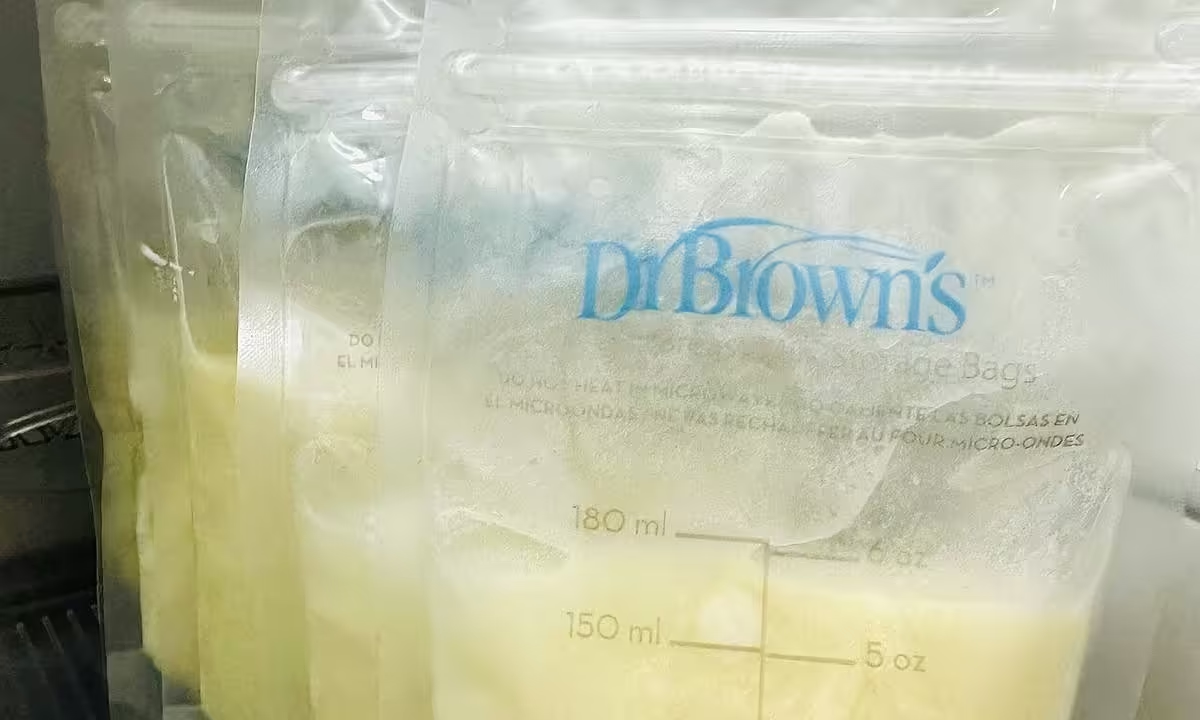
Freeze milk in its original carton only if it has headroom — milk expands about 9%, so pour off roughly a cup first, or freeze in portioned freezer bags laid flat to stack like tiles.
Before it goes in
- Check the date — freeze milk while it is still fresh, never as a rescue for milk on the edge.
- Pour off about one cup from a full carton to leave expansion room, or decant into freezer-safe bags.
- Portion into 1-cup amounts in flat freezer bags if you cook more than you drink.
- Squeeze out excess air, seal, and label with the date and the volume.
Containers & wrapping
Original plastic cartons with headroom, wide-mouth freezer jars filled only three-quarters full, or flat-laid freezer bags. Glass bottles can shatter — use freezer-rated glass only.
Freezer storage
3 months
Count from the freeze date, not the carton's sell-by date. Fat separates and rises over time, so sooner is smoother.
Nothing spoils while milk is genuinely frozen. Held at 0 °F / -18 °C it is safe indefinitely, and the date on the bag tracks flavor and texture rather than danger.
Thawing milk: the practical method
Thaw in the refrigerator overnight — a gallon takes about a day, smaller portions less. Shake or whisk vigorously before using to recombine the fat that separated during freezing.
Is it safe to refreeze milk without risk?
Not recommended. Refreezing thawed milk deepens the separation and invites off flavors; keep it refrigerated and use within three to four days instead.
Texture & flavor changes
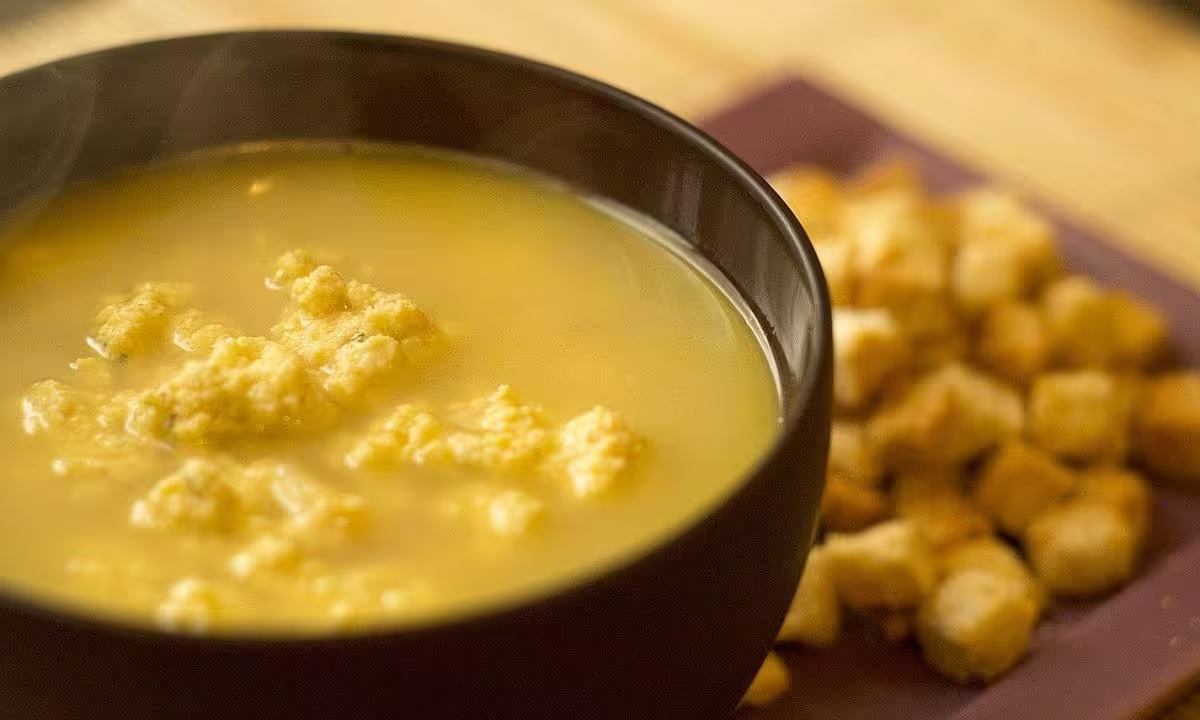
The fat globules clump and the texture turns slightly grainy, so thawed milk can look curdled in the glass even when it is perfectly fine. A hard shake fixes the pour; baking and cooking hide it completely. Skim milk suffers less than whole milk.
Best uses after thawing
Where thawed milk shines:
- Pancakes and waffles
- Mashed potatoes
- White sauces
- Baking
- Smoothies
Which version do you have?
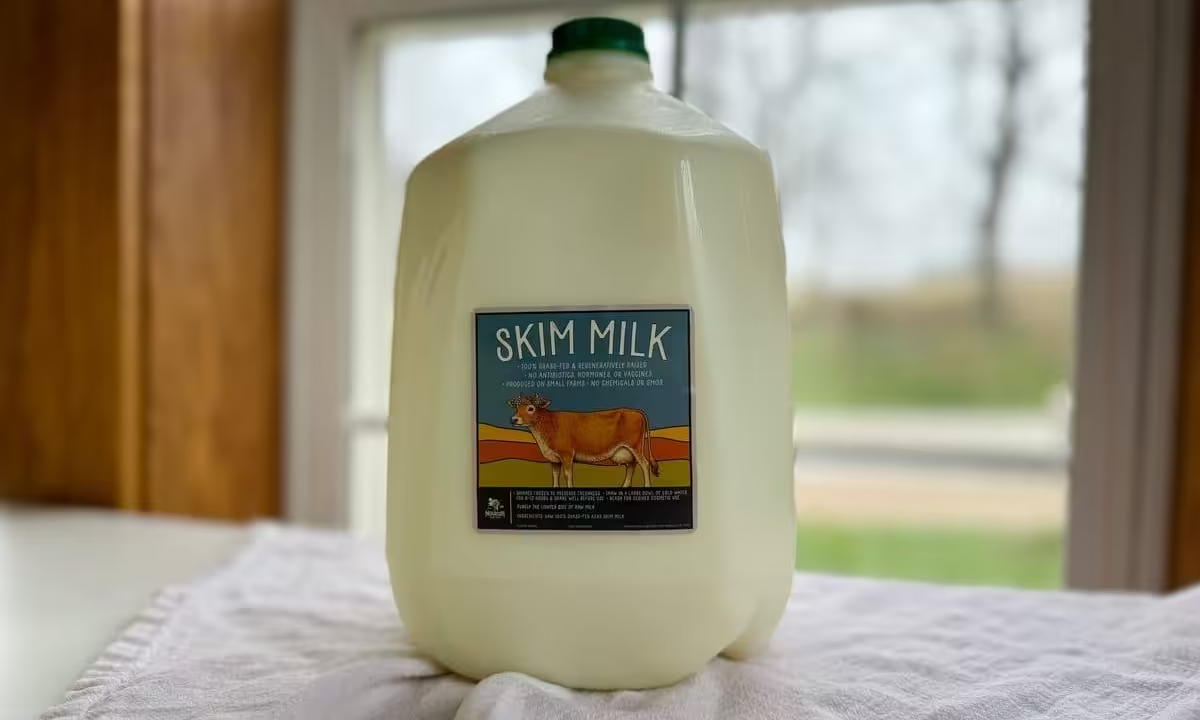
Skim and low-fat milk freeze and thaw with the least separation because there is less fat to clump. Whole milk still freezes well but needs the most vigorous shake after thawing.
Pasteurized milk is the straightforward case. Raw milk is best frozen as quickly as possible after purchase and thawed in the fridge; note that some raw-milk guidance recommends against freezing for extended periods — check local advice.
Caveats worth knowing
- Never freeze milk in a sealed glass bottle or a full carton — expansion cracks glass and bursts seams.
- Do not freeze milk that is close to or past its date; freezing pauses spoilage, it does not rewind it.
- If thawed milk smells or tastes sour once thawed, it was already going — trust your nose and discard.
Questions about milk in the freezer
Can you freeze milk in the carton?
Yes, if it is plastic and you pour off about a cup first to leave room for expansion. Never freeze a sealed glass bottle — the expanding milk will crack it. Wipe the carton dry, cap it tightly, and set it upright in the coldest part of the freezer.
How long can you freeze milk?
For best quality, use frozen milk within three months. It stays safe indefinitely at 0 °F as long as it remains frozen solid, but the separation and off flavors grow more pronounced the longer it sits.
Why did my thawed milk look curdled?
Freezing makes milk fat clump together, which reads as graininess or curdling. It is a texture change, not spoilage. Whisk it hard or blend it for a few seconds; if it still smells sour rather than just looking odd, discard it.
Related foods