Can You Freeze Butternut Squash?
Butternut squash fights back — the peeling, the seeding, the wrestling — and the freezer lets you win once and eat all winter. Cubed raw, no blanching required, a single hard afternoon of prep becomes months of instant soup and roasting trays.
Also called: butternut squash · winter squash · squash cubes
Yes — butternut squash freezes raw in cubes with no blanching, making it the ultimate peel-once, cook-later shortcut.
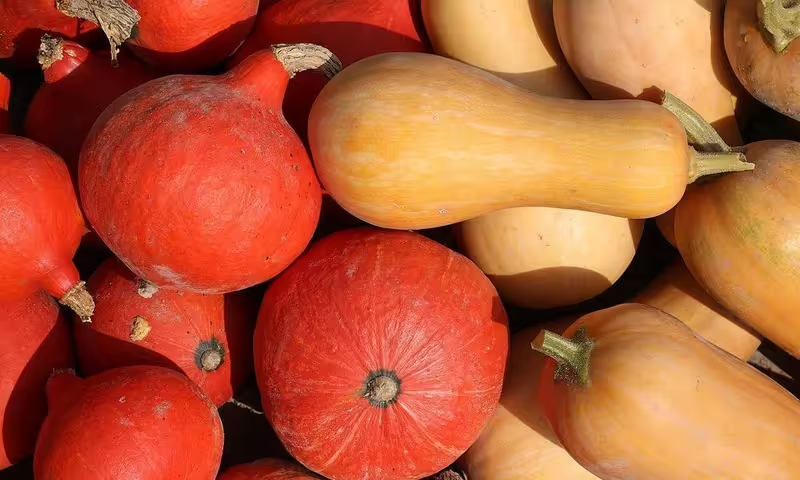
Best way to freeze butternut squash
Peel, seed, and cube the squash raw, then freeze open on trays and bag. The frozen cubes roast, steam, or simmer straight from the freezer — many cooks swear they caramelize better from frozen.
Before it goes in
- Peel with a sturdy vegetable peeler or sharp knife; cut off both ends.
- Halve, scoop out the seeds, and cut the flesh into even one-inch cubes.
- Spread the cubes in a single layer on lined trays and freeze until solid.
- Pour into bags, press out the air, and label — frozen squash cubes all look alike.
Containers & wrapping
Tray-freeze before bagging so cubes pour individually; flat freezer bags stack efficiently. Whole uncut squash does not need the freezer — it keeps for months in a cool pantry.
Freezer storage
10–12 months
Raw-frozen cubes hold color and sweetness for most of a year; the surface may frost white, which is harmless.
Keep the freezer at 0 °F / -18 °C and safety stops being a question for butternut squash. What the calendar measures is quality: past its window it is safe, only a step further from fresh.
Thawing butternut squash: the steps that matter
Skip it — roast frozen cubes at high heat with oil, or simmer directly into soup and curry. They soften quickly and release a little water, so give roasting pans space.
Is a second freeze okay for butternut squash at home?
Not recommended once thawed — thawed squash cubes weep and slump; refrozen they turn watery. Portion sensibly at the start.
Texture & flavor changes
Frozen-thawed cubes are slightly softer than fresh-cut but hold their shape remarkably for a raw-frozen vegetable. Roasted, they develop deep caramelization; puréed, they are indistinguishable from fresh-cooked squash.
Best uses after thawing
Where thawed butternut squash shines:
- Roasted cubes
- Butternut soup
- Curries
- Pasta sauces
- Squash purée
Caveats worth knowing
- Cut uniformly — mixed sizes mean some cubes burn while others stay hard in the same roast.
- Whole squash keeps for months without freezing; only peel and cube when you actually plan to freeze.
- Microwaving the squash for a few minutes before peeling softens the skin fight, if raw peeling is too much.
Freezing butternut squash: what readers ask
Can you freeze butternut squash raw?
Yes — it is one of the few vegetables that freeze well completely raw. Peel, cube, tray-freeze, and bag. The cubes roast and simmer straight from frozen, and no blanching step is needed at any point.
How long can you freeze butternut squash cubes?
Ten to twelve months at good quality. They stay safe while frozen solid; a white frost on the cubes is harmless ice. Flavor stays sweet, though the deepest color comes from the first few months.
Can you freeze cooked butternut squash or soup?
Yes — roasted squash and butternut soup both freeze well in flat portions for two to three months. Puréed squash is especially convenient, thawing into a ready base for pasta sauce or baby food.
Related foods