Can You Freeze Roasted Vegetables?
Sunday's sheet pan is a gift to Wednesday. Roasted vegetables freeze far better than their soft reputation suggests — spread flat, they thaw fast and a hot oven brings back the caramelized edges, something the microwave never manages.
Also called: roast vegetables · oven-roasted vegetables · roasted veg
Yes — roasted vegetables freeze well in flat portions; reheat in a hot oven, which re-crisps edges a microwave cannot.
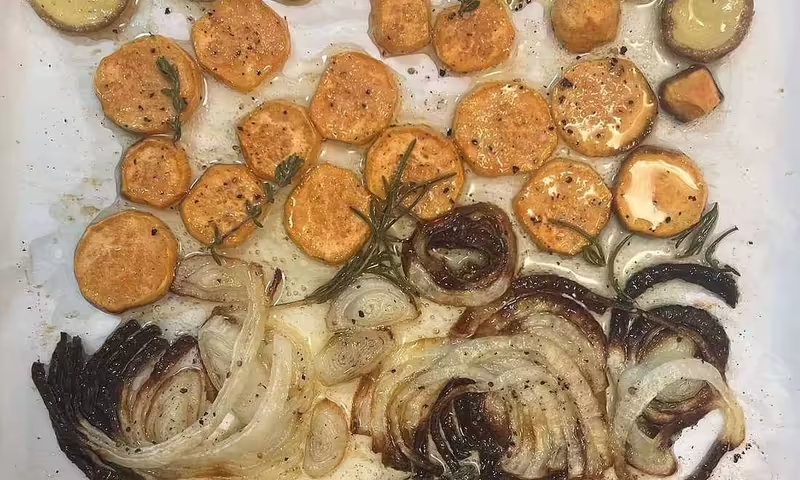
Freezing roasted vegetables step by step
Cool roasted vegetables completely, spread in flat freezer bags or a single container layer, and freeze. Reheat from frozen in a 425 °F oven until the edges re-crisp — usually 15 to 20 minutes.
Before it goes in
- Cool the roasted vegetables fully so trapped steam does not turn to ice.
- Portion into flat freezer bags in meal amounts, or spread in one shallow container layer.
- Press out the air, seal, and freeze flat for fast thawing and easy stacking.
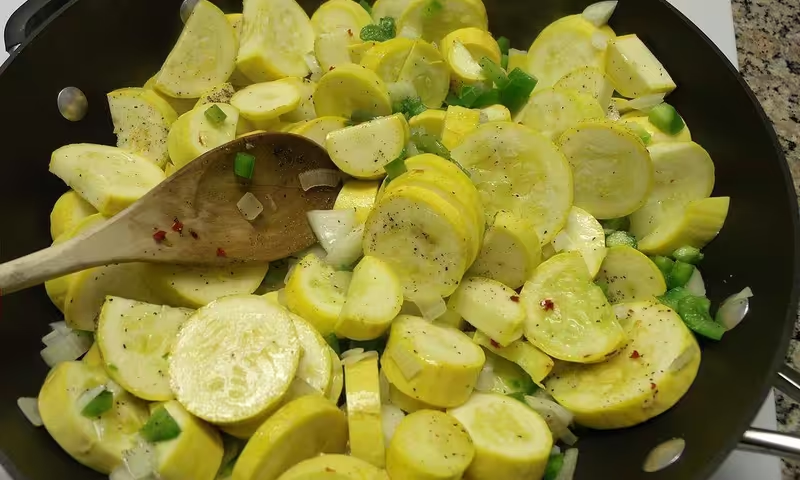
- Keep soft vegetables like zucchini separate from roots if you plan to re-crisp them.
Containers & wrapping
Flat freezer bags are ideal — thin layers thaw and reheat evenly. Rigid containers work for mixed medleys destined for frittatas and grain bowls.
Freezer storage
2–3 months
Roasted flavor holds better than you would expect; the edges soften first. Oil-coated pieces re-crisp more reliably than bare ones.
Nothing spoils while roasted vegetables is genuinely frozen. Held at 0 °F / -18 °C it is safe indefinitely, and the date on the bag tracks flavor and texture rather than danger.
How to defrost roasted vegetables
Reheat straight from frozen in a hot oven or under the broiler — no thaw step. The oven drives off surface moisture and restores some caramelization; the microwave only makes them steam.
Can roasted vegetables be frozen twice in a row safely?
Not recommended — reheated roasted vegetables have been through enough; refreezing turns them watery and dull. Portion by meal the first time.
Texture & flavor changes
Expect softer centers and less-crackly edges after freezing, with the charred flavor intact. A hot oven recovers most of the texture; the microwave recovers none. Potatoes and roots re-crisp best, zucchini and peppers stay softest.
Best uses after thawing
Where thawed roasted vegetables shines:
- Grain bowls
- Frittatas and omelets
- Pasta tosses
- Quick side dish
- Soup starter
Which version are you freezing?
Potatoes, carrots, squash, and other roots re-crisp impressively in a hot oven. Zucchini, peppers, and eggplant thaw soft and are better destined for frittatas, pasta, and puréed soup than a second round of roasting.
Caveats worth knowing
- Do not expect sheet-pan-fresh crispness — freezing softens even the best roasted edges; the hot oven recovers most, not all, of it.
- Freeze within a couple of hours of roasting; vegetables left out overnight should go to the fridge, not the freezer.
- Mixed medleys thaw unevenly — dense roots and quick-cooking zucchini in one bag means one is overdone at reheating.
Freezing roasted vegetables: common questions
Can you freeze roasted vegetables and reheat them?
Yes — freeze them flat in bags once cooled, then reheat from frozen in a 425 °F oven for 15 to 20 minutes. The hot oven re-crisps the edges; the microwave turns them soggy, so give it a pass.
How long do roasted vegetables last in the freezer?
Two to three months for best quality. They stay safe while frozen solid, but the caramelized edges soften and flavors dull over time — labeled meal-sized portions keep the rotation honest.
Why do my reheated roasted vegetables turn soggy?
Usually the microwave, which steams instead of crisps. Use a hot oven or broiler, spread the vegetables in a single layer with space between pieces, and give frozen portions a few extra minutes — surface moisture evaporates and the edges return.
Related foods