Can You Freeze Curry?
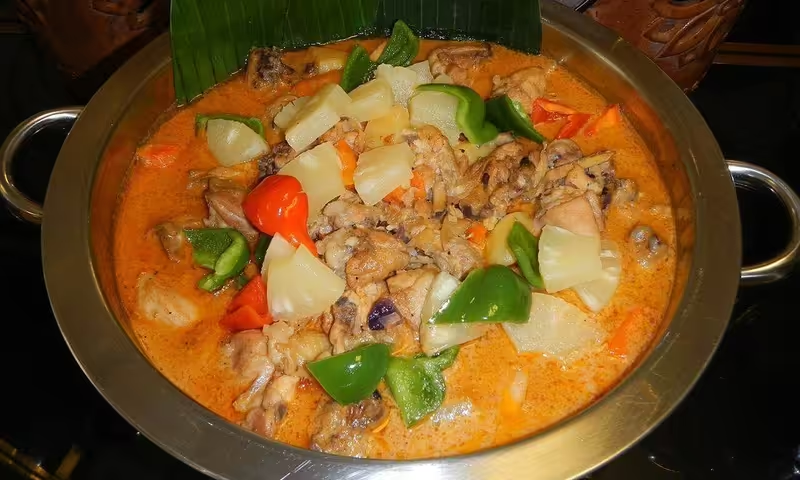
Curry is one of the few dishes that genuinely improves overnight, and the freezer stretches that window by weeks. Tomato and onion gravies hold their body, coconut-milk curries re-emulsify with a whisk — the only real troublemakers are potatoes and anything you wanted crisp.
Also called: coconut curry · indian curry · thai curry · leftover curry
Yes — curry freezes well, especially coconut-milk versions that recombine smoothly; potatoes turn waterlogged and are best left out.
Freezing curry the right way
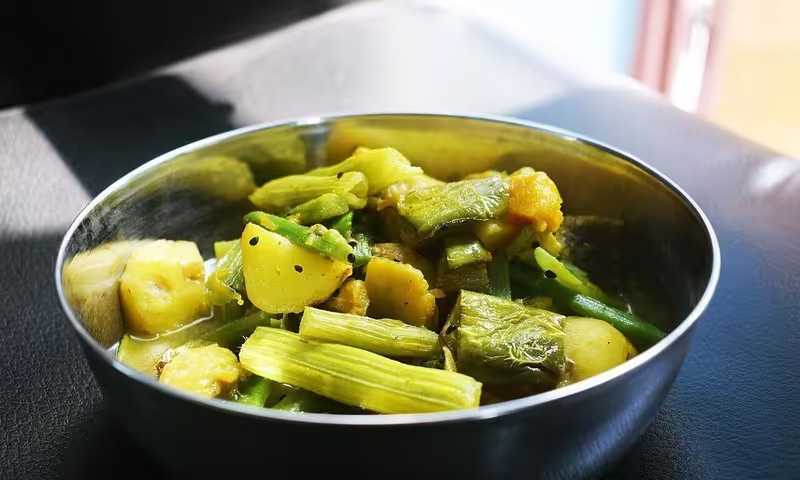
Freeze the curry sauce with its meat or vegetables but without potatoes, in portioned containers. Coconut curries recombine well from frozen — reheat gently and whisk at the end to bring the sauce back together.
Before it goes in
- Cool the curry quickly in shallow pans — big pots hold heat stubbornly.
- Pick out potato chunks if the recipe has them; they go mealy and drink the sauce.
- Stir coconut curries well before portioning so the cream freezes evenly distributed.
- Portion into single or family servings, leaving an inch of headroom.
- Label with the style — vindaloo and korma look identical frozen.
Containers & wrapping
Rigid containers with headroom or flat freezer bags. Turmeric stains plastic permanently; glass jars with headroom spare your Tupperware the gold bath.
Freezer storage
2–3 months
Garam masala and fresh ginger lose their brightness first. A squeeze of lime and a scatter of cilantro at reheating reset the whole dish.
Freezer burn, drying and dulled flavor are quality problems with curry, not safety ones — anything solidly frozen at 0 °F / -18 °C is still fine to eat, just further from fresh.
How to thaw frozen curry
Thaw overnight in the refrigerator and reheat gently — hard boiling can split coconut-milk sauces. Whisk or stir hard at the end, adding a splash of water if the sauce tightened.
Can you refreeze curry once it has thawed at home?
No for reheated curry. A fridge-cold, never-heated portion can go back once, but the sauce thins each round — portion instead.
Texture & flavor changes
Coconut-milk curries recombine well with a whisk; cream and yogurt-based curries can look slightly split until stirred over gentle heat. Vegetables soften further, potatoes suffer most, and the spice heat stays exactly where you left it.
Best uses after thawing
Where thawed curry shines:
- Rice bowls
- Naan dipping
- Freezer-bag work lunches
- Curry pies
Which version is it this time?
Coconut-milk curries re-emulsify best. Dairy-based curries survive fine but can look broken; a slow reheat with steady stirring fixes most of it.
Caveats worth knowing
- Potato caveat is real: potatoes turn grainy and absorb sauce, so add fresh-boiled ones at reheating instead.
- Yogurt-heavy curries can split visually; freeze the base and stir yogurt in fresh if the look matters to you.
- Cool rice and curry quickly and separately — cooked rice carries a hard fast-chilling rule the freezer helps you meet.
What people ask about freezing curry
Can you freeze coconut curry?
Yes — coconut-milk curries are among the best-freezing curries. The cream layer may separate on thawing, but a whisk and a gentle reheat recombine it completely. Reheat until steaming hot throughout and finish with lime or fresh cilantro to revive the brightness.
How long does curry last in the freezer?
Two to three months for best quality. The sauce stays safe indefinitely while frozen, but the ground spices and fresh ginger lose their edge over time — a squeeze of citrus and fresh herbs at reheating reset the dish.
Can you freeze curry with potatoes in it?
It is safe, but potatoes turn grainy and soak up the sauce. Freeze the curry without them when you can and add freshly boiled potatoes at reheating — you get better texture and the sauce stays where it belongs.
Related foods