Can You Freeze Chicken Soup?
The sick-day staple doubles as the best freezer investment in home cooking. A whole bird yields more meat and broth than one meal needs, and the surplus turns into frozen comfort that reheats better than almost any other leftover.
Also called: chicken noodle soup · chicken broth soup · homemade chicken soup
Yes — chicken soup is a freezer classic; freeze the broth-and-chicken base and cook fresh noodles in when you reheat.
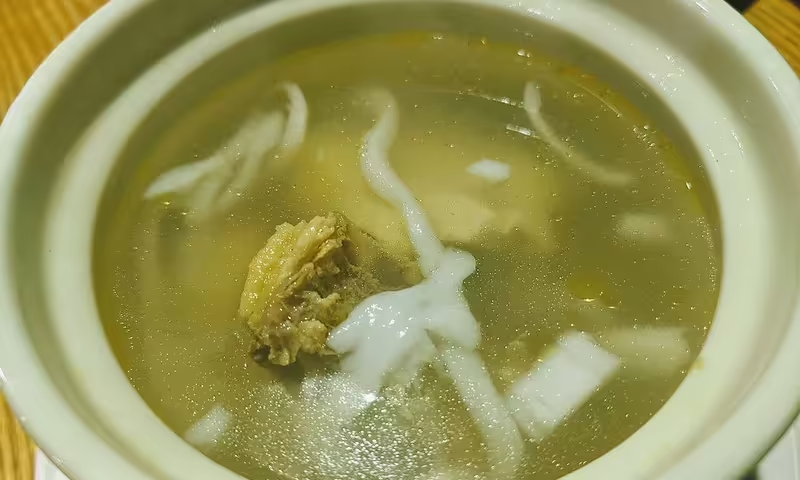
Freezing chicken soup: the practical method
Freeze a concentrated, noodle-free base — broth, shredded chicken, and vegetables — in meal portions, then cook fresh noodles straight into the thawed soup. The broth carries everything; the noodles never belonged in the cold.
Before it goes in
- Pick the meat off the bones and shred it into bite-size pieces.
- Leave the noodles out of the freeze — they drink broth and turn to mush.
- Portion the base into 1-quart containers or flat bags with an inch of headroom.
- Season slightly boldly; freezing mutes salt and herbs a touch.
- Label each container with the date and the contents.
Containers & wrapping
Wide-mouth containers or flat freezer bags; slabs of frozen base stack like books and thaw in a pan in minutes. Broth expands, so leave headroom everywhere.
Freezer storage
2–3 months
The broth carries the flavor, and it fades gently — use the oldest portions first. Dill and parsley taste fresher added at reheating.
Keep the freezer at 0 °F / -18 °C and safety stops being a question for chicken soup. What the calendar measures is quality: past its window it is safe, only a step further from fresh.
How to thaw chicken soup properly
Overnight in the refrigerator, or straight into a pot from frozen over medium-low heat. Bring it to a full simmer and cook fresh noodles in the soup itself.
Is a second freeze okay for chicken soup at home?
No — reheated chicken soup does not go back into the freezer. The only edge case is a frozen base that thawed in the fridge without being heated; even then, smaller portions are the better habit.
Texture & flavor changes
The broth stays true and the shredded chicken stays tender, sometimes even more flavorful after a month. Carrots soften a little; celery loses its snap. The missing thing is noodle texture, which is exactly why noodles wait until reheat.
Best uses after thawing
Where thawed chicken soup shines:
- Sick-day bowls
- Quick lunches
- Noodle-soup base
- Chicken and dumplings
Which version are you freezing?
Shredded chicken distributes better through a thawed soup and rehydrates more evenly than large chunks, which can taste dry at the edges after freezing.
Caveats worth knowing
- Never freeze chicken soup with the noodles in — they bloat, drink the broth, and fall apart on reheating.
- Chill the pot within two hours of cooking and freeze within three to four days; soup lingers warm longer than most foods.
- Matzo balls and dumplings freeze, but separately — left in the broth they turn dense and waterlogged.
The chicken soup freezer FAQ
Can you freeze chicken noodle soup?
You can, but the noodles suffer — they soak up broth and turn swollen and mushy after thawing. The better move is freezing a noodle-free base of broth, chicken, and vegetables, then cooking a fresh handful of noodles into the reheated soup. It tastes like a new pot, not a leftover.
How long does chicken soup last in the freezer?
Two to three months for best quality. It stays safe indefinitely while frozen solid at 0 °F, but the broth's brightness and the fresh herb notes fade gradually, so label the date and use the oldest portions first.
Can you freeze chicken soup with rice or matzo balls in it?
Rice is safe to freeze but swells and softens; matzo balls and dumplings turn dense and waterlogged. Both are better frozen separately from the broth base, or added fresh during reheating when you can manage it.
Related foods