Can You Freeze Paella?
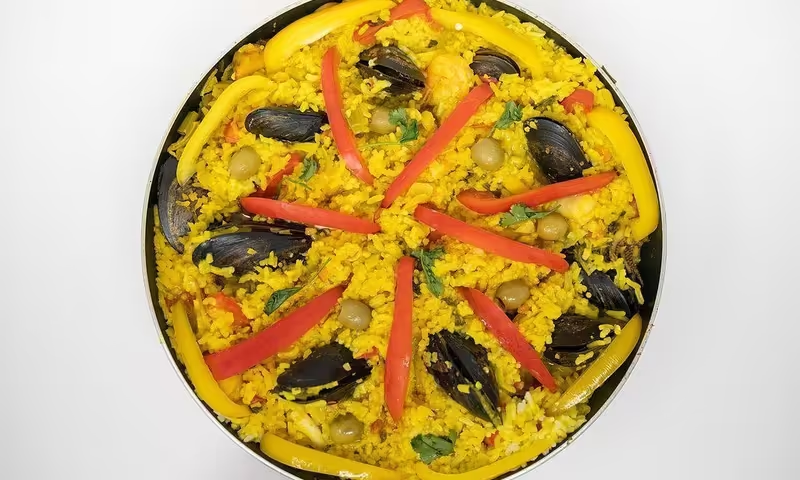
Paella's whole personality is texture: separate grains, a crackling socarrat, seafood cooked to the minute. The freezer keeps the flavor and gives up the texture — freeze it knowing the saffron and paprika will be fine, and the crisp bottom will not.
Also called: seafood paella · valencian paella · spanish rice
Yes — paella freezes safely, but its crisp socarrat bottom is gone and the rice shifts; still better than throwing it out.
How to store paella in the freezer
Cool quickly, pack flat in shallow containers, and freeze within a day. Freeze seafood-heavy paella without the seafood when possible — the rice and sofrito base thaws back far better than prawns or mussels ever do.
Before it goes in
- Spread the paella into shallow containers so it chills fast — rice should not loiter warm.
- Pick out prawns and mussels if you plan ahead; they turn rubbery and their flavor dulls.
- Add a splash of stock to each portion to keep the rice from drying.
- Do not try to preserve the socarrat — it will not survive, so let it go.
- Label each container with the date and the contents.
Containers & wrapping
Shallow rigid containers or flat bags; wide shapes reheat more evenly. Glass is kind to the saffron stains that would wreck plastic.
Freezer storage
2 months
The rice dries and firms over time even sealed well; two months is the quality ceiling, and seafood versions fade sooner.
A freezer at 0 °F / -18 °C is a safety off-switch for paella. It stays safe for as long as it is solid, so the 2 months window on this page is a quality promise rather than a deadline.
Thawing paella safely
Refrigerator overnight, then reheat covered in a wide pan with a splash of stock, stirring gently. Get it steaming hot throughout — the cooked-rice rule applies twice over when shellfish is in play.
How do you refreeze paella safely at home?
No — reheated rice dishes are a one-way trip. Freeze in meal portions so nothing comes back for seconds.
Texture & flavor changes
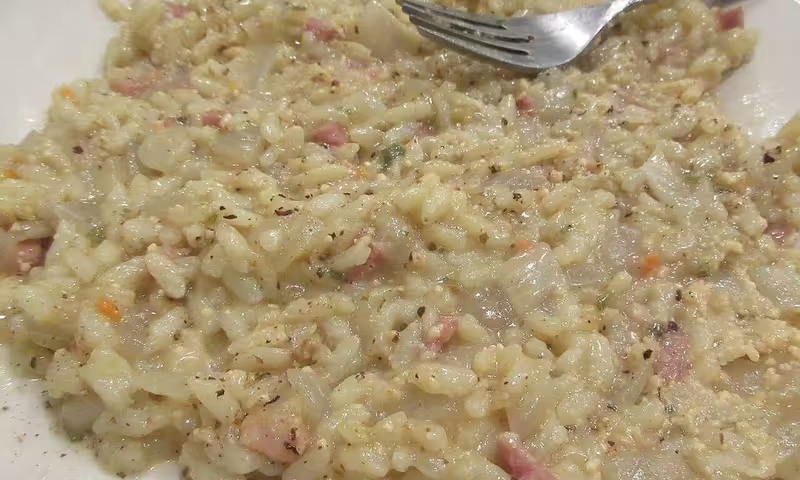
Grains firm and lose their separate identity, reading closer to a moist risotto than a paella. The prized crisp bottom is gone for good, and seafood turns rubbery — which is exactly why it is better frozen out of the dish entirely.
Best uses after thawing
Where thawed paella shines:
- Lunch bowls
- Rice fritter mix
- Stuffed peppers
- Quick dinners
Which version are you working with?
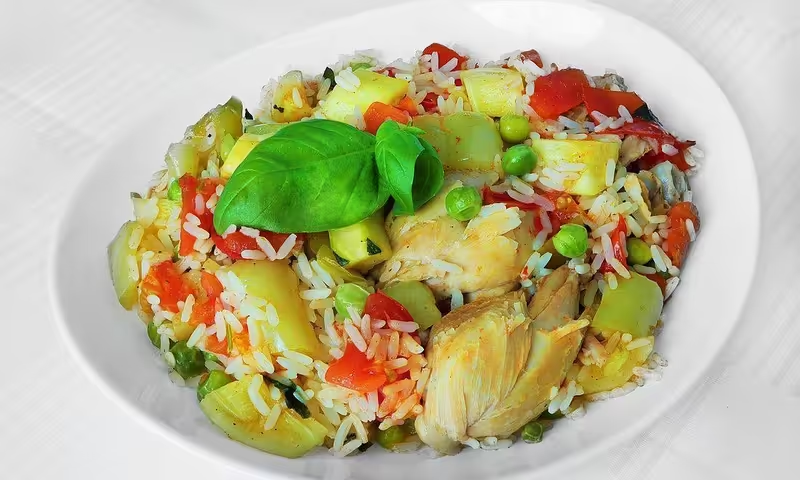
Mixed meat paella with chicken or chorizo thaws back respectably; seafood paella is the freezer's toughest customer. Freeze the rice base and add fresh seafood at reheating.
Caveats worth knowing
- The socarrat does not survive freezing — repurpose reheated paella into fritters or stuffed peppers instead of mourning it.
- Seafood paella thaws the worst of any version; prawns and mussels go rubbery and the flavors dull.
- Cool within the hour and reheat steaming hot — cooked rice plus shellfish is a food-safety pairing that demands discipline.
Freezing paella: common questions
Can you freeze paella?
Yes, with a clear trade: the flavor holds, the texture does not. The rice firms and loses its separate grains, and the socarrat — the crisp bottom — is gone for good. Freeze flat, reheat with stock, and repurpose leftovers into fritters or stuffed peppers.
How do you reheat frozen paella?
Thaw overnight in the refrigerator, then reheat in a wide, covered pan over medium-low heat with a splash of stock, stirring gently. Get it steaming hot throughout — especially important with seafood versions — and finish uncovered if you want any color back.
How long does paella last in the freezer?
About two months for best quality. The rice dries and firms over time even when sealed well, and seafood versions fade sooner than meat ones. It stays safe while solidly frozen; the calendar measures texture, not safety.
The details that decide it
Paella dries from the top down, so the crust tells you before the rice does
Paella is a cooked-rice dish and usually a shellfish one, so it is a dish to move quickly rather than leave for later. Cool it within an hour and freeze it within three to four days at the outside, and sooner than that when shellfish is involved, since prawns and mussels are at their best the day they are cooked. Freezing does not rescue a pan that has already spent four days in the refrigerator.
- Get paella off the pan and chilled within the hour.
- With shellfish in the dish, freeze it within a day or two.
- Freezing cannot reset a dish that has waited too long.
Saffron, paprika and stock: the flavours that survive the freezer
What freezes well in paella is the seasoning, not the structure. Saffron, smoked paprika, the sofrito and the stock all come back close to full strength, which is why a thawed portion still tastes unmistakably of paella even when the rice has lost its looseness. Aromatics behave differently: the briny smell of the sea fades from shellfish as it sits, so a shellfish pan loses more than a meat one even though both freeze safely. Which is also why a paella made with the freezer in mind looks slightly different: a stronger sofrito pushed further than usual, a little more stock than you would serve so the rice can dry out in storage without stiffening, and the shellfish held back and added only to the portions you eat fresh.
- Saffron, paprika and sofrito survive the freeze almost intact.
- The briny aroma fades before the shellfish flavour does.
- Pack it wetter than you would serve and hold the shellfish back until the day.
What the freezer does to prawns, mussels and squid
Shellfish is the part of paella that suffers most and the part people notice first. Prawns and squid come back rubbery, mussels and clams lose the briny edge that made the dish taste of the sea, and none of them return to the texture they had in the pan. If you know in advance that half the paella is headed for the freezer, cook the shellfish separately and add it only to the portions you are eating fresh.
- Prawns and squid turn rubbery; mussels lose their brininess.
- Cook shellfish separately if you plan to freeze half the pan.
- The rice and the sofrito are the parts that freeze properly.
Related foods