Can You Freeze Stir-Fry?
The wok's whole appeal is contrast — snappy vegetables against glossy sauce — and that contrast is exactly what freezing flattens. Leftover stir-fry freezes safely and eats fine over rice; it just stops being stir-fry and becomes a saucy, softer vegetable bowl.
Also called: leftover stir fry · wok leftovers · veggie stir fry
Yes — stir-fry freezes safely, but the vegetables soften and the sauce takes over; freezing components separately keeps the wok texture.
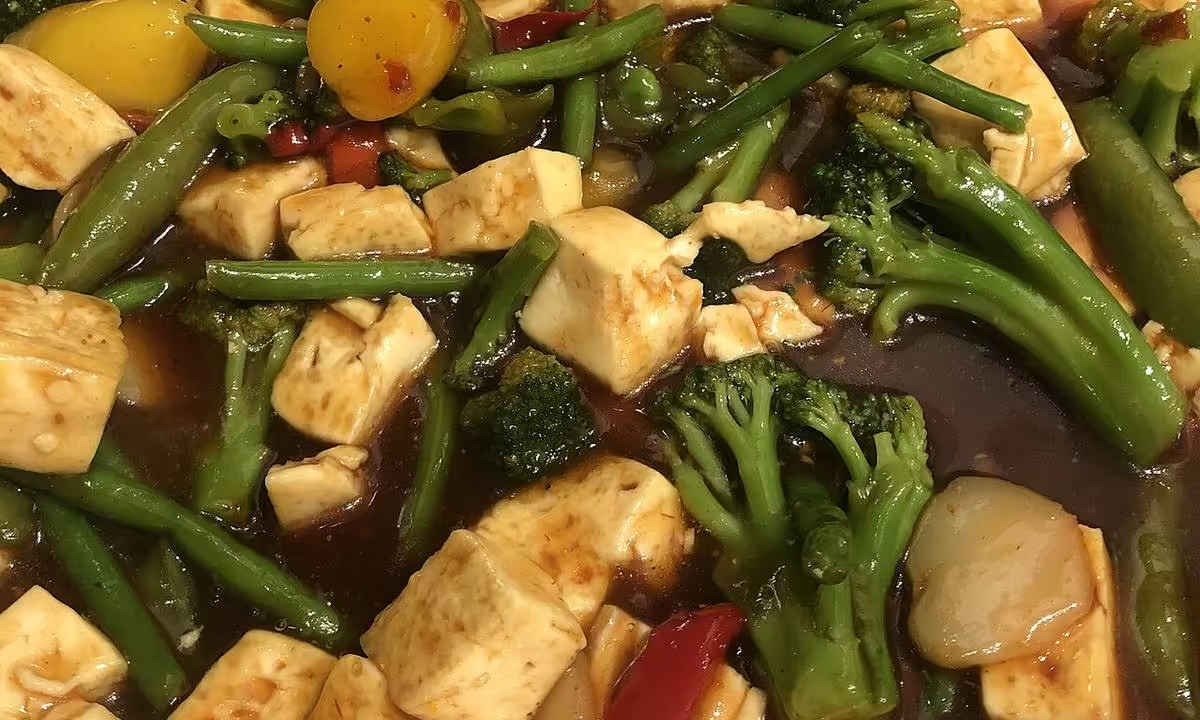
How to freeze stir-fry well
Best practice is component freezing: keep the sauce, protein, and rice in separate containers, then wok them together hot from thawed. If the leftovers are already mixed, freeze in flat portions and accept a softer revival.
Before it goes in
- Cool the leftovers quickly — spread them on a tray or divide into shallow containers.
- Freeze the sauce separately when you can; it revives best on its own.
- Pack flat in bags or containers so portions thaw in minutes.
- Under-sauce each portion slightly; frozen vegetables release water that dilutes the sauce.
- Keep the rice in its own container — it reheats differently than the stir-fry.
Containers & wrapping
Flat freezer bags for mixed leftovers; small containers for sauce and rice components. Wide, flat shapes reheat fastest and most evenly.
Freezer storage
2 months
Vegetable texture fades fastest — snap gives way to soft within weeks. The sauce keeps well, so component freezing stretches the overall window.
Read the window on stir-fry as advice, not a warning. At 0 °F / -18 °C it is safe to eat at any age; 2 months is simply where the flavor and texture are worth the most.
How to defrost stir-fry
Fridge-thaw overnight, then reheat in a screaming-hot wok or skillet in small batches until steaming throughout; add a splash of soy or stock to refresh the sauce.
Can you thaw and refreeze stir-fry if you are careful?
No — reheated stir-fry has completed its journey. Freeze in meal-sized portions and keep the sauce separate to stretch quality.
Texture & flavor changes
Vegetables lose their snap and turn tender-to-limp; the sauce thins as vegetables release water, then clings thickly once reduced. The protein stays decent. In short: flavor survives, texture does not — which is why components freeze better than the mixed dish.
Best uses after thawing
Where thawed stir-fry shines:
- Rice bowls
- Noodle tossing
- Fried-rice mix-ins
- Work lunches
Which version is going in the freezer?
Freezing the sauce, protein, and rice separately is the only path back to real wok texture; the mixed dish freezes into a fine but soft saucy bowl.
Caveats worth knowing
- Sauce-drowned leftovers get worse in the freezer as vegetables weep water — freeze with less sauce and finish fresh.
- Bean sprouts, snow peas, and leafy greens go limp; broccoli, carrots, and peppers hold up best.
- Cool the rice quickly and reheat the whole plate steaming hot — stir-fry night's food-safety rules do not pause for the freezer.
Stir-Fry freezing FAQs
Can you freeze leftover stir-fry?
Yes — it freezes safely for about two months, but the vegetables lose their snap and the sauce tends to take over. Reheat in a hot wok or skillet until steaming, expect a softer dish, and freeze components separately next time for better results.
Can you freeze stir-fry vegetables?
They freeze safely but go tender-to-limp after thawing — the contrast that defines a stir-fry is the casualty. Broccoli, carrots, and peppers hold up best; bean sprouts, snow peas, and leafy greens suffer most. Use thawed vegetables in fried rice or noodle bowls where soft is fine.
How long does stir-fry last in the freezer?
About two months for best quality. It stays safe while solidly frozen, but the vegetables soften progressively and the sauce thins as they release water, so the first few weeks deliver the best reheats. Component freezing stretches the quality window.
Related foods