Can You Freeze Jambalaya?
Jambalaya freezes like what it is: a rice dish wearing a great sauce. The seasonings and the andouille hold up admirably; the rice goes a little softer and drier, and if shrimp is in the pot, it comes back the worse for wear. Plan portions around that.
Also called: creole jambalaya · cajun jambalaya · red rice and sausage
Yes — jambalaya freezes acceptably, but the rice texture shifts and shrimp suffers; sausage-and-chicken versions handle the freezer better.
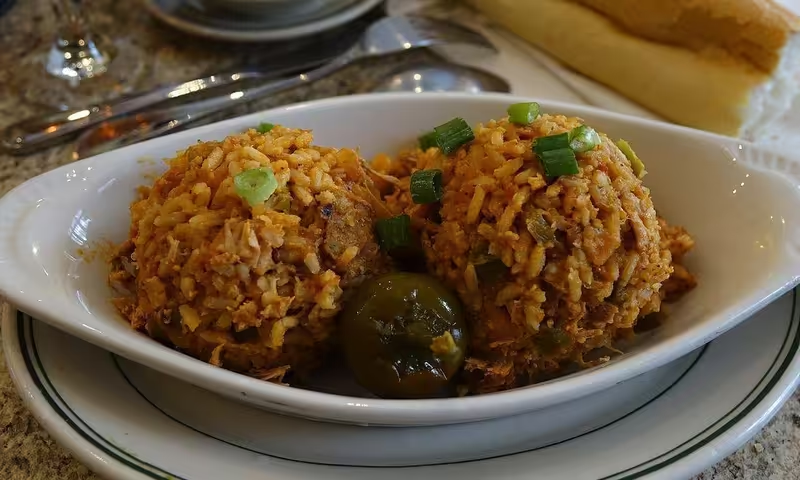
How to freeze jambalaya without spoiling it
Cool fast, pack flat, and freeze within a day of cooking. If the recipe has shrimp, consider freezing it without — sausage-and-chicken jambalaya thaws back far better than seafood versions.
Before it goes in
- Chill the pot quickly — rice dishes left to cool slowly are the classic food-safety mistake.
- Spread into shallow containers or flat bags to freeze fast and thaw fast.
- Pull the shrimp out before freezing if you can; add it fresh at reheating.
- Add a tablespoon of water or stock per portion to help the rice loosen later.
- Label with the date and the heat level.
Containers & wrapping
Flat freezer bags or shallow rigid containers. Rice dishes reheat more evenly in wide, shallow shapes than in deep tubs.
Freezer storage
2 months
Rice quality fades first — it dries and firms. Two months is the comfortable window; past that the dish is safe but the texture is tired.
Cold does not make jambalaya dangerous over time. Held at 0 °F / -18 °C it remains safe indefinitely, and the window above is an honest estimate of when texture starts to go.
How to bring jambalaya back
Fridge overnight, then reheat in a covered pan with a splash of stock, stirring once or twice. Reheat until steaming hot throughout — non-negotiable with cooked rice.
What happens if you refreeze jambalaya at home?
No — cooked rice dishes should not go back into the freezer after reheating, both for safety and because the rice has nothing left to give.
Texture & flavor changes
Rice grains firm up and can turn slightly chalky, then soften again with reheating; the dish reads a little drier overall. Sausage and chicken stay solid, celery and pepper soften, and shrimp turns firm and squeaky — the main casualty.
Best uses after thawing
Where thawed jambalaya shines:
- Work lunches
- Quick dinners
- Rice-stuffed peppers
- Cajun bowls
Which one are you freezing?
Chicken-and-sausage jambalaya freezes noticeably better than shrimp versions. If shrimp is essential, freeze the base without it and fold in freshly cooked shrimp at reheating.
Caveats worth knowing
- Rice safety is real: cool jambalaya within an hour or so of cooking and reheat until steaming — cooked rice is the leftover most often mishandled.
- Shrimp in the mix turns firm and rubbery after freezing; freeze a shrimp-free base if you can.
- Expect drier rice after thawing — the splash of stock at reheating is not optional.
Jambalaya: freezer questions answered
Can you freeze jambalaya?
Yes — safely, for two months of good quality. The seasonings and sausage hold up well; the rice goes slightly softer and drier, and shrimp versions suffer most. Pack flat, reheat with a splash of stock, and get it steaming hot throughout.
Can you freeze rice dishes like jambalaya safely?
Yes, with one rule taken seriously: cool the rice quickly — within an hour or so of cooking — and reheat until steaming hot all the way through. Cooked rice is the leftover most often mishandled, and the freezer is both a quality and a safety tool here.
Should you freeze jambalaya with shrimp in it?
You can, but the shrimp turns firm and slightly rubbery after freezing. If you plan ahead, freeze the base without the seafood and fold in freshly cooked shrimp when reheating — sausage and chicken versions freeze well as-is.
Related foods