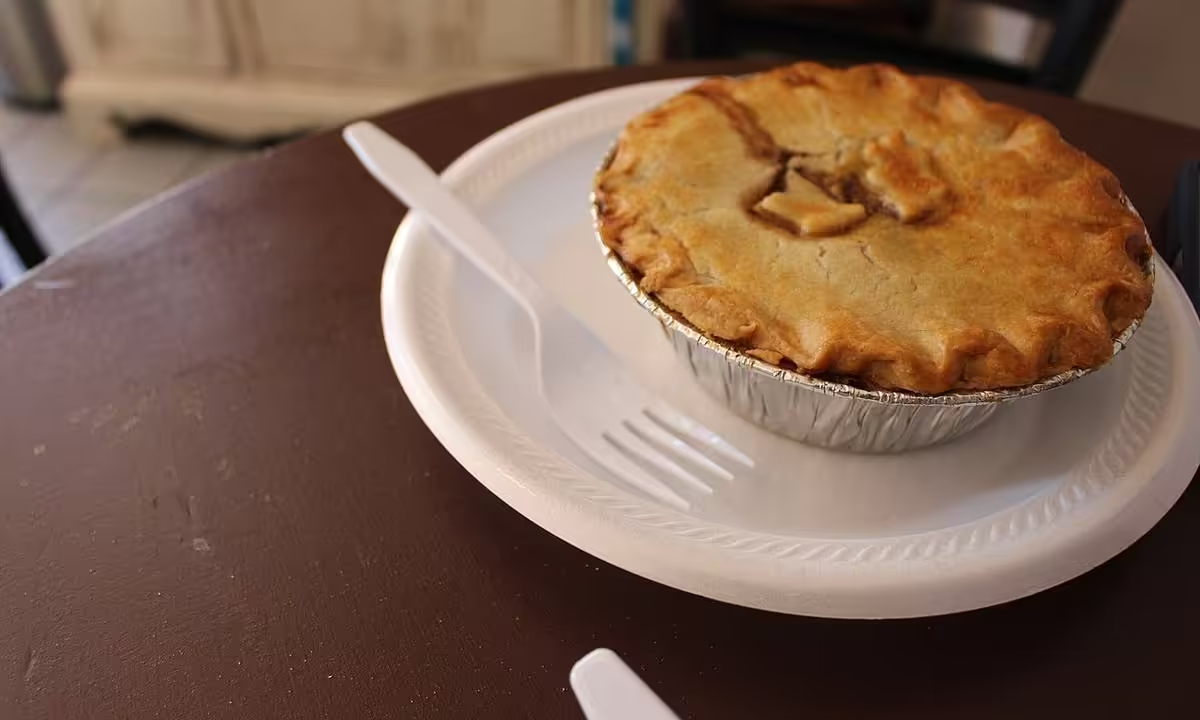
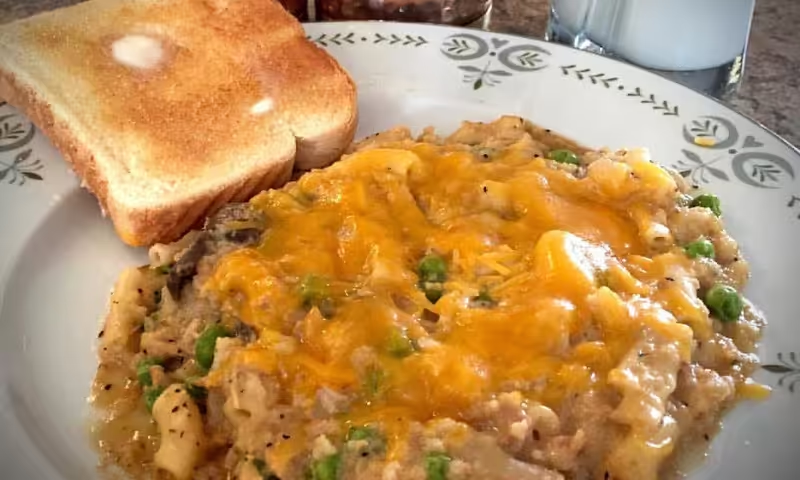
Can You Freeze Casseroles?
The casserole is the freezer's native format: starch, sauce, and protein in one pan, designed to be made ahead. Cream-of-something bindings, cheese layers, and rice or pasta bases all insulate the ingredients — which is why church-cookbook casseroles and freezer-meal culture grew up together.
Also called: hotdish · freezer casseroles · make-ahead casseroles
Yes — most casseroles freeze well assembled and unbaked; the sauce-and-starch structure buffers the freeze better than any other format.
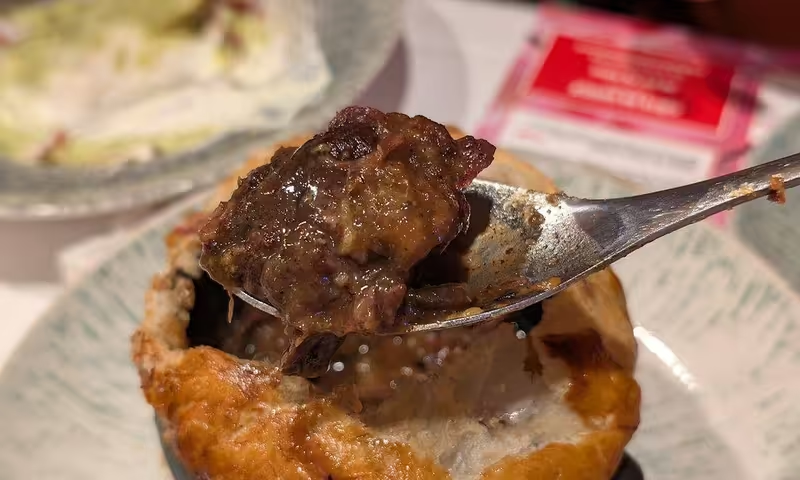
The best way to freeze casseroles
Assemble unbaked in a foil or glass pan, chill first, then wrap in plastic and foil and freeze. Most bake straight from frozen with extra time — the casserole structure survives raw-assembled better than cooked-then-frozen.
Before it goes in
- Slightly undercook any rice or pasta going in; they finish in the oven and stay firm.
- Assemble in a freezer-safe pan and chill it first so wrapping is easy.
- Double-wrap: plastic against the food, foil sealed over everything.
- Write the bake instructions on the foil — future you will not remember.
- Freeze unbaked; portion only already-baked leftovers for single servings.
Containers & wrapping
Disposable foil pans for gifting and deep-freeze, glass for freezer-to-oven bakes that thaw first, rigid containers for portioned leftovers.
Freezer storage
2–3 months
Cream-based sauces loosen a little over time; very long storage dulls the topping more than the filling.
Two temperatures, two meanings, on casseroles: 0 °F / -18 °C keeps it safe indefinitely, while the 2–3 months window is where it still tastes like itself. Date the package and the two stay separate.
Thawing casseroles: what to do
Bake most casseroles straight from frozen at 350–375 °F with foil on, adding 45–60 minutes over the recipe time; uncover at the end to brown. Thawed overnight in the fridge, bake on the normal schedule.
Can casseroles be frozen twice in a row in practice?
No once baked or reheated. An unbaked, still-cold pan that thawed in the refrigerator should be cooked promptly, not refrozen.
Texture & flavor changes
Sauces can loosen slightly and layers settle, so expect a marginally softer bake. Crunchy elements — fried onions, crumb toppings — soften in the cold; add them fresh in the last stretch of baking instead.
Best uses after thawing
Where thawed casseroles shines:
- Freezer-meal prep
- New-neighbor gifts
- Potluck backup
- Weeknight dinners
Which version are you freezing?
Assemble-then-freeze wins for texture and convenience — dinner goes from freezer to oven with no thaw. Already-baked casseroles freeze fine too; expect softer layers and a paler top.
Caveats worth knowing
- Skip freezing casseroles loaded with raw potato — it turns gray and grainy; parboil first or swap in hash browns.
- Sour cream and mayonnaise-based casseroles can look slightly broken after thawing but set again in the oven.
- A frozen pan into a preheated glass dish is a crack risk — let glass heat up with the oven, or thaw first.
The casseroles freezer FAQ
Can you freeze casseroles before baking?
Yes — assemble unbaked, chill first, then double-wrap in plastic and foil. Most bake straight from frozen at 350–375 °F with foil on, adding 45 to 60 minutes over the recipe time. Undercook any rice or pasta slightly going in so it finishes in the oven.
How long can a casserole stay in the freezer?
Two to three months for best quality. The sauce-and-starch structure protects the filling well, but toppings soften and cream sauces loosen slightly over time. It stays safe indefinitely while frozen solid; the calendar is about texture.
Can you freeze casseroles with sour cream or mayonnaise in them?
Yes — they can look slightly broken or loose after thawing, but the oven sets them again as the bake finishes. Stir the sauce component well before assembling, and expect the texture to read a little softer than a fresh-made pan.
Related foods