Can You Freeze Prosciutto?
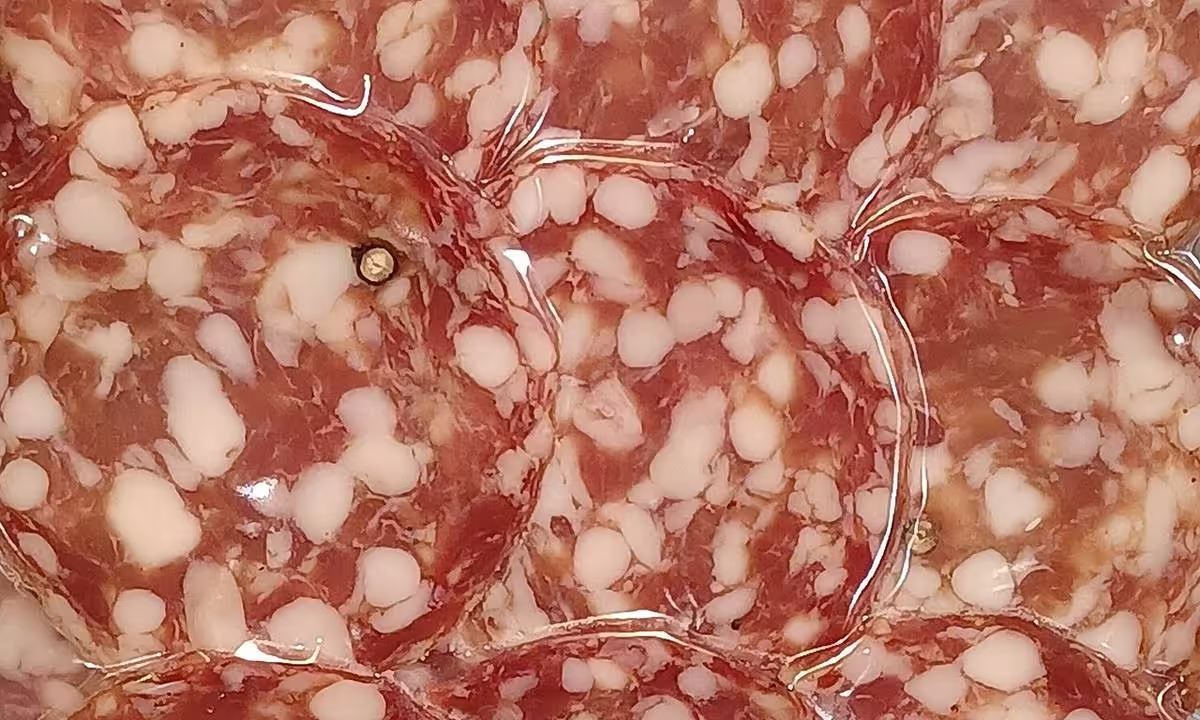
Prosciutto can be frozen and will be perfectly safe — but should is a different question. Paper-thin cured slices fuse together, weep brine on thawing, and lose the melt-in-the-mouth quality that justifies the price. The honest advice is to buy what you need and skip the freezer.
Also called: prosciutto di parma · parma ham · sliced prosciutto
Yes, technically — prosciutto freezes safely, but slices stick and weep; it is best bought fresh in small amounts.

How to freeze prosciutto at its best
If you must: layer slices between parchment or wax paper, slip the stack into an airtight container, and freeze flat. Thaw in the refrigerator and plan cooked uses, not a charcuterie board.
Before it goes in
- Separate the slices with parchment or wax paper — this is the step that matters.
- Slide the stacked slices into an airtight freezer bag or container.
- Freeze flat so the stack does not crack.
- Plan cooked uses; thawed slices will not read as deli-fresh.
Containers & wrapping
Parchment-separated slices in a rigid, airtight container protect the stack better than a bag does. Vacuum-sealed whole, uncut chunks are the only version that returns with any dignity.
Freezer storage
1–2 months
Frozen prosciutto stays safe while solidly frozen and holds acceptable quality for 1–2 months. But the product is already cured and keeps for weeks in the refrigerator — the freezer buys little time and costs texture.
Treat the storage window on prosciutto as a quality clock. Frozen solid at 0 °F / -18 °C it does not become unsafe with time; the window tells you when the eating starts to slip.
The thaw that suits prosciutto
Refrigerator-thaw overnight, still separated by paper. Pat the slices dry before using; they will have released brine. Serve them warmed or cooked rather than as-is.
How do you refreeze prosciutto safely?
No. Salted, thin-sliced meat weeps worse each cycle, and the texture goes from silky to papery. Portion once or not at all.
Texture & flavor changes
The salt draws moisture out through freezing and thawing, so slices turn damp, slightly leathery, and cling to each other. Cooked into pasta, wrapped around roasted figs, or crisped like bacon, the flaw hides; laid straight on a plate, it does not.
Best uses after thawing
Where thawed prosciutto shines:
- Crisped prosciutto
- Pasta dishes
- Wrapped around roasted vegetables
- Pizza topping
- Braising aromatic
Which version is going in the freezer?
A vacuum-sealed whole piece from the deli counter freezes far better than thin slices — slice it after thawing. Pre-sliced packs are the weakest candidates of all.
Caveats worth knowing
- Do not freeze prosciutto destined for a charcuterie board — the silk texture is the whole point, and freezing ends it.
- Slices stick to each other without parchment; tearing them apart on thaw wastes half the pack.
Prosciutto freezing: questions
Can you freeze prosciutto?
You can, safely — but quality suffers. Paper-thin cured slices stick together and weep brine as they thaw, losing their silky texture. If freezing is unavoidable, layer the slices with parchment in an airtight container and use them within a month or two, in cooked dishes rather than served straight.
How long does prosciutto last in the fridge compared to the freezer?
Refrigerated, unopened prosciutto keeps for weeks, and an opened pack about a week if well wrapped. Frozen, it stays safe for months but turns leathery and saltier-tasting within 1–2 months. That math is why buying smaller amounts fresh usually wins.
How do you use frozen prosciutto?
Peel the slices apart while they are cold and lay them straight into the pan or over a pizza — they thaw in seconds in contact with heat.
Related foods