Can You Freeze Polenta?
Polenta sets solid either way — in the fridge or the freezer — so freezing changes less about it than you would expect. The spoonable creaminess is the casualty, but a set block cuts into fries and rounds that crisp beautifully. Plan for the slices.
Also called: cooked polenta · cornmeal mush · leftover polenta
Yes — and treat the setting as a feature: polenta freezes into a sliceable block made for fries, rounds, and frying.
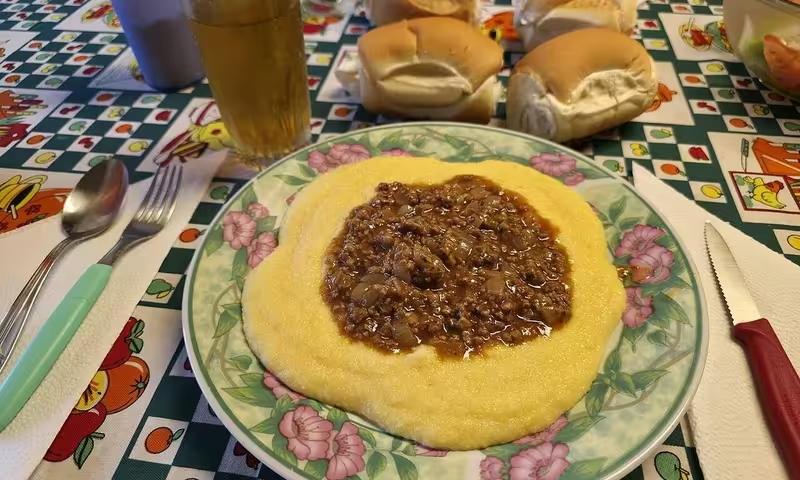
How to prepare and freeze polenta
Pour soft polenta into a loaf pan or shallow dish lined with parchment, freeze until firm, then cut into fries, rounds, or squares and bag them. Cook the pieces straight from frozen.
Before it goes in
- Pour the cooked polenta into a parchment-lined loaf pan or shallow container while hot.
- Freeze until completely firm — several hours — so the block cuts cleanly.
- Turn out and slice into fries, rounds, or squares of your preferred size.
- Bag the pieces in a single layer or with parchment between them; label the date.
Containers & wrapping
A loaf pan or rigid container lined with parchment for the setting stage, then freezer bags for the cut pieces. Parchment is what makes clean removal possible.
Freezer storage
2–3 months
Cut pieces hold their shape well; cheese or butter added before freezing can turn slightly grainy over time.
Freezer burn, drying and dulled flavor are quality problems with polenta, not safety ones — anything solidly frozen at 0 °F / -18 °C is still fine to eat, just further from fresh.
The thaw that suits polenta
None needed for pieces — pan-fry, bake at 425 °F, or grill straight from frozen until golden and hot. To re-soften, crumble the block into simmering stock and whisk.
How do you refreeze polenta safely at home?
No. Once cut and cooked, the pieces dry out on a second freeze; bag them in meal-sized counts.
Texture & flavor changes
The set block is slightly grainier than chilled polenta, but cooked crisp it is hard to fault. Re-softened polenta needs whisking and fat to approximate creaminess — it never fully returns to the spoonable original.
Best uses after thawing
Where thawed polenta shines:
- Polenta fries
- Grilled or baked rounds
- Base for braises and ragù
- Salad croutons
- Re-softened soft polenta
Caveats worth knowing
- Creamy, spoonable polenta is not the freezer's product — plan the slice-and-crisp route from the start.
- Add cheese after reheating where possible; frozen-then-baked cheese can go grainy and separate.
- Cut the block fully frozen; half-frozen polenta tears and leaves ragged edges.
Freezing polenta: questions and answers
Can you freeze leftover polenta?
Yes, and slicing is the plan. It sets firm in the freezer just as it does in the fridge, so pour it into a loaf pan, freeze, cut into fries or rounds, and crisp them from frozen in a hot pan or oven.
How do you revive frozen soft polenta?
Crumble the frozen or thawed block into simmering stock or milk and whisk steadily until smooth — a knob of butter helps. It will not return to factory-fresh creaminess, but it comes close enough for dinner under a ragù.
How long can you freeze polenta?
Two to three months for best quality, safe while solidly frozen. Plain polenta holds its texture better than cheese-enriched versions, which can turn grainy as the months pass. Cut pieces reheat best straight from frozen.
The details that decide it
Why polenta survives the freezer better than most cooked grains
Polenta is cornmeal cooked until its starch opens and thickens, and that fully opened structure is what makes it sturdier in the freezer than rice or pasta. Those grains keep absorbing water and softening, but polenta has already reached its thickest state and setting firm is somewhere it goes on its own. The freezer mainly gets it there faster, which is why a block of polenta is a better freezer citizen than a bowl of porridge.
- Its starch is fully opened, so there is little left to soften.
- Setting firm is a normal end state, not freezer damage.
- Plan for slices, rounds or fries rather than a soft spoonful.
Instant polenta vs stone-ground in the freezer
The grind matters here as much as it does with grits. Coarse stone-ground cornmeal sets into a firm, slightly textured block that crisps well when it is cut and fried. Instant or quick polenta is finer and already partly cooked, so it sets softer and fries up flatter. If freezing is the plan, the coarser grind gives you the better piece of food at the other end of it.
- Stone-ground sets firmer and crisps better.
- Instant polenta sets softer and fries flat.
- Buy coarse if you are cooking to freeze.
Polenta sets into a block that shrinks away from the container
Cooked polenta is a cooked grain, so it follows the usual rule: cool it quickly, refrigerate it, and get it frozen within three to four days. In practice polenta makes the decision for you, because it turns into a block in the refrigerator within a few hours and can be cut and frozen straight from there. There is nothing to be gained by leaving it sitting longer.
- Spread polenta flat to set, then freeze inside four days.
- It sets in the refrigerator within hours and can be cut then.
- Leaving it longer gains nothing and dries the edges.
Related foods