Can You Freeze Oatmeal?
Overnight the freezer quietly does what overnight oats cannot: it holds a week of hot breakfasts at once. Frozen oatmeal sets into a firm brick in the refrigerator, and that is fine — a splash of milk and two minutes of heat bring the bowl back.
Also called: cooked oatmeal · porridge · frozen oatmeal · steel cut oats
Yes — oatmeal freezes into single-serve breakfast bricks; it thickens and gels but loosens right back with milk or water.
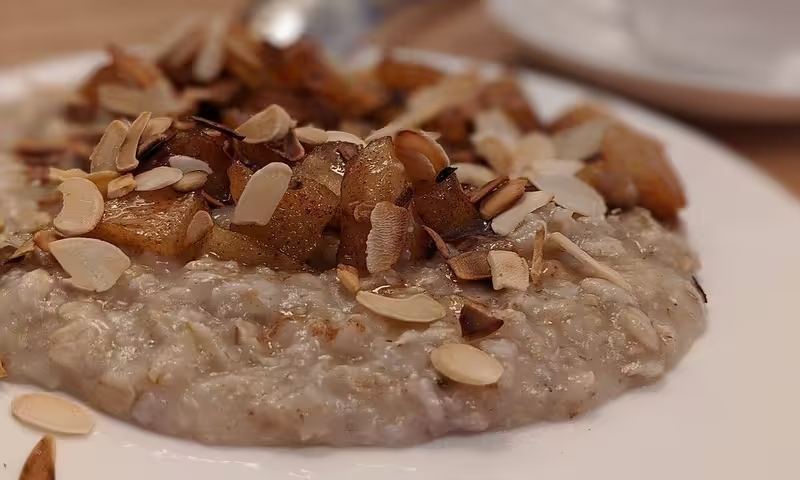
How to freeze oatmeal properly
Portion slightly loose-cooked oatmeal into muffin tins or single-serve containers, freeze, and bag the pucks. Reheat with a generous splash of milk or water, stirring halfway.
Before it goes in
- Cook the oatmeal slightly looser than you like — it thickens as it freezes and again on reheat.
- Spoon into muffin tins or half-cup containers while still warm.
- Freeze until solid, then pop the pucks into a labeled freezer bag.
- Keep toppings out of the freeze; nuts, fruit, and brown sugar belong on the thawed bowl.
Containers & wrapping
Muffin tins for pucks, microwave-safe single-serve containers, or freezer jars with headroom. Portion size is everything — breakfast pucks thaw straight into bowls.
Freezer storage
2–3 months
Steel-cut holds its texture longest; rolled oats soften more with time. Either is best with toppings added fresh.
The freezer stops the safety clock for oatmeal and only slows the quality one. At a steady 0 °F / -18 °C it stays safe while frozen, so the number on the label is about taste.
The safest way to thaw oatmeal
Microwave a puck with two tablespoons of milk or water for a minute, stir, then heat in short bursts until steaming. Overnight fridge thawing works too — stir and warm.
Can you thaw and refreeze oatmeal?
No. The starch has already set once; a second freeze makes gummy patches no amount of milk can fix.
Texture & flavor changes
Cold oatmeal gels into a sliceable block — that is starch retrograding, not spoilage. Warmed with liquid it turns creamy again, marginally denser than fresh; steel-cut comes closest to original.
Best uses after thawing
Where thawed oatmeal shines:
- Weekday breakfasts
- Baby-food portions
- Smoothie thickener
- Baked oatmeal base
- Muffin batter stir-in
Which version is going in the freezer?
Steel-cut oats freeze and reheat with noticeably better texture — their chew survives. Rolled oats turn softer and more uniform, which suits babies and smoothie-thickeners fine.
Plain wins. Sweetened oatmeal locks in one flavor and one sweetness level; plain pucks become porridge, smoothie base, or baking stir-ins depending on the morning.
Caveats worth knowing
- Freeze it plain — fruit stirred in beforehand weeps and turns the puck watery; add toppings after reheating.
- Leave headroom in jars and containers; oatmeal expands slightly and gels tight to the lid.
- Sweeten at reheating; maple and brown sugar taste brighter poured over a warm bowl than frozen inside it.
Questions people ask about oatmeal
Can you freeze oatmeal for meal prep?
Yes — the muffin-tin method is the standard move. Freeze half-cup pucks, bag them, and reheat one or two with a splash of milk for a two-minute breakfast. Cook the oats slightly loose so they have room to thicken back.
How long can you freeze oatmeal?
Two to three months for best texture. It stays safe while solidly frozen, but the starch keeps firming and drying over time, making the reheated bowl need more liquid the longer it waits.
Why did my frozen oatmeal turn gummy?
Starch gels as it freezes and reheating concentrates it further if you skip the liquid. Always add milk or water before the microwave and stir halfway; gummy oatmeal is almost always dry oatmeal in disguise.
The details that decide it
Can you freeze overnight oats?
Overnight oats are already a cold, soaked preparation, and they freeze surprisingly well. The soak has done most of the work, so the freezer only firms them up, and a portion thawed overnight in the refrigerator comes back soft and spoonable rather than rubbery. If you like them loose, stir in a spoonful of milk after thawing, because the oats will have drunk up more liquid than they started with.
- Soaked oats freeze fine — they firm up rather than spoil.
- Thaw overnight in the refrigerator, then stir in a little milk.
- Freeze the portion in the jar you will eat from.
Oatmeal is the one breakfast that goes wrong on the counter, not in the refrigerator
Cooked porridge is a wet starch and goes over fastest of the grains, so do not leave a saucepan standing on the stove. Spoon it into single-serving tubs while it is still warm enough to flow, then get them cold and into the freezer inside three to four days. Portioning warm also spares you reheating and re-cooling one big batch.
- Porridge is a wet starch and goes over fastest.
- Spoon it into single-serving tubs while warm.
- Do not leave the saucepan standing on the stove.
Baked oatmeal freezes better than a pot of porridge
If you want oatmeal that comes back closest to how it went in, bake it. Baked oatmeal sets into a sliceable, almost cakelike tray that freezes and reheats cleanly, and it avoids the dense, pasty quality a reheated pot of porridge can take on. Cut it into squares, freeze them flat on a tray, then bag them, and warm a square in the microwave or a low oven. The companion rule is what to leave out. Anything holding water goes on after reheating: fruit weeps as it freezes and leaves a watery ring in the puck, yoghurt splits, nuts soften and syrup sinks and pools. Freeze the oats plain and finish the bowl afterwards, because toppings land better on a hot bowl than they do inside a frozen one.
- Baked oatmeal sets firm and reheats without going pasty.
- Cut it into squares and freeze them flat.
- Cut into squares and freeze flat; fruit, yoghurt and nuts go on after.
Related foods