Can You Freeze Grits?
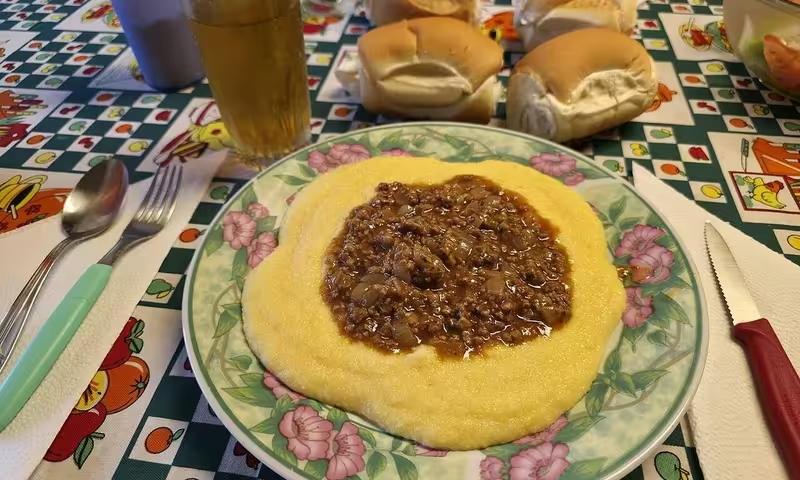
Grits freeze like polenta's southern cousin, with the same trade: the spoonable creaminess stiffens into a sliceable solid. Whisk them back gently with milk for the bowl experience, or accept the set, slice it, and fry the squares until they crackle.
Also called: cooked grits · cheese grits · leftover grits
Yes — grits freeze but set firm and lose creaminess; reheat low with milk, or embrace the set and fry them.
How to freeze grits properly
Freeze in single portions or a loaf-shaped block; reheat on low with milk or water whisked in, or slice the block and pan-fry until the edges brown.
Before it goes in
- Cool the grits slightly, then spoon into portion containers or a parchment-lined loaf pan.
- Freeze until firm; the block should pop out whole for clean slicing.
- Cut the loaf into squares or rounds and bag them flat.
- Label plainly — frozen grits and polenta are indistinguishable until reheated.
Containers & wrapping
Rigid containers for portions, a parchment-lined loaf pan for the slicing route. A tight lid matters; grits dry at the surface and dry grits fry unevenly.
Freezer storage
1–2 months
Stone-ground grits hold up best; instant and quick grits turn gluey faster, so buy the coarse stuff if the freezer is the plan.
Freezer burn, drying and dulled flavor are quality problems with grits, not safety ones — anything solidly frozen at 0 °F / -18 °C is still fine to eat, just further from fresh.
How to thaw grits properly
Refrigerator-thaw overnight, then reheat on the lowest heat with milk or water, stirring often. Frozen portions go into a covered pan with a splash of liquid directly.
Can you freeze grits after it thaws?
No. They have set once; a second freeze pushes them from creamy-when-reheated to gluey-when-reheated.
Texture & flavor changes
The whisked-back bowl is a little denser than fresh grits, and cheese versions can turn slightly grainy. Fried grit cakes are the win — the set texture is an asset there, not a compromise.
Best uses after thawing
Where thawed grits shines:
- Fried grit cakes
- Shrimp and grits
- Cheese-grits casserole
- Breakfast bowls
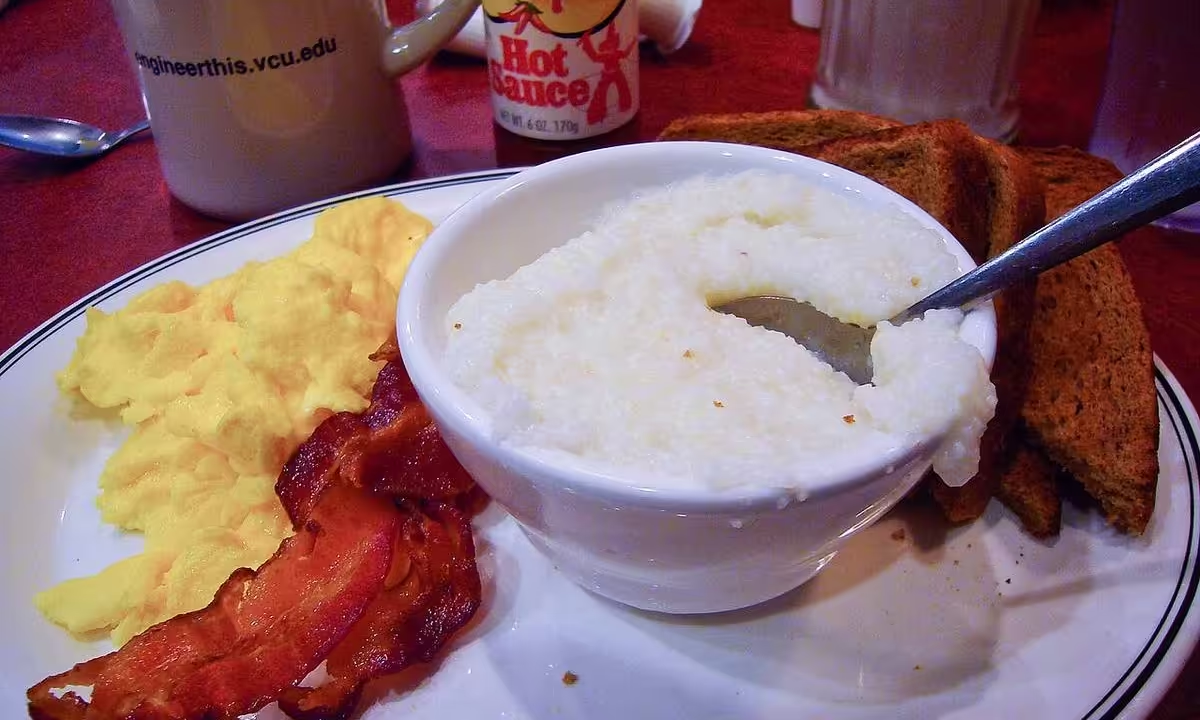
- Eggs and bacon side
Which version is going in the freezer?
Stone-ground and regular grits freeze acceptably; instant grits, already precooked, go gluey and stay gluey. If the freezer is the destination, the coarser the grind, the better the return.
Caveats worth knowing
- Instant grits turn gluey after freezing; stone-ground or regular grind reheat with dignity.
- Stir cheese and butter in at reheating when you can — they keep the texture smoother than a pre-cheesed freeze.
- Reheat low and patient; high heat makes the starch seize into lumps no whisking fixes.
Questions about frozen grits
Can you freeze cheese grits?
Yes, with a texture note — the cheese can turn a little grainy after freezing. Reheat slowly with extra milk and a fresh sprinkle of cheese on top; the casserole route, baked in the oven, hides the change best.
How do you reheat frozen grits?
Low heat, added liquid, and patience. Warm them in a pan with a splash of milk or water, stirring often until smooth and steaming. The microwave works at half power with a stir halfway through.
How long can you freeze grits?
One to two months for best texture. They stay safe while solidly frozen, but the corn starch firms up over time, so earlier reheats are creamier and fried cakes handle the longer stays.
The details that decide it
Grits and polenta are the same grain, cooked differently
Both are ground corn. The difference is the grind and the treatment rather than the plant: grits are coarser and usually made from dent corn, polenta is a finer and more uniform meal, and masa is treated with lime before it is dried. For the freezer the distinction is practical — grits set into a slightly looser block than polenta does, so they need a touch more care when they are sliced and fried, and a touch more liquid when they are whisked back. There is a practical version of the same point when grits are made to be put away rather than eaten now: cook them a shade looser and a shade longer than usual, because they tighten in the refrigerator and tighten again on the reheat, and a thoroughly cooked grit sets into a smoother block than a rushed one. Salt the pot rather than the thawed bowl, since seasoning added late tastes flat.
- Both are corn; the grind is what differs.
- Made to be put away they want cooking looser and longer, and salt in the pot.
- They reheat the same way, with the same liquid.
Shrimp and grits: freeze the parts, not the plate
Shrimp and grits is really two dishes sharing a plate, and they want opposite treatment. The grits freeze well with the usual caveat that they firm up and want milk on the reheat. The shrimp do not, because they toughen and turn rubbery on a second cook. Freeze the grits base on its own and cook the shrimp to order, which takes only a few minutes and gets you the dish you intended.
- Freeze the grits base; cook the shrimp fresh.
- Reheated shrimp turn rubbery and lose their sweetness.
- A few minutes on the day beats a whole frozen plate.
Grits stiffen as they cool, so they want the freezer sooner than most
Grits stiffen as they cool, so the earlier they meet the freezer the better. Spoon them into their freezing containers while still warm and spread shallow so they come down quickly. Setting firm in the refrigerator is normal for this food and not a sign of anything having gone wrong.
- Grits stiffen as they cool — container them warm.
- Spread them shallow to chill quickly.
- Setting firm in the fridge is normal, not spoilage.
Related foods