Can You Freeze Fried Rice?
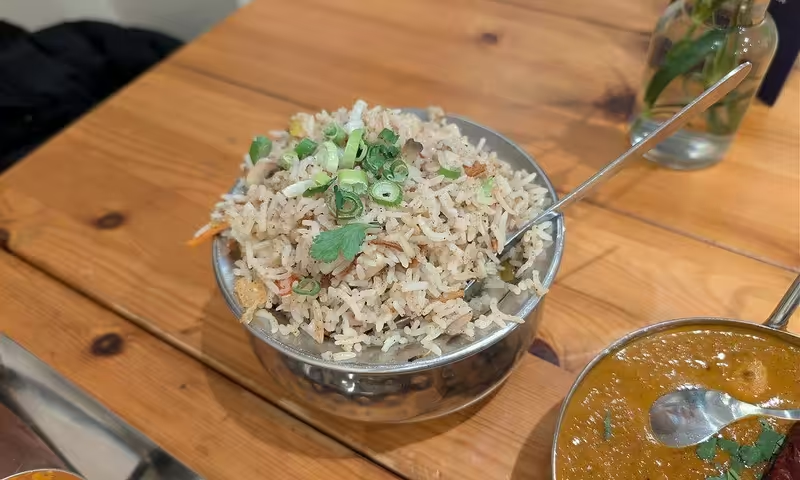
Fried rice was invented to rescue day-old rice, so the freezer is its natural habitat — it returns from frozen closer to itself than almost any leftover. The only rule it inherits is rice's own: cool within the hour, reheat until it steams.
Also called: leftover fried rice · takeout fried rice
Yes — fried rice is a leftover by birth and a freezer natural: cool fast, pack flat, reheat steaming.
The freezer routine for fried rice
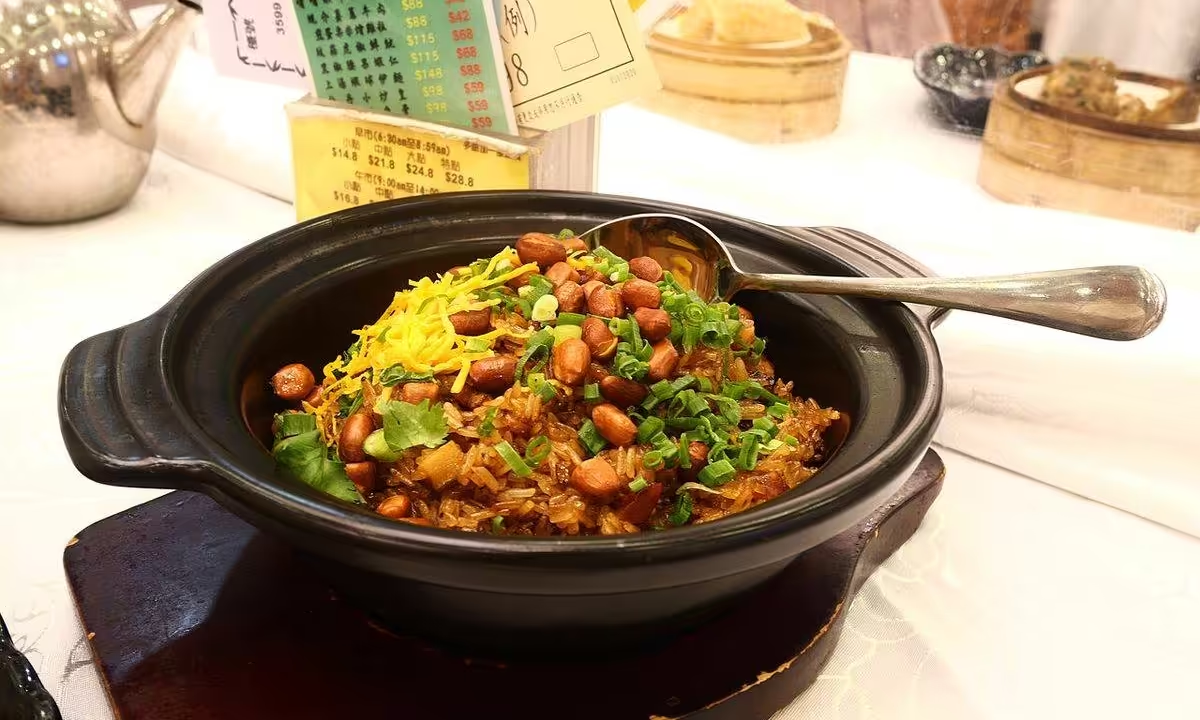
Cool the pan's contents quickly, pack single meals flat in freezer bags, and reheat straight from frozen in a covered skillet or the microwave until steaming hot throughout.
Before it goes in
- Spread the fried rice thin on a sheet pan right after cooking to cool it fast.
- Portion into single-meal freezer bags and press each one flat for fast, even thawing.
- Stack the flat bags like books — they thaw in ten minutes and reheat in five.
- Label with the date and ingredients; fried rice looks the same as every other rice once frozen.
Containers & wrapping
Flat freezer bags, stacked. Rigid containers suit desk-lunch portions; a hard shell protects the egg and meat bits from getting crushed at the bottom of the freezer.
Freezer storage
2–3 months
The rice rule governs everything: fast cooling before freezing, full steam on reheating. Beyond three months the vegetables turn soft and the wok char fades.
Two temperatures, two meanings, on fried rice: 0 °F / -18 °C keeps it safe indefinitely, while the 2–3 months window is where it still tastes like itself. Date the package and the two stay separate.
How fried rice should be thawed
None required. A covered skillet over medium with a splash of water revives it in minutes, or microwave covered until steaming, stirring halfway through.
Can you freeze fried rice after it thaws without risk?
No. Rice's cooling-and-reheating discipline should happen once; a second cycle both thins the safety margin and turns the vegetables to mush.
Texture & flavor changes
Rice grains stay pleasantly distinct — they were day-old anyway. Vegetables soften a little and any crunch factor fades; scallions and bean sprouts are best added fresh at the reheat.
Best uses after thawing
Where thawed fried rice shines:
- Desk lunches
- Weeknight dinners
- Late-night meals
- Lunchboxes
- Emergency dinners
Caveats worth knowing
- The rice safety clock applies to the whole dish — cool within an hour and never reheat more than once.
- Fresh crunch does not freeze: scatter raw scallions, cucumber, or herbs on after reheating instead.
- Takeout fried rice can be frozen the same way, but get it into the freezer the same night it arrived.
Questions about frozen fried rice
Can you freeze leftover fried rice?
Yes — it is one of the best freezable leftovers there is. Cool it quickly after dinner, pack flat, and reheat from frozen until steaming. The rice keeps its texture because it was already a day old when it hit the wok.
How long can you freeze fried rice?
Two to three months for best quality. It stays safe while solidly frozen provided it was cooled quickly and reheated hot, but vegetables soften and the flavors flatten as the months pass.
Can you freeze takeout fried rice?
Yes, the same rules apply: get it refrigerated or frozen within the hour of delivery, portion it flat, and reheat until steaming all the way through. Eat it within a couple of months for decent texture.
The details that decide it
Why fried rice freezes better than plain cooked rice
Fried rice starts its life a day old and slightly dry, which is exactly the state that survives a freezer. Freshly cooked rice holds a lot of surface moisture, and that moisture is what turns to ice and then to mush; rice that has already dried out in the refrigerator has far less to lose. The wok does the rest of the work before the freezer ever sees it, because the grains are already separate and coated and do not fuse into one solid block the way plain rice can. The one-hour rule applies here as well: cool it within an hour of cooking, then chill it or freeze it, because long time standing on the table is the mistake rather than the freezer. Once chilled it keeps three to four days before it needs freezing.
- Day-old rice is the reason the dish exists, and the reason it freezes well.
- Separate, coated grains freeze without fusing into a block.
- Cool within the hour, and it keeps three to four days chilled before freezing.
How to reheat frozen fried rice without drying it out
Take it straight from the freezer, because thawing first is what makes fried rice gluey. In a covered skillet over medium heat, break the block apart with a splash of water and let the steam do the work, then uncover for the last minute so the edges crisp again. In a microwave, cover it, add a tablespoon of water, and heat in short bursts, stirring between them. Either way it is ready when it is steaming throughout rather than merely warm at the edges. Portion it with that reheat in mind, because single flat portions come back in minutes where a deep block does not. Freeze it flat, label the date and the protein, and plan on two to three months before the vegetables turn soft.
- No thawing — frozen straight to the pan is both faster and better.
- Cover with a splash of water first, then uncover at the end for the crisp.
- Freeze single flat portions, and label the date and the protein.
What freezes well inside fried rice — and what to add back fresh
Almost everything cooked into fried rice survives the freezer: egg, chicken, pork, shrimp, peas, carrots, onion, and cooked mushrooms all come back fine. What does not survive is anything added for texture at the last minute, such as bean sprouts, raw scallions, or a squeeze of lime, and a raw-fish topping belongs on serving day rather than in the freezer batch. Freeze the cooked base, then finish the bowl with the fresh bits after reheating.
- Cooked egg, meat and vegetables freeze and reheat without trouble.
- Keep sprouts, raw scallions and raw-fish toppings off the freezer batch.
- Crispness comes back from what you add fresh, never from the freezer.
Related foods