Can You Freeze Crème Brûlée?
Crème brûlée is two desserts in one ramekin, and the freezer treats them very differently. The custard underneath barely minds the cold. The caramelized lid — a marvel of dry, brittle sugar — turns tacky and damp, which is why the honest answer always includes a torch.
Also called: creme brulee · burnt cream · trinity cream
Yes, with changes — the custard base freezes well for a month, but the caramelized sugar top never survives; re-torch fresh.
How to prepare and freeze crème brûlée
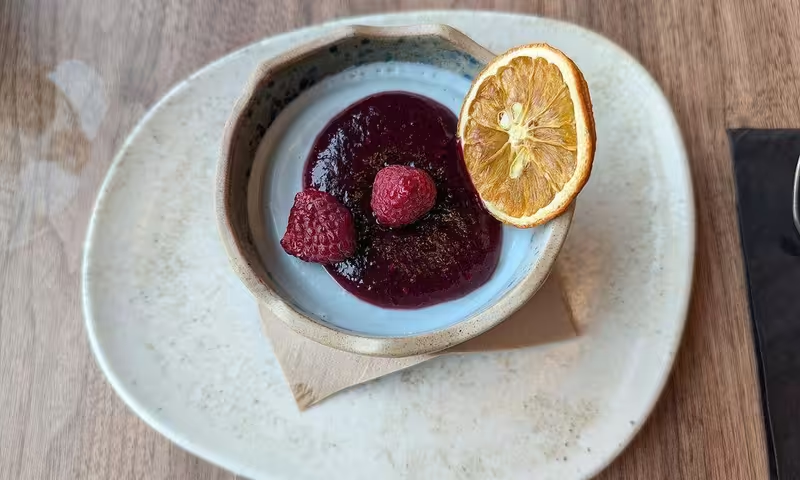
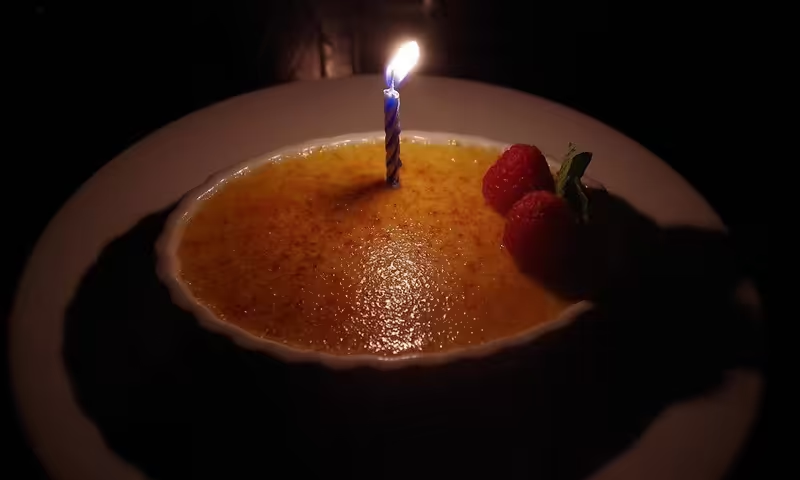
Freeze the custard in its ramekins without any sugar on top. After thawing in the refrigerator, blot the surface dry, sprinkle an even layer of fresh sugar, and torch it to a glass-crisp shell. Done this way, the dessert reads nearly as intended.
Before it goes in
- Cook and chill the crème brûlée custards fully, with no sugar crust added.
- Cover each ramekin with a lid or plastic pressed to the rim.
- Freeze them level so the surface stays flat and smooth.
- Keep a blowtorch or a very hot broiler in the plan for serving day.
Containers & wrapping
Freezer-safe ceramic or glass ramekins with lids, or wrapped tightly in plastic. Skip thin glass dishes that might crack, and never freeze with the sugar already applied — it will fuse into a wet glaze.
Freezer storage
1 month
The custard is at its best within the first few weeks; the set grows firmer and slightly grainier beyond that. Plan the torching for the day of serving, always.
Read the window on crème brûlée as advice, not a warning. At 0 °F / -18 °C it is safe to eat at any age; 1 month is simply where the flavor and texture are worth the most.
The thaw that suits crème brûlée
Thaw overnight in the refrigerator. Blot any surface moisture with a paper towel, sprinkle a thin even layer of caster or raw sugar, and caramelize with a torch until deep amber. A broiler works at a distance, with watching.
Can you thaw and refreeze crème brûlée without risk?
No. The custard base loses its set on a second thaw and the surface will weep, so freeze only the ramekins you will torch and serve.
Texture & flavor changes
The baked custard comes back slightly firmer, sometimes a touch grainy at the edges, but the flavor is all there. The original caramelized top, however, is unsalvageable: it dissolves into the custard and any attempt to re-torch the old sugar gives a bitter, patchy crust.
Best uses after thawing
Where thawed crème brûlée shines:
- Re-torched in ramekins
- Semi-frozen custard scoops
- Layered in parfaits
- Folded into bread pudding
Which version do you have?
This is the whole question. Crustless ramekins freeze well and refresh with a two-minute torch. A brûléed top that goes into the freezer comes out wet, fused, and impossible to restore — always freeze before caramelizing.
Caveats worth knowing
- Never torch a wet or frosty surface — the sugar steams and scorches unevenly. Blot dry first, every time.
- Do not add the sugar crust before freezing; it melts into the custard and you lose the crack entirely.
- Freezer-safe ramekins only — thin glass or delicate ceramics can crack going from freezer to torch-warm kitchen.
Questions about crème brûlée in the freezer
Can you freeze crème brûlée with the sugar on top?
You can, but you should not. The brittle caramel absorbs moisture and turns sticky, then dissolves into the custard. Freeze the plain custard instead and torch a fresh sugar layer after thawing — that is how restaurants and home cooks get the crack back.
How long can you freeze crème brûlée?
About one month for the best custard texture. It remains safe while frozen solid, but the set grows firmer and grainier with time, and the surface needs blotting and re-torching whenever you serve it.
How do you re-caramelize crème brûlée after freezing?
Thaw the ramekins in the refrigerator overnight, blot the surface completely dry, sprinkle on a thin even layer of fresh sugar, and torch until deep amber. Let it sit a minute for the shell to harden before serving.
Related foods