Can You Freeze Parmesan?
Age is armor: a cheese that spent twelve months in a cellar does not flinch at a freezer. Wedges of parmesan thaw with their crystalline crunch and savory depth intact, and the rind — do not discard the rind — freezes like a gift to future stock.
Also called: parmigiano reggiano · parmesan wedge · grated parmesan · parmigiano
Yes — parmesan is the easiest cheese to freeze; a wrapped wedge holds flavor for months and grates straight from frozen.
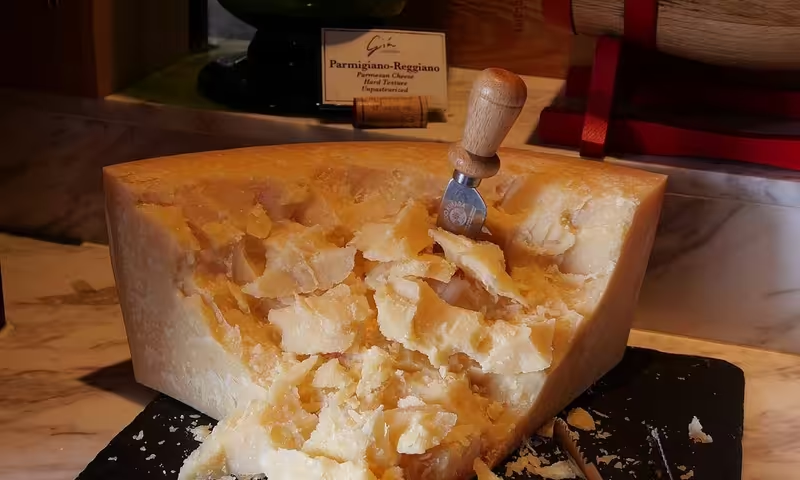
How to freeze parmesan
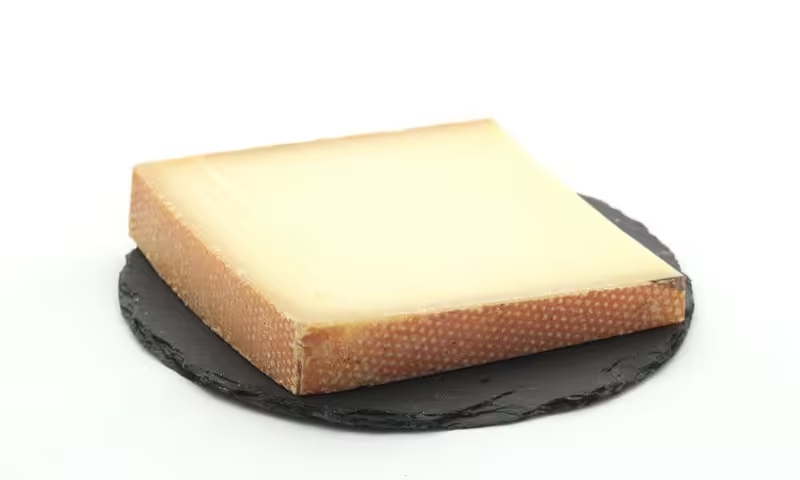
Wrap wedges in parchment, then foil or a freezer bag, and freeze in pieces you will actually use. Frozen parmesan grates beautifully straight from the freezer — no thawing required.
Before it goes in
- Cut a large wedge into 150–250 g pieces for practical portioning.
- Wrap each piece in parchment or waxed paper, snug against the cheese.
- Add a foil or freezer-bag layer, pressing out air, and label with the date.
- Grate or cube one portion now so weeknight pasta never waits on a thaw.
- Save the rinds in a separate bag — they are stock gold.
Containers & wrapping
Parchment plus foil, or vacuum-sealed bags for long storage. It is a low-moisture cheese, so the main enemy is odor absorption, not ice.
Freezer storage
6 months
Quality outlasts most expectations; the flavor barely moves in the first six months. Count from the freeze date, not from when you bought it.
A freezer at 0 °F / -18 °C is a safety off-switch for parmesan. It stays safe for as long as it is solid, so the 6 months window on this page is a quality promise rather than a deadline.
The right way to thaw parmesan
Thaw in the refrigerator overnight, or skip it — grate the wedge straight from frozen, which is easier than grating it soft. Cubed frozen parmesan blends smoothly into pesto.
Is refreezing parmesan allowed safely?
Yes, if it stayed cold and wrapped; hard cheeses tolerate it better than any other style. Expect slightly more crumbliness, nothing more.
Texture & flavor changes
Minimal. The wedge may develop a few more cracks and grate a touch drier, but the flavor holds its nutty, salty depth. Pre-grated portions can pick up freezer odors — wrap them tightly.
Best uses after thawing
Where thawed parmesan shines:
- Pasta and risotto
- Pesto
- Rind for stock
- Crisps
- Salad shavings
Which version are you working with?
Wedges are the freezer's favorite: minimal surface area, maximal protection, longest quality. Grated parmesan freezes fine in snug bags but loses fragrance faster — freeze small portions and use them within three months.
Caveats worth knowing
- Keep plastic wrap off the cheese itself for long storage; parchment first, plastic only as the outer layer.
- Pre-grated parmesan in shaker canisters is already dried out — freezing adds nothing. Freeze real wedges.
- If a wedge shows surface mold after a long freeze, trim an inch beyond it; the hard interior is usually fine.
Parmesan: questions about the freezer
Can you freeze parmesan rind?
Yes — the rind is the best part to freeze. Bag the rinds and drop one into simmering soups, beans, or stock to season the pot. After 30–45 minutes it has given everything up; fish it out and compost it.
How long can you freeze parmesan?
Six months at peak quality, and honestly it keeps longer with only minor dryness. It stays safe while frozen solid; this is the cheese least worried about in your freezer.
Can you grate frozen parmesan?
Yes, and it is the preferred method — the cold cheese grates into clean, fluffy threads instead of clumping. Grate only what you need and return the wedge to the freezer immediately.
Related foods