Can You Freeze Gruyère?
Alpine wheels are built for long lives, and gruyère treats a freezer month as a rounding error. Wrap the wedge well and it thaws with its toffee-nut depth intact — a shade more crumbly, and still the last word in French onion soup.
Also called: gruyere cheese · swiss gruyere · alpine cheese · gruyere wedge
Yes — gruyere freezes well in wrapped wedges; thawed it crumbles slightly more and still melts like fondue.
How to freeze gruyère at its best
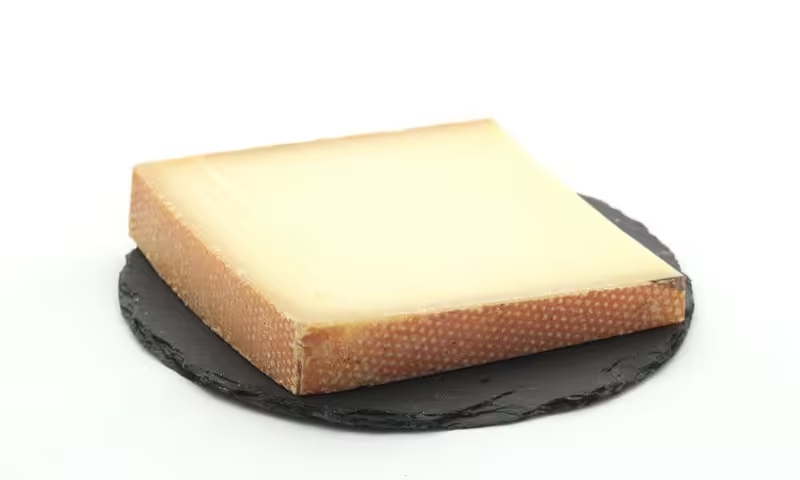
Cut into 150–250 g wedges, wrap in parchment, then foil or a freezer bag. Freeze a small portion grated for gratins — it scatters from frozen straight into the dish.
Before it goes in
- Cut large pieces into wedge portions you will use within a week of thawing.
- Wrap each wedge in parchment, snug against the surface.
- Add a foil or freezer-bag outer layer, pressing out air, and date it.
- Grate one portion now for gratins and croque monsieurs; freeze flat.
Containers & wrapping
Parchment plus foil, or vacuum bags. Gruyère's density protects it; odor absorption is the risk worth guarding against with a second layer.
Freezer storage
6 months
The nutty sweetness holds for months; beyond six, the texture grows drier and grates less cleanly. Rinds freeze too — save them for soup.
Freezer burn, drying and dulled flavor are quality problems with gruyère, not safety ones — anything solidly frozen at 0 °F / -18 °C is still fine to eat, just further from fresh.
Thawing gruyère: the method
Thaw in the refrigerator overnight and grate or slice immediately. Frozen and thawed gruyère grates more cleanly than it slices — let that decide the dish.
Can you refreeze gruyère once it has thawed safely?
Yes, if it stayed cold and wrapped; like parmesan, it tolerates a second freeze with only extra crumbliness. Portion sensibly and the question stays theoretical.
Texture & flavor changes
Thawed gruyère crumbles a little more readily and slices with ragged edges, but melted it is unchanged — the same glossy, stretchy, nut-sweet pour into fondue, gratins, and onion soup. Cold on a board, it reads slightly drier.
Best uses after thawing
Where thawed gruyère shines:
- French onion soup
- Fondue
- Gratins
- Croque monsieur
- Quiche
Which version do you have?
Wedges keep longest and stay versatile — gruyère's melt is its superpower, and blocks protect that. Grated portions are a convenience for gratins; use them within three months for the best flavor.
Caveats worth knowing
- Board service belongs to fresh gruyère; the thawed wedge slices raggedly and tastes a shade drier.
- Grate it while still half-frozen for the cleanest threads — fully thawed gruyère goes limp and clings to the grater.
- If the wedge sweated in its wrapper before freezing, dry it well first; trapped moisture invites surface mold.
Freezer FAQs for gruyère
Can you freeze gruyere cheese?
Yes — wrap wedges in parchment and foil, or vacuum-seal them, and freeze for up to six months. Thawed gruyère is slightly more crumbly cold and completely unchanged melted, which is how most of it is used anyway.
How long can you freeze gruyere?
Six months for best quality. It stays safe while frozen solid, and its low moisture means the flavor barely moves — the texture simply grows a little drier with time.
Can you freeze gruyere rind for soup?
Yes — the rind simmers into French onion soup and deepens the broth noticeably. Freeze rinds in a bag and drop one into each pot; fish it out before serving.
Related foods