Can You Freeze Fresh Mozzarella?
Fresh mozzarella is water, cream, and structure in a delicate truce, and freezing breaks it. The ball that thaws is firmer, rubbery, and weeping — a different cheese. Melted over a hot pizza, though, the difference mostly evaporates.
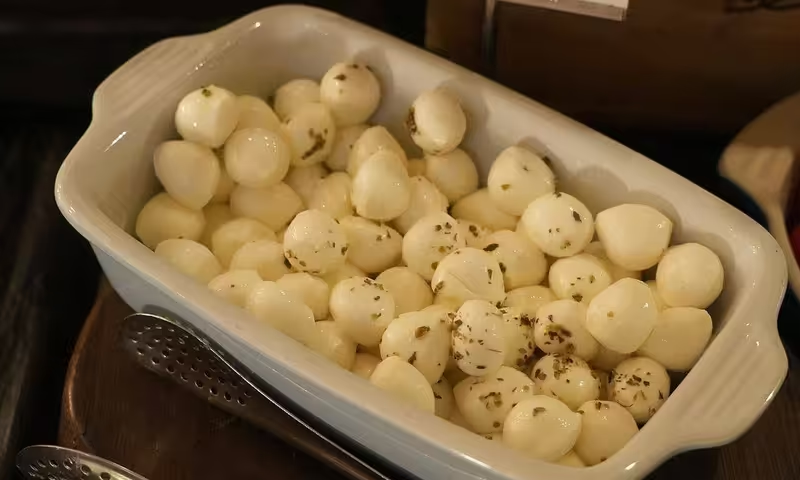
Also called: mozzarella balls · bocconcini · ciliegine · water packed mozzarella · mozzarella in brine
Yes — fresh mozzarella freezes, but the milky softness that makes it special does not survive; plan for melted uses.

Freezing fresh mozzarella: the practical method
Drain the balls, pat them dry, and freeze the small sizes — bocconcini, ciliegine — on a lined tray before bagging so they do not weld into one lump. Skip freezing large water-packed balls for any fresh use.
Before it goes in
- Drain the mozzarella and pat the balls dry with a clean towel.
- Choose small balls — bocconcini or ciliegine thaw more evenly than a large ball.
- Freeze them in a single layer on a parchment-lined tray until solid.
- Transfer to a freezer bag, press out air, and label with the date.
Containers & wrapping
A lined tray for the initial freeze, then a freezer bag or rigid container. Do not freeze them sitting in water or brine — the liquid expands and turns the surface mealy.
Freezer storage
2 months
The rubbery texture intensifies with time; use frozen fresh mozzarella within the first month if it will be seen, not just melted.
Cold does not make fresh mozzarella dangerous over time. Held at 0 °F / -18 °C it remains safe indefinitely, and the window above is an honest estimate of when texture starts to go.
Getting fresh mozzarella out of the freezer
Thaw in the refrigerator for several hours, then press gently between towels to lift out the water it releases. For pizza, thaw, pat dry, and slice — or grate the thawed ball.
Can fresh mozzarella be refrozen without risk?
No. A second freeze turns the surface chalky and the interior squeaky; this cheese tolerates one trip, at most.
Texture & flavor changes
Thawed fresh mozzarella is firmer and rubberier, releasing milky water as it sits. Sliced on a tomato salad it plainly reads as second-best; melted over pizza or baked pasta, it is close enough that most people never notice.
Best uses after thawing
Where thawed fresh mozzarella shines:
- Pizza
- Baked pasta
- Panini
- Calzones
- Melts
Which version do you have?
Drained and tray-frozen is the method; freezing the balls sitting in their liquid slows freezing unevenly and roughens the surface. Some cooks soak the thawed cheese in light brine to soften the rubberiness — worth trying if you are particular.
Caveats worth knowing
- Never serve thawed fresh mozzarella on caprese or antipasto plates — the rubbery bite and weeping cut face disappoint every time.
- Press out the released water thoroughly before baking, or puddles collect under the cheese.
- Balls in brine or water can be frozen, but drain them fully first; ice against the surface roughens the rind.
Common questions about frozen fresh mozzarella
Can you freeze fresh mozzarella?
Yes, with lowered expectations. Drain, dry, and tray-freeze the small balls, then bag them. Thawed, they are firmer and weep milky water — fine for melting on pizza and panini, wrong for salads and fresh plates.
How long can you freeze fresh mozzarella?
About two months for best quality, sooner if texture matters. It stays safe while frozen solid, but the rubbery bite deepens the longer it sits.
Can you freeze mozzarella balls in the liquid?
Drain them first. The packing liquid freezes unevenly, and ice against the cheese roughens its surface. A parchment-lined tray freeze, then a bag, keeps them separate and cleaner.
Related foods