Can You Freeze Couscous?
Couscous is tiny pasta wearing a grain's outfit, and it freezes like pasta: safely, but softer. Pearl couscous keeps a decent chew; the fine kind goes clumpy and damp. Check which box you own before you commit a batch to the freezer.
Also called: pearl couscous · israeli couscous · cooked couscous
Yes — with conditions: pearl couscous freezes respectably, while fine couscous turns clumpy and damp and is better made fresh.
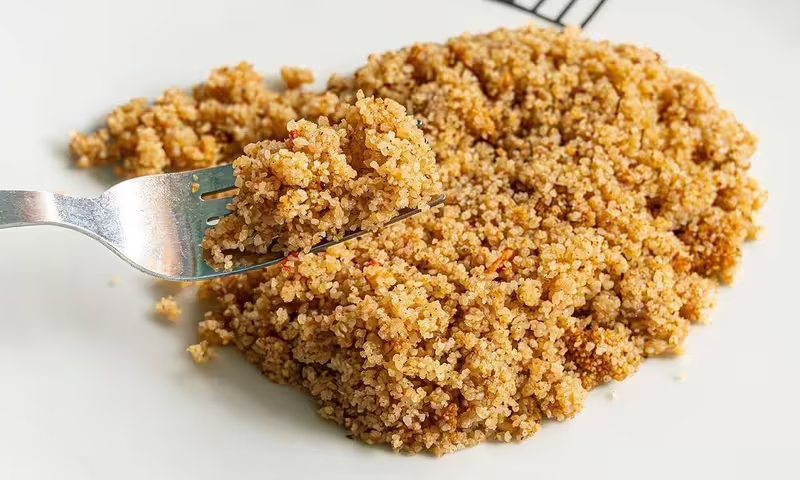
Freezing couscous step by step
Freeze pearl couscous tossed with a little olive oil in flat portions, and treat fine couscous as a make-it-fresh food — or steer it into soups, where softness has no jury.
Before it goes in
- Cook pearl couscous a minute firm — it softens further in the freezer.
- Drain well and toss with a teaspoon of olive oil to prevent clumping.
- Cool, then portion into flat bags or small containers.
- Label the bags clearly — pearl and fine couscous look nearly identical frozen.
Containers & wrapping
Flat freezer bags or small rigid containers. A light toss of oil does more for the texture than the container choice.
Freezer storage
1–2 months
Pearl couscous holds its shape for a couple of months; fine couscous is best within weeks, preferably already destined for soup.
Read the window on couscous as advice, not a warning. At 0 °F / -18 °C it is safe to eat at any age; 1–2 months is simply where the flavor and texture are worth the most.
The thawing rules for couscous
Refrigerator-thaw overnight and break up with a fork, or drop the frozen block briefly into boiling water — thirty seconds loosens pearl couscous perfectly.
Is refreezing couscous worth it safely?
No. Starch damage accumulates fast in something this small; single portions spare you the temptation.
Texture & flavor changes
Pearl couscous softens but keeps a workable bite. Fine couscous clumps into damp, gluey drifts — stir it into broth-based soups or stews, where it redeems itself completely.
Best uses after thawing
Where thawed couscous shines:
- Soup and stew stir-ins
- Grain bowls (pearl)
- Stuffed vegetables
- Warm sides with sauce
Caveats worth knowing
- Fine couscous suffers most — plan soups and stews for it, and keep tabbouleh a fresh-day dish.
- Frozen couscous drinks up sauces, so reheat with a splash of broth rather than serving it dry.
- It clumps as it freezes; break the block up with a fork while still half-frozen for the easiest results.
Common questions about frozen couscous
Can you freeze pearl couscous?
Yes — pearl and Israeli couscous are the freezer-friendly versions. Cook slightly firm, toss with oil, and freeze flat; reheated with a splash of broth they keep a respectable bite that fine couscous never manages.
How long can you freeze cooked couscous?
One to two months. It stays safe while solidly frozen, but the tiny granules soften and clump over time, so couscous is a use-it-sooner freezer resident rather than a long-stay one.
Why is my thawed couscous clumpy?
Small starch granules weld together as they freeze and thaw. Tossing with oil before freezing helps, and a quick fork-fluff or thirty seconds in boiling water separates them again — or lean into it and simmer the clumps straight into soup.
The details that decide it
Is couscous a pasta or a grain?
Couscous is pasta, not a grain. It is semolina and water rolled into small granules and dried, which is why it freezes like pasta and behaves nothing like rice. That single fact explains the rest of this page: the granules soften rather than dry out, they weld together as they freeze, and they come back better when they are coated in oil or sitting in sauce. Treat couscous as tiny pasta and the freezer starts to make sense.
- Couscous is rolled semolina pasta, not a wheat grain.
- That is why it softens and clumps rather than drying out.
- Everything else here follows from treating it like tiny pasta.
Moroccan, Israeli and Lebanese couscous — which size freezes best
Couscous comes in a range of sizes, and the freezer sorts them cleanly. The fine Moroccan granules used for a quick steamed side soften fastest and clump hardest. The pea-sized Israeli pearls keep a bite and reheat well. The larger Lebanese balls sit between the two and simply need longer to thaw right through. Cooking specifically to freeze, buy the biggest grain you are happy to eat.
- Fine Moroccan couscous softens and clumps the most.
- Israeli pearls keep their bite through a freeze.
- Bigger grains need a little longer to thaw right through.
Fine couscous gives you less warning than rice does
Cooked couscous is a cooked starch, so it follows the same cooling rule as any cooked grain. It gives you less warning than rice, though, because fine couscous starts to clump and dry within a day or two in the refrigerator, where a pot of rice is still unremarkable. The sooner it goes into the freezer, the closer it comes back to the way it went in.
- Fine grains clump and dry within a day or two, so act early.
- Fine couscous dries and clumps within a day or two.
- Freezing cannot rescue couscous that sat out too long.
Related foods