Can You Freeze Salsa?
Freezing stops the clock on a garden-surplus salsa, but it plays a trick: the tomatoes give up their water. The flavor survives beautifully — which is why thawed salsa belongs in a skillet as often as on a chip.
Also called: tomato salsa · pico de gallo · fresh salsa · salsa roja
Yes with changes — salsa freezes for 2 months but turns watery; drain or blend after thawing, best for cooking.
Best way to freeze salsa
Freeze cooked or blended salsa in small jars with headroom or flat bags. After thawing, drain the watery layer for dipping or blend it back in for cooking duty.
Before it goes in
- Freeze only cooked or blended salsas for dipping; fresh pico is better eaten within days.
- Portion into half-cup or cup containers, leaving half an inch of headroom.
- Press bags flat so the blocks thaw quickly under running water.
- Label with the heat level — frozen jalapeño and serrano salsas are indistinguishable.
Containers & wrapping
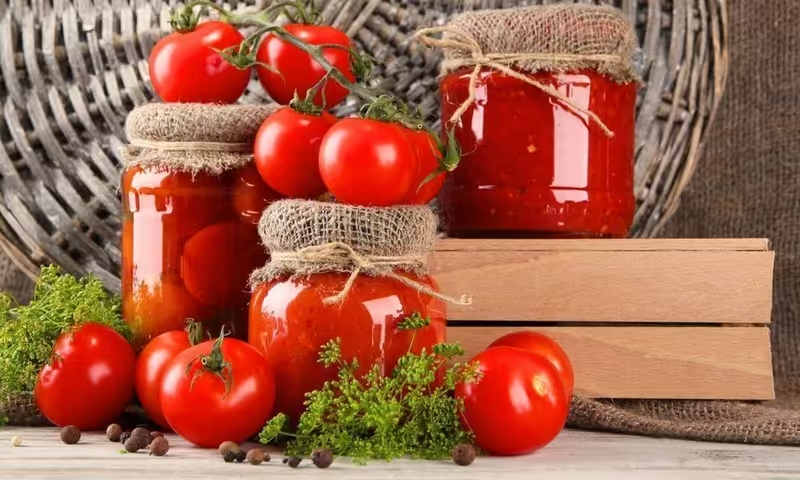
Small freezer jars or rigid containers with half an inch of headroom, or flat freezer bags. The acidity makes salsa friendly to both glass and plastic.
Freezer storage
2 months
The vinegar, lime, and tomato acidity keep flavor stable; what fades is the fresh-onion bite and the crisp pepper texture.
Treat the storage window on salsa as a quality clock. Frozen solid at 0 °F / -18 °C it does not become unsafe with time; the window tells you when the eating starts to slip.
Thawing salsa without spoiling it
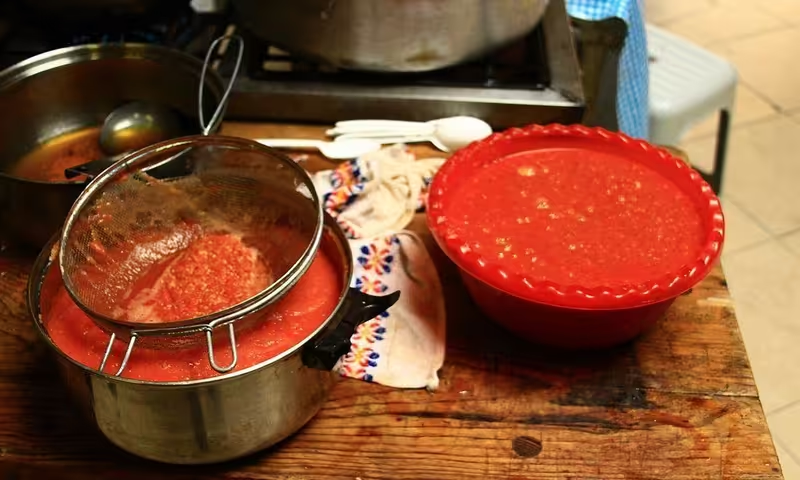
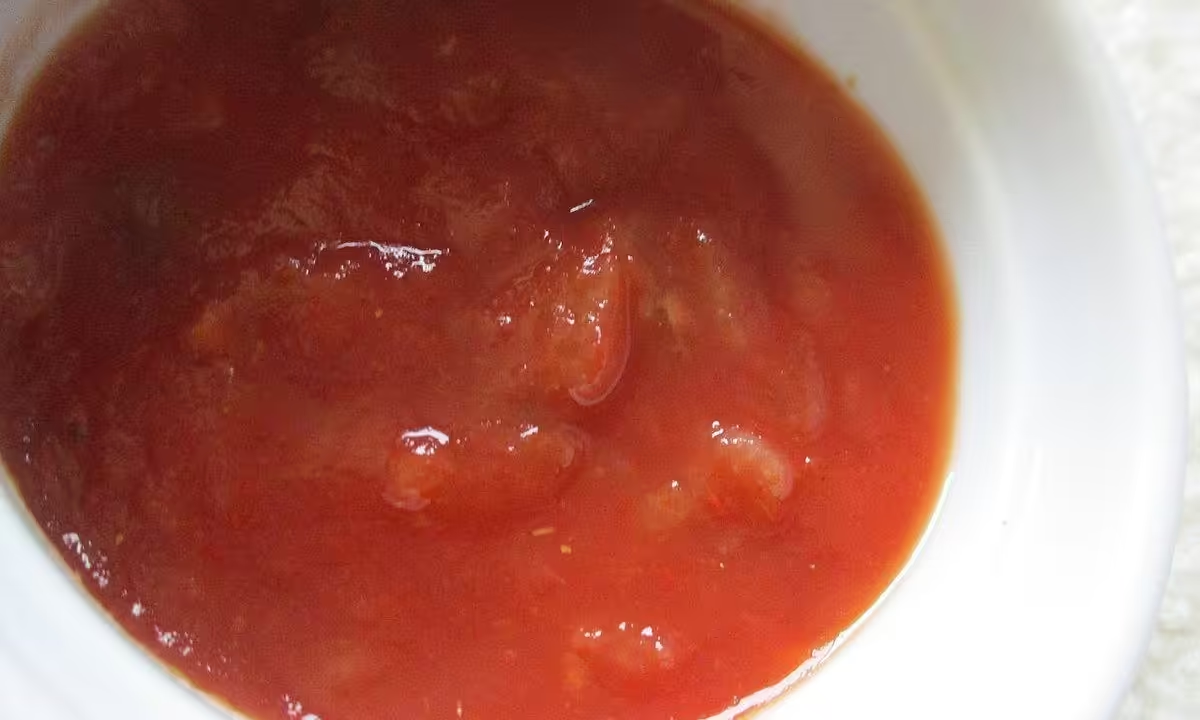
Refrigerator-thaw overnight, then stir. Expect a pool of tomato water on top — drain it off for a dip-like texture, or stir it back in for cooking.
Should you refreeze salsa safely?
Not recommended — already loosened by the first thaw, salsa turns mushy and flat on a second freeze.
Texture & flavor changes
Tomatoes break down and weep water, onions soften, and the once-chunky texture turns loose. The tangy-heat profile stays intact, and simmering the salsa for five minutes restores a convincing body.
Best uses after thawing
Where thawed salsa shines:
- Simmered enchilada sauce
- Chili base
- Slow-cooker chicken
- Shakshuka
- Post-thaw blended dip
Which version are you working with?
Cooked and restaurant-style blended salsas freeze far better than fresh chopped pico. If the garden gave you more tomatoes than you can eat, roast and blend before freezing — see the tomatoes card for the raw fruit itself.
Caveats worth knowing
- Fresh pico de gallo never regains its crunch — serve it fresh and freeze cooked or blended salsas.
- Thawed salsa reads unevenly hot until stirred; mix thoroughly before judging the heat.
- Leave headroom and use freezer-rated containers — expansion cracks overfilled jars.
Common questions about frozen salsa
Can you freeze fresh pico de gallo?
You can, but expect it to soften and weep badly — thawed pico is dip-like at best and best reserved for cooking. Fresh-chopped texture does not survive ice crystals; cooked or blended salsas freeze far more gracefully.
How long can you freeze salsa?
About two months for best quality. It stays safe while frozen solid, but the fresh onion and pepper brightness fades and the texture loosens the longer it sits.
Why did my frozen salsa get watery?
Ice crystals rupture tomato cell walls, releasing water that pools as the salsa thaws. Drain the liquid for a thicker dip, blend it back in for cooking, or simmer the salsa briefly to reduce it — either way the flavor is unharmed.
Related foods